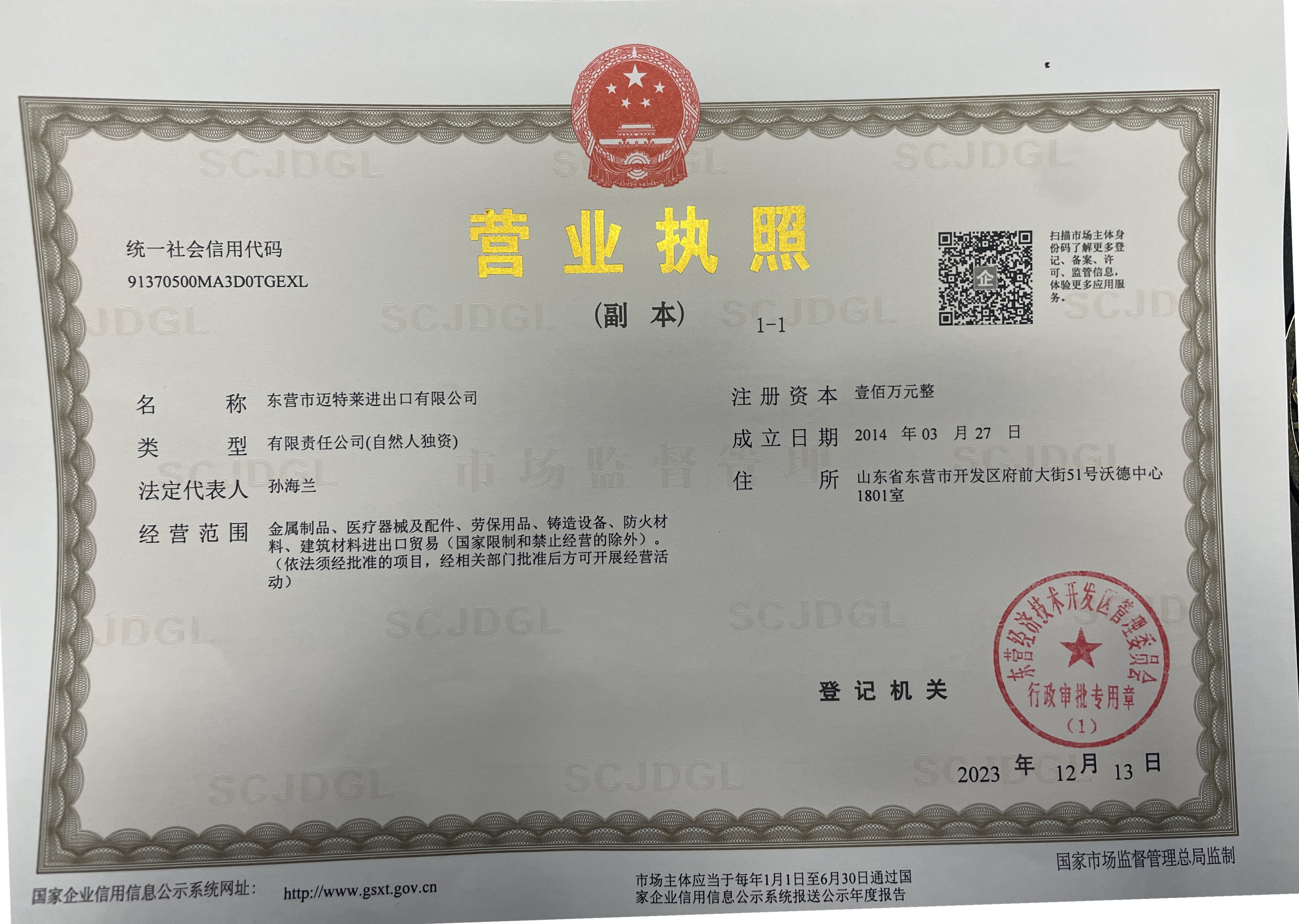

-
About UsMTL has been focusing on investment casting, including not only carbon steel metal components, but also stainless steel products and alloy steel products.

-
-
FactoryMTL has been focusing on investment casting, including not only carbon steel metal components, but also stainless steel products and alloy steel products.
-
NewsMTL has been focusing on investment casting, including not only carbon steel metal components, but also stainless steel products and alloy steel products.
Cost-Effective Solutions: The Economic Benefits of Valve Hardware Castings
Nov 09,2026
Cost-Effective Solutions: The Economic Benefits of Valve Hardware Castings Table of Contents Introduction to Valve Hardware Castings What Are Valve Hardware Castings? Advantages of Valve Hardware Castings Economic Benefits of Using Valve Hardware Castings How Valve Hardware Castings Reduce Production Costs Enhancing Operational Efficiency with Castings Sustainability a
Cost-Effective Solutions: The Economic Benefits of Valve Hardware Castings
Table of Contents
- Introduction to Valve Hardware Castings
- What Are Valve Hardware Castings?
- Advantages of Valve Hardware Castings
- Economic Benefits of Using Valve Hardware Castings
- How Valve Hardware Castings Reduce Production Costs
- Enhancing Operational Efficiency with Castings
- Sustainability and Environmentally-Friendly Practices
- Choosing the Right Materials for Valve Hardware Castings
- The Future of Valve Hardware Castings in Manufacturing
- Conclusion
- FAQs
Introduction to Valve Hardware Castings
Valve hardware castings play a pivotal role in the manufacturing of essential components used across diverse industries, from oil and gas to water treatment. As businesses constantly seek cost-effective solutions to maintain competitiveness, understanding the economic benefits of valve hardware castings becomes crucial. **In this article, we will delve into the significance of valve hardware castings**, exploring their advantages, economic impact, and how they can optimize production processes.
What Are Valve Hardware Castings?
Valve hardware castings are components manufactured through a meticulous casting process, which involves pouring molten metal into a mold to create a specific shape. These castings are designed for various types of valves, including gate, globe, ball, check, and pressure relief valves, among others. **The value of these castings lies in their durability, precision, and ability to withstand high pressures and temperatures**.
Types of Materials Used in Castings
Common materials used in valve hardware castings include:
- **Cast Iron**: Known for its strength and wear resistance.
- **Stainless Steel**: Offers excellent corrosion resistance and durability.
- **Bronze**: Provides high resistance to corrosion and fatigue.
- **Aluminum Alloys**: Lightweight with good mechanical properties.
Understanding which materials to use is vital in achieving optimal performance and longevity in valve applications.
Advantages of Valve Hardware Castings
Valve hardware castings offer numerous advantages that contribute to their popularity in the manufacturing sector.
Durability and Longevity
One of the primary benefits of valve hardware castings is their inherent durability. Cast components are designed to withstand harsh operating conditions, which translates to fewer replacements and repairs over time.
Cost-Effectiveness
Investing in valve hardware castings can lead to significant cost savings. While the initial investment may seem substantial, the long-term savings from reduced maintenance, fewer failures, and lower energy consumption make them a wise choice.
Precision Engineering
**The casting process allows for high precision in manufacturing**, leading to better-fitting parts that enhance the overall performance of the valve systems.
Complex Designs
**Valve hardware castings can accommodate intricate designs**, which are often challenging to achieve with traditional machining methods. This advantage enables manufacturers to innovate and create more efficient valve systems.
Economic Benefits of Using Valve Hardware Castings
The economic implications of valve hardware castings extend far beyond their initial costs. Here's how they contribute to financial efficiency:
Lower Production Costs
By utilizing valve hardware castings, manufacturers can streamline their production processes. The casting process often requires less material than traditional machining methods, thus reducing waste and lowering costs.
Reduced Labor Costs
Casting processes typically require less manual labor compared to machining, resulting in significant savings on labor costs. Automated casting methods can further enhance this efficiency.
Improved Market Competitiveness
**Companies that adopt valve hardware castings can achieve a competitive edge in the market**. By reducing operating costs and improving product quality, businesses can offer better pricing and superior products, attracting more customers.
Minimized Downtime
High-quality valve castings lead to increased reliability and reduced downtime due to failures. This reliability is essential in industries where operational continuity is critical.
How Valve Hardware Castings Reduce Production Costs
The process of manufacturing valve hardware castings inherently supports cost reduction in several ways:
Material Efficiency
The casting process allows for near-net shape manufacturing, which minimizes material waste. This efficiency is particularly important in industries where raw material costs are significant.
Energy Efficiency
**Casting processes can often be conducted at lower temperatures compared to other manufacturing methods**, leading to reduced energy consumption and lower operational costs.
Streamlined Supply Chains
By utilizing local foundries for casting production, manufacturers can shorten supply chains, reducing shipping costs and lead times. This agility is crucial in a fast-paced market.
Enhancing Operational Efficiency with Castings
Operational efficiency is paramount in the manufacturing sector. Valve hardware castings contribute to this goal in various ways:
Quality Control
Casting processes allow for stringent quality control measures, ensuring that each component meets the required specifications. This reliability enhances overall operational efficiency.
Reduced Maintenance Needs
High-quality castings often lead to fewer maintenance needs. With durable materials and precise engineering, businesses can focus on production instead of repairs.
Faster Production Times
Casting can significantly accelerate production times, enabling manufacturers to meet market demands more swiftly than competitors relying on traditional methods.
Sustainability and Environmentally-Friendly Practices
In today's environmentally conscious landscape, sustainability is more crucial than ever. Valve hardware castings can contribute to greener manufacturing practices in several ways:
Recyclability of Materials
Many materials used in valve castings, such as cast iron and aluminum, are recyclable. This recyclability reduces the need for virgin materials and decreases the overall environmental impact.
Lower Carbon Footprint
**By optimizing production processes and reducing material waste**, valve hardware castings can contribute to a lower carbon footprint in manufacturing operations.
Energy-Effective Processes
Innovations in casting technologies, such as the use of induction melting and efficient cooling methods, can further enhance energy efficiency in the manufacturing process.
Choosing the Right Materials for Valve Hardware Castings
Selecting the appropriate materials for valve hardware castings is critical to achieving desired performance and economic benefits. Factors to consider include:
Operating Conditions
Understanding the specific operating conditions, including temperature and pressure, is crucial in selecting the right material to ensure optimal valve function.
Corrosion Resistance
For applications exposed to corrosive environments, materials with high corrosion resistance, such as stainless steel or bronze, should be prioritized.
Cost vs. Performance
While cost is a significant factor, it is essential to balance cost with performance requirements. Investing in higher-quality materials may yield better long-term savings.
The Future of Valve Hardware Castings in Manufacturing
As manufacturing technologies evolve, so do the possibilities for valve hardware castings. Emerging trends include:
3D Printing of Castings
The integration of 3D printing technology into casting processes is revolutionizing the industry. This innovation allows for rapid prototyping and the creation of complex geometries that improve efficiency.
Smart Manufacturing
Incorporating IoT and smart manufacturing techniques can further enhance the efficiency of casting processes, allowing for real-time monitoring and optimization.
Conclusion
In conclusion, valve hardware castings represent a significant opportunity for manufacturers seeking cost-effective solutions to enhance their operations. The economic benefits derived from reduced production costs, improved operational efficiency, and sustainable practices make them a wise investment. As we move forward, embracing innovations in casting technology will be vital in maintaining competitiveness in the manufacturing sector. By recognizing the advantages of valve hardware castings, businesses can position themselves for success in a rapidly evolving industrial landscape.
FAQs
1. What are the primary benefits of valve hardware castings?
The primary benefits include durability, cost-effectiveness, precision engineering, and the ability to create complex designs.
2. How do valve hardware castings contribute to economic efficiency?
They reduce production costs, lower labor expenses, minimize downtime, and enhance product quality, all of which contribute to economic efficiency.
3. What materials are commonly used in valve hardware castings?
Common materials include cast iron, stainless steel, bronze, and aluminum alloys, each offering different advantages depending on the application.
4. How can manufacturers ensure sustainability in valve casting?
Manufacturers can choose recyclable materials, optimize energy efficiency in the casting process, and minimize waste to enhance sustainability.
5. What is the future of valve hardware castings in manufacturing?
The future will likely involve advancements in 3D printing technology and smart manufacturing practices, enhancing efficiency and innovation in valve casting processes.
PREVIOUS:

CONTACT US
Office Add:No. 51 Fuqian St., EDZ, Dongying, Shandong, 257091 China
Plant Add:No. 88 Lingzhihou St., EDZ, Gaomi, Shandong, 261500 China


POPULAR PRODUCTS
CONSULTAR
Copyright : Dongying Maitlai Import and Export Co., Ltd. Powerby : CEGLOBAL | SEO | Privacy agreement