
-
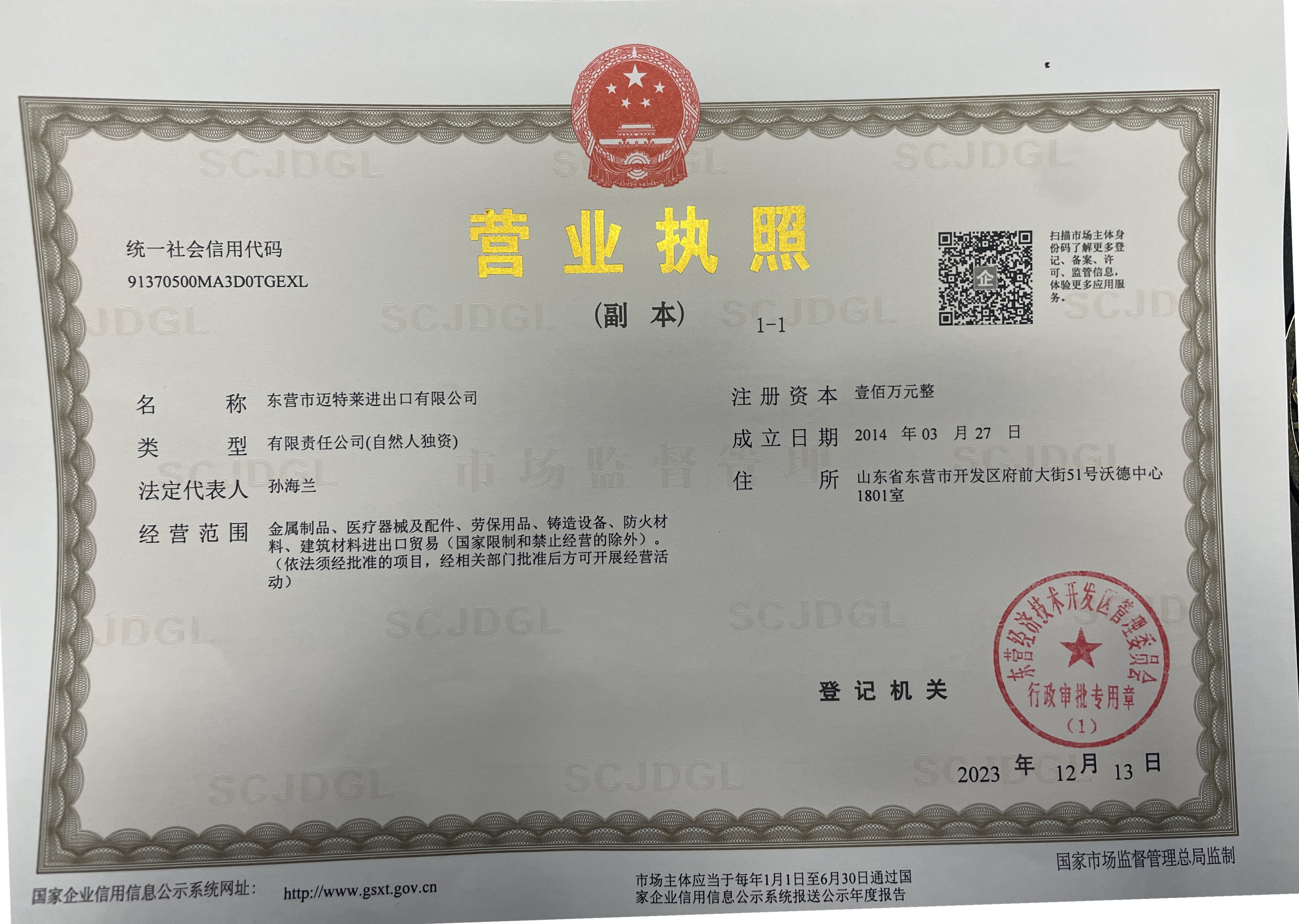
About UsMTL has been focusing on investment casting, including not only carbon steel metal components, but also stainless steel products and alloy steel products.

-
-
FactoryMTL has been focusing on investment casting, including not only carbon steel metal components, but also stainless steel products and alloy steel products.
-
NewsMTL has been focusing on investment casting, including not only carbon steel metal components, but also stainless steel products and alloy steel products.
Understanding Door Hardware Investment Castings: A Comprehensive Guide
Oct 20,2026
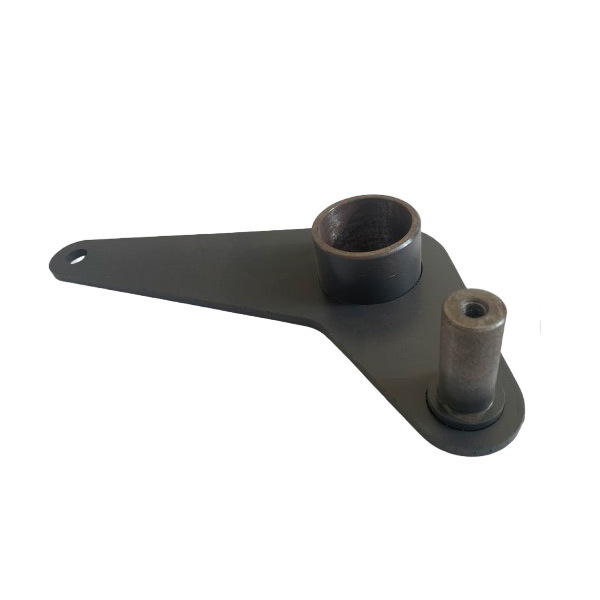
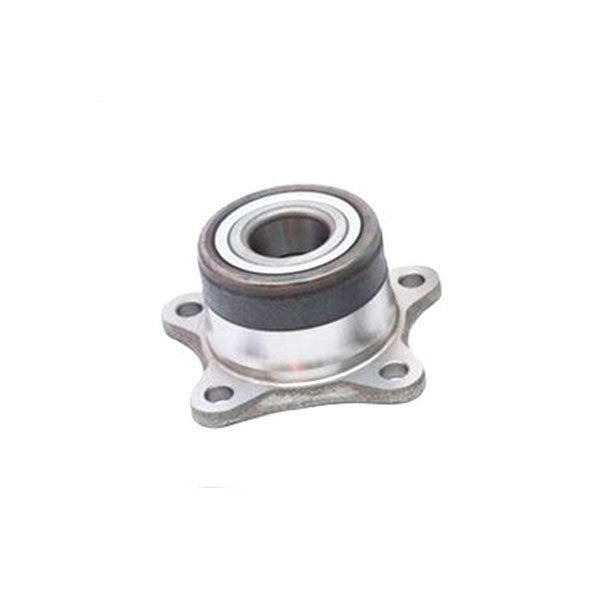
When it comes to door hardware, investment castings represent a sophisticated and effective manufacturing method that has gained significant traction in the industry. Investment casting, also known as lost-wax casting, is a precision technique that allows for the creation of highly intricate and detailed components with excellent dimensional accuracy. This method is especially beneficial for produ
The process begins with creating a wax pattern of the desired door hardware component. The wax is then coated in a ceramic shell, which is heated to eliminate the wax, leaving behind a hollow mold. Molten metal is subsequently poured into this mold, and once cooled, the ceramic shell is removed, revealing the final product. This technique allows for complex shapes and designs, making it an ideal choice for manufacturers looking to offer customized door hardware solutions.
One of the primary advantages of door hardware investment castings is the material versatility. Various metals can be used in the casting process, including stainless steel, brass, and aluminum, each providing distinct properties suited for different applications. For instance, stainless steel is known for its corrosion resistance and strength, making it a popular choice for outdoor settings, while brass offers an elegant finish that adds a touch of luxury to interior designs.
Investment castings also promote sustainability in manufacturing. The process generates minimal waste, as excess metal can often be melted down and reused in future casts. Additionally, the durability of investment-cast door hardware reduces the need for frequent replacements, contributing to long-term sustainability efforts within the industry.
Moreover, the precision of investment castings enhances the overall functionality of door hardware. Components produced through this method typically exhibit better tolerances, ensuring smooth operation and longevity. This is crucial in applications such as locks, hinges, and handles, where even minor discrepancies can lead to malfunction or diminished security.
In summary, door hardware investment castings offer a compelling solution for manufacturers and consumers alike. They combine aesthetic flexibility with structural reliability, making them a preferred choice in the realm of door hardware. As the industry continues to evolve, investment casting will likely play a pivotal role in meeting the demands for quality and innovative designs in the hardware market. Understanding this manufacturing technique allows customers to make informed decisions when selecting durable and stylish door hardware for their needs.
PREVIOUS:
CONTACT US
Office Add:No. 51 Fuqian St., EDZ, Dongying, Shandong, 257091 China
Plant Add:No. 88 Lingzhihou St., EDZ, Gaomi, Shandong, 261500 China


POPULAR PRODUCTS
CONSULTAR
Copyright : Dongying Maitlai Import and Export Co., Ltd. Powerby : CEGLOBAL | SEO | Privacy agreement