
-
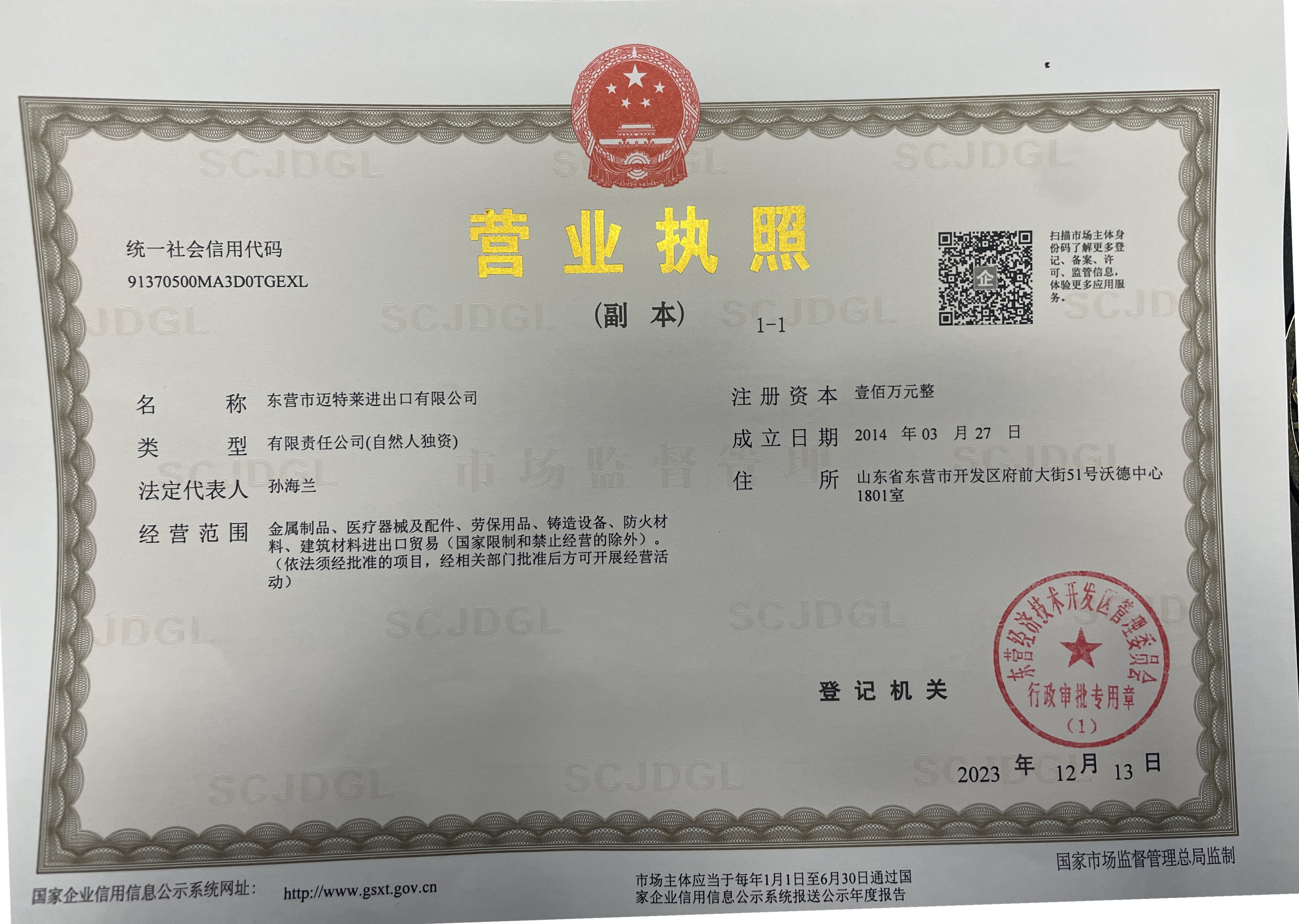
About UsMTL has been focusing on investment casting, including not only carbon steel metal components, but also stainless steel products and alloy steel products.

-
-
FactoryMTL has been focusing on investment casting, including not only carbon steel metal components, but also stainless steel products and alloy steel products.
-
NewsMTL has been focusing on investment casting, including not only carbon steel metal components, but also stainless steel products and alloy steel products.
Understanding Stainless Steel Valve Castings: An Insight into Industrial Applications
Aug 03,2026
Stainless steel valve castings are essential components in the realm of industrial equipment, particularly in the manufacturing of valves and related accessories. These castings are designed to provide durability, corrosion resistance, and strength, making them ideal for use in demanding environments. Understanding the advantages, applications, and production techniques of stainless steel valve ca
One of the primary benefits of stainless steel valve castings is their exceptional resistance to corrosion and oxidation. This characteristic is crucial, especially in industries where valves are exposed to harsh chemicals, extreme temperatures, or varying pressures. The durability of stainless steel means that these components can withstand the rigors of industrial use without deteriorating quickly, leading to reduced maintenance costs and extended service life.
In addition to corrosion resistance, stainless steel valve castings offer excellent mechanical properties, including high tensile strength and toughness. This makes them suitable for critical applications, such as in oil and gas, chemical processing, and water treatment facilities—where reliability and performance are paramount. The ability to withstand high pressure and temperature variations without compromising integrity is a key consideration for engineers and designers when selecting materials for valve manufacturing.
The production process of stainless steel valve castings typically involves the investment casting method, also known as lost-wax casting. This technique allows for intricate designs and precise dimensions, which are essential for ensuring that the valves operate effectively. The process begins with creating a wax model of the valve, which is then coated in a ceramic material to form a mold. Once the mold is formed, the wax is melted away, leaving a cavity that is filled with molten stainless steel. This results in a casting that closely resembles the original design, minimizing the need for extensive machining and reducing waste.
Furthermore, the versatility of stainless steel valve castings allows them to be used in various applications, including ball valves, gate valves, and check valves. Each type of valve serves a specific purpose, and the compatibility of stainless steel with multiple fluids and gases enhances their utility across different sectors.
In conclusion, stainless steel valve castings are integral to the industrial equipment landscape, providing robust and reliable solutions for valve manufacturing. Their resistance to corrosion, combined with their mechanical strength, makes them a preferred choice for professionals in various industries. By understanding the benefits and production processes associated with these castings, industry experts can make more informed decisions that enhance operational efficiency and reliability in their applications.
Overall, investing time in learning about stainless steel valve castings will not only improve your knowledge of industrial components but also aid in making better choices for your business needs.
CONTACT US
Office Add:No. 51 Fuqian St., EDZ, Dongying, Shandong, 257091 China
Plant Add:No. 88 Lingzhihou St., EDZ, Gaomi, Shandong, 261500 China


POPULAR PRODUCTS
CONSULTAR
Copyright : Dongying Maitlai Import and Export Co., Ltd. Powerby : CEGLOBAL | SEO | Privacy agreement