
-
About UsMTL has been focusing on investment casting, including not only carbon steel metal components, but also stainless steel products and alloy steel products.

-
-
FactoryMTL has been focusing on investment casting, including not only carbon steel metal components, but also stainless steel products and alloy steel products.
-
NewsMTL has been focusing on investment casting, including not only carbon steel metal components, but also stainless steel products and alloy steel products.
The Future of Manufacturing: Innovations and Trends in Valve Hardware Casting Technologies
Jul 31,2026
The Future of Manufacturing: Innovations and Trends in Valve Hardware Casting Technologies Manufacturing has evolved significantly over the years, and the valve hardware casting industry is no exception. As we look towards the future, it is crucial to understand the emerging trends and technologies that will shape the landscape of valve manufacturing. In this article, we will explore the latest in
The Future of Manufacturing: Innovations and Trends in Valve Hardware Casting Technologies
Manufacturing has evolved significantly over the years, and the valve hardware casting industry is no exception. As we look towards the future, it is crucial to understand the emerging trends and technologies that will shape the landscape of valve manufacturing. In this article, we will explore the latest innovations in **valve hardware casting technologies**, examining how they optimize production processes, enhance quality, and contribute to sustainability.
Table of Contents
1. Introduction to Valve Hardware Casting
2. Current State of Valve Hardware Casting Technologies
3. Emerging Trends in Valve Hardware Casting
- 3.1 The Rise of Automation in Manufacturing
- 3.2 Additive Manufacturing: A Game Changer
- 3.3 Sustainability in Casting Processes
4. Technological Advancements in Casting Techniques
5. Quality Control in Valve Hardware Manufacturing
6. The Impact of Industry 4.0 on Manufacturing
7. The Future Outlook for Valve Hardware Casting
8. Conclusion
9. Frequently Asked Questions
Introduction to Valve Hardware Casting
Valve hardware casting is a fundamental process in the manufacturing of various industrial components, particularly in sectors such as oil and gas, automotive, and water management. This process involves creating valve bodies and parts through casting methods, which provide excellent dimensional accuracy and surface finish. As industries demand more efficient, precise, and sustainable solutions, manufacturers are increasingly turning to innovative casting technologies.
Current State of Valve Hardware Casting Technologies
Today’s valve hardware casting landscape is marked by a blend of traditional techniques and modern innovations. Companies are leveraging **computer-aided design (CAD)** software to enhance design accuracy and optimize mold creation. Current methodologies include sand casting, investment casting, and die casting, each offering unique advantages depending on the application.
While traditional processes remain widely used, there is a pressing need for manufacturers to adapt to the changing demands of the market. Factors such as economic pressures, labor shortages, and environmental regulations are driving the industry towards more innovative and efficient practices.
Emerging Trends in Valve Hardware Casting
As we advance into a new era of manufacturing, several key trends are reshaping the valve hardware casting sector.
The Rise of Automation in Manufacturing
Automation is revolutionizing the manufacturing process, particularly in valve hardware casting. By incorporating robotics and automated systems, manufacturers can significantly enhance production efficiency and accuracy. Automated casting systems reduce human error, improve safety, and increase throughput.
Moreover, automation allows for more flexible manufacturing setups, enabling companies to quickly adapt to changing demands without significant downtime. As technology continues to improve, we can expect to see more sophisticated automated systems being integrated into casting operations.
Additive Manufacturing: A Game Changer
Additive manufacturing, commonly known as 3D printing, is transforming the way valve components are designed and produced. This technology allows for the creation of complex geometries that were previously impossible to achieve through traditional casting methods.
By using 3D printing for prototype development and even production parts, manufacturers can significantly reduce lead times and costs. Additionally, additive manufacturing can optimize material usage, leading to less waste and a more sustainable manufacturing process.
Sustainability in Casting Processes
With increasing awareness of environmental issues, sustainability has become a focal point in manufacturing. Valve hardware casting companies are actively seeking ways to minimize their environmental footprint. This includes reducing energy consumption during casting processes, utilizing eco-friendly materials, and implementing recycling programs for scrap metal.
Sustainable practices not only benefit the environment but also enhance a company’s reputation, making them more appealing to consumers and clients who prioritize eco-conscious operations.
Technological Advancements in Casting Techniques
Technological advancements are continually enhancing casting techniques. Techniques such as **lost foam casting** and **shell molding** are gaining traction due to their ability to produce high-precision components with minimal machining. These methods reduce material waste and improve overall efficiency.
Furthermore, the integration of simulation software allows manufacturers to predict and solve potential casting defects before they occur. This proactive approach to quality assurance results in higher-quality products and lower rework rates.
Quality Control in Valve Hardware Manufacturing
Quality control remains a critical component of valve hardware casting. As the industry moves towards greater automation and advanced manufacturing technologies, the importance of precision and reliability cannot be overstated. Implementing rigorous quality control measures, including real-time monitoring and inspection techniques, ensures that products meet industry standards and customer expectations.
Incorporating advanced technologies such as **machine learning** and **AI** can enhance quality control by providing insights into production processes, identifying anomalies, and predicting potential failures. This data-driven approach allows for continuous improvement and optimization of manufacturing practices.
The Impact of Industry 4.0 on Manufacturing
Industry 4.0 embodies the integration of digital technology into manufacturing. For valve hardware casting, this means a more interconnected and intelligent production environment. The use of IoT (Internet of Things) devices enables real-time data collection and analysis, driving informed decision-making.
By utilizing smart manufacturing technologies, companies can achieve greater operational efficiency, enhanced customization, and improved supply chain management. The result is a more agile and responsive manufacturing process that can adapt to customer demands with greater ease.
The Future Outlook for Valve Hardware Casting
Looking ahead, the future of valve hardware casting appears promising, driven by continued advancements in technology and a growing emphasis on sustainability. As industries evolve, manufacturers must remain proactive in adopting new methods and practices to stay competitive.
The integration of digital technologies, automation, and sustainable practices will likely define successful businesses in the coming years. Those that invest in innovative solutions and prioritize quality and efficiency will lead the way in shaping the future of manufacturing.
Conclusion
The valve hardware casting industry is on the brink of transformation, fueled by technological advancements and a shift towards sustainable practices. As we explore the emerging trends, it is evident that the integration of automation, additive manufacturing, and Industry 4.0 will redefine how we approach valve production. By embracing these changes, manufacturers can ensure they remain competitive in an ever-evolving market.
As we look to the future, it is crucial for companies to invest in innovative technologies and sustainable methods that enhance efficiency, quality, and environmental consciousness. By doing so, they will not only meet the demands of today's market but also pave the way for a more sustainable and successful future in manufacturing.
Frequently Asked Questions
1. What is valve hardware casting?
Valve hardware casting is a manufacturing process that involves creating valve components by pouring molten metal into a mold, allowing it to solidify into the desired shape.
2. What are the different methods of casting used in valve manufacturing?
Common casting methods include sand casting, investment casting, and die casting, each offering unique benefits depending on the specific requirements of the component.
3. How does automation impact valve hardware casting?
Automation enhances production efficiency, reduces human error, and allows for flexible manufacturing setups, enabling quicker adjustments to meet changing demands.
4. What role does sustainability play in casting technologies?
Sustainability in casting involves minimizing energy consumption, utilizing eco-friendly materials, and implementing recycling programs, contributing to a reduced environmental footprint.
5. How is additive manufacturing changing the valve casting industry?
Additive manufacturing allows for the creation of complex designs that traditional casting cannot achieve, reducing lead times and material waste, ultimately leading to more efficient production processes.

CONTACT US
Office Add:No. 51 Fuqian St., EDZ, Dongying, Shandong, 257091 China
Plant Add:No. 88 Lingzhihou St., EDZ, Gaomi, Shandong, 261500 China


POPULAR PRODUCTS
CONSULTAR
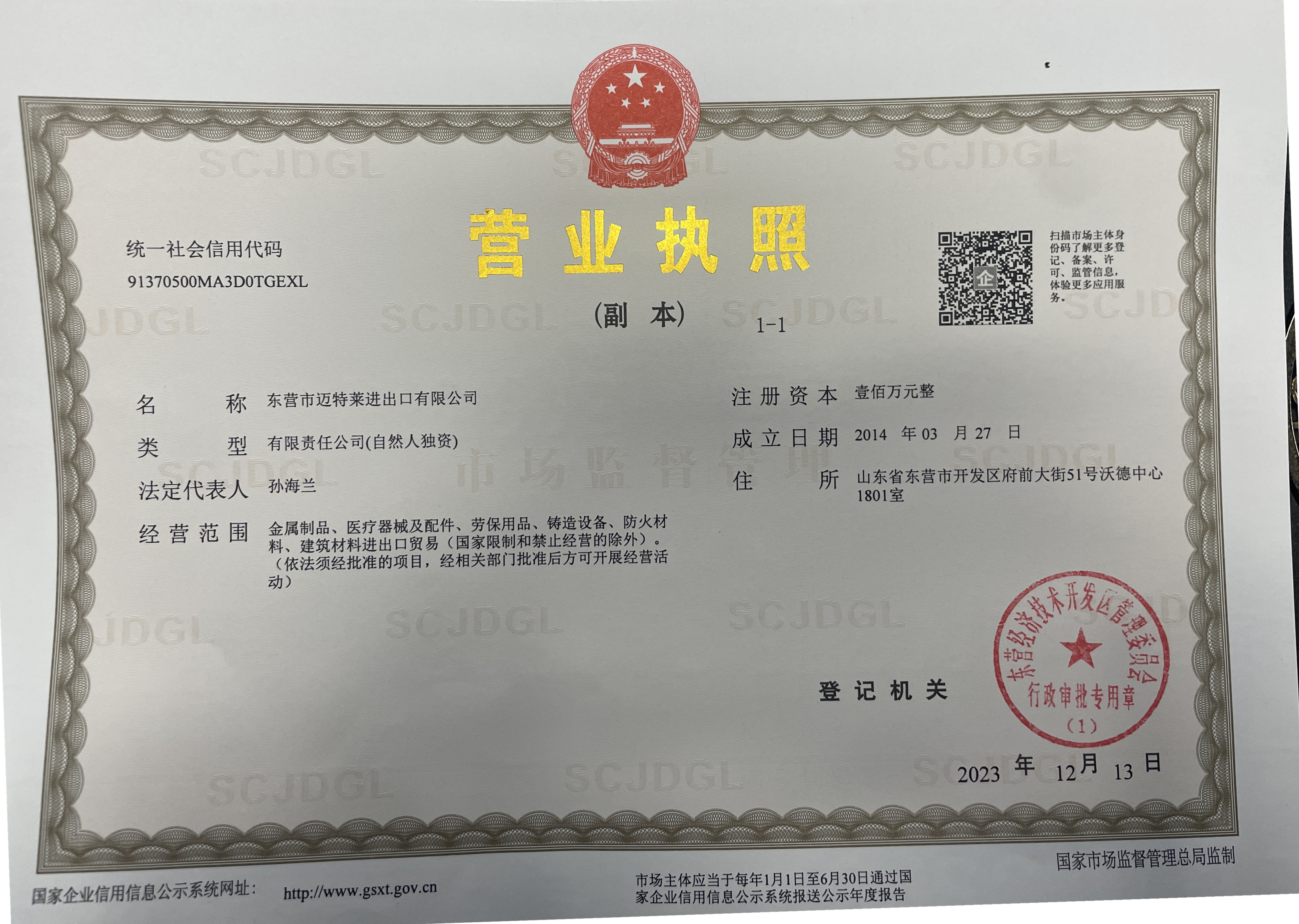
Copyright : Dongying Maitlai Import and Export Co., Ltd. Powerby : CEGLOBAL | SEO | Privacy agreement