
-
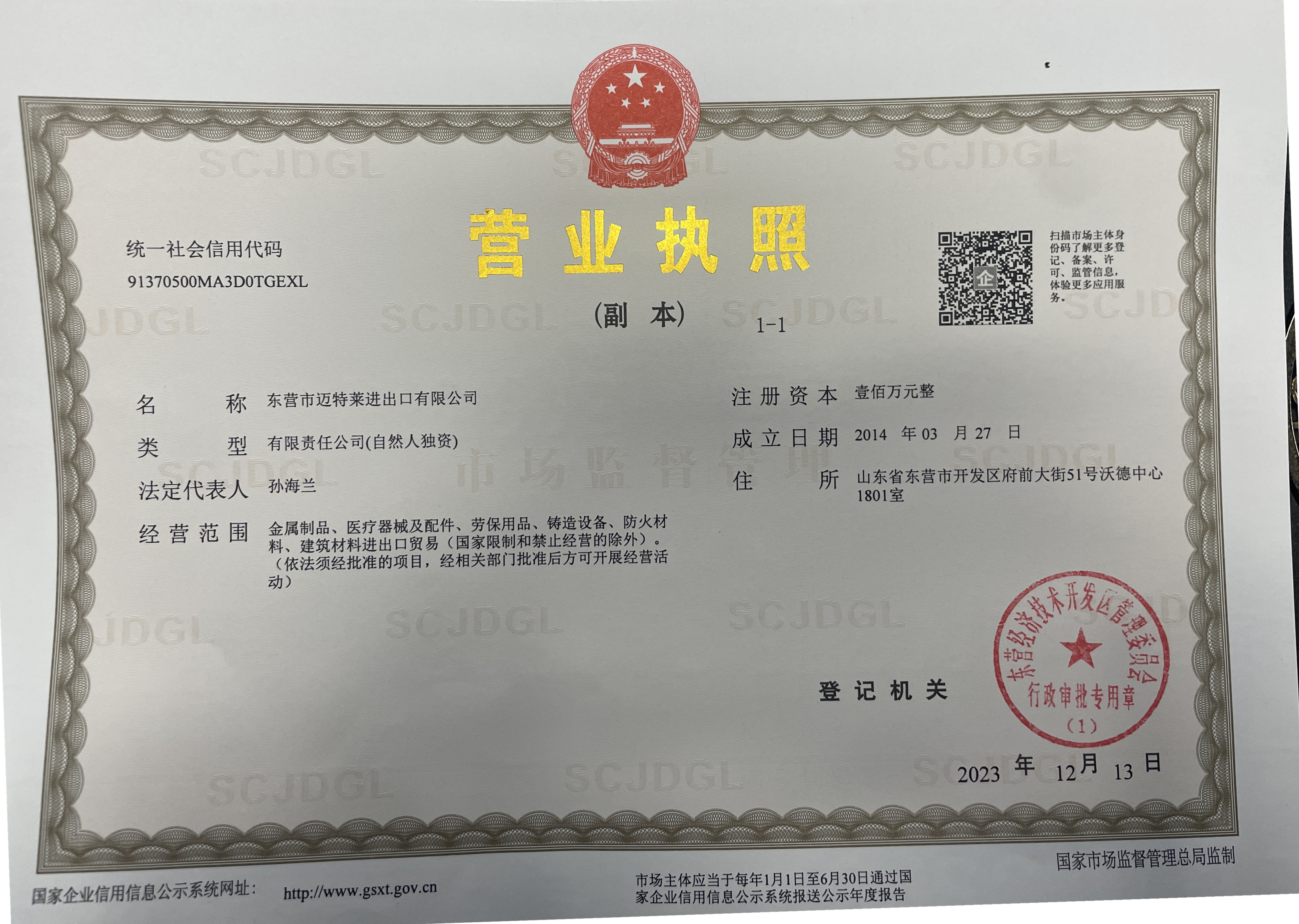
About UsMTL has been focusing on investment casting, including not only carbon steel metal components, but also stainless steel products and alloy steel products.

-
-
FactoryMTL has been focusing on investment casting, including not only carbon steel metal components, but also stainless steel products and alloy steel products.
-
NewsMTL has been focusing on investment casting, including not only carbon steel metal components, but also stainless steel products and alloy steel products.
Understanding Mechanical Hardware Castings: Insights for Professionals in Manufacturing
Jul 22,2026
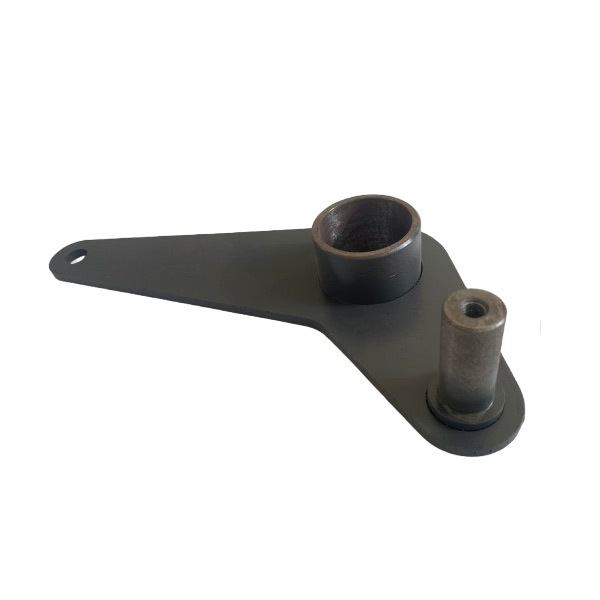
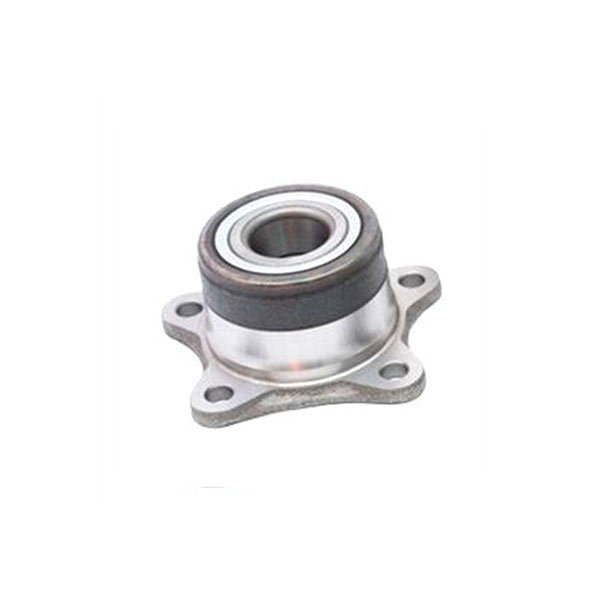
Mechanical hardware castings are integral to various manufacturing processes, especially in the sectors of machining and die-casting. These castings are produced through the process of pouring molten metal into a mold where it solidifies into the desired shape. This technique offers significant advantages, including the ability to create complex geometries that would be challenging or impossible t
The selection of materials for mechanical hardware castings plays a crucial role in determining the performance and durability of the final product. Common materials used in the casting process include aluminum, iron, and various alloys, each possessing unique properties that make them suitable for specific applications. For instance, aluminum castings are known for their lightweight and corrosion resistance, making them ideal for automotive and aerospace applications. On the other hand, iron castings, especially gray and ductile iron, are favored for their strength and wear resistance in heavy-duty machinery.
One of the key benefits of mechanical hardware castings is the cost-effectiveness they provide, particularly for large-scale production. The casting process allows for the mass production of intricate parts, reducing the time and labor required compared to machining from solid blocks of material. Furthermore, advancements in technology, such as computer-aided design (CAD) and simulation software, have enhanced the precision and efficiency of the casting process, minimizing defects and optimizing material usage.
Quality control is another vital aspect of mechanical hardware castings. Manufacturers must implement strict quality assurance protocols to ensure that the castings meet the required specifications and standards. This often involves non-destructive testing methods, such as ultrasonic testing or radiographic inspections, to identify any imperfections that could compromise the integrity of the final product.
In addition to traditional applications, the rise of additive manufacturing and 3D printing technologies is beginning to influence the world of mechanical hardware castings. These innovations allow for rapid prototyping and the production of complex components that may use traditional casting methods. As the industry evolves, professionals in manufacturing must stay informed about these trends and consider how they can integrate new technologies into their processes.
In conclusion, mechanical hardware castings are a fundamental component in the manufacturing sector, offering a blend of efficiency, cost-effectiveness, and design flexibility. By understanding the materials, processes, and innovations involved, professionals can optimize their operations and stay competitive in this ever-evolving industry.
CONTACT US
Office Add:No. 51 Fuqian St., EDZ, Dongying, Shandong, 257091 China
Plant Add:No. 88 Lingzhihou St., EDZ, Gaomi, Shandong, 261500 China


POPULAR PRODUCTS
CONSULTAR
Copyright : Dongying Maitlai Import and Export Co., Ltd. Powerby : CEGLOBAL | SEO | Privacy agreement