
-
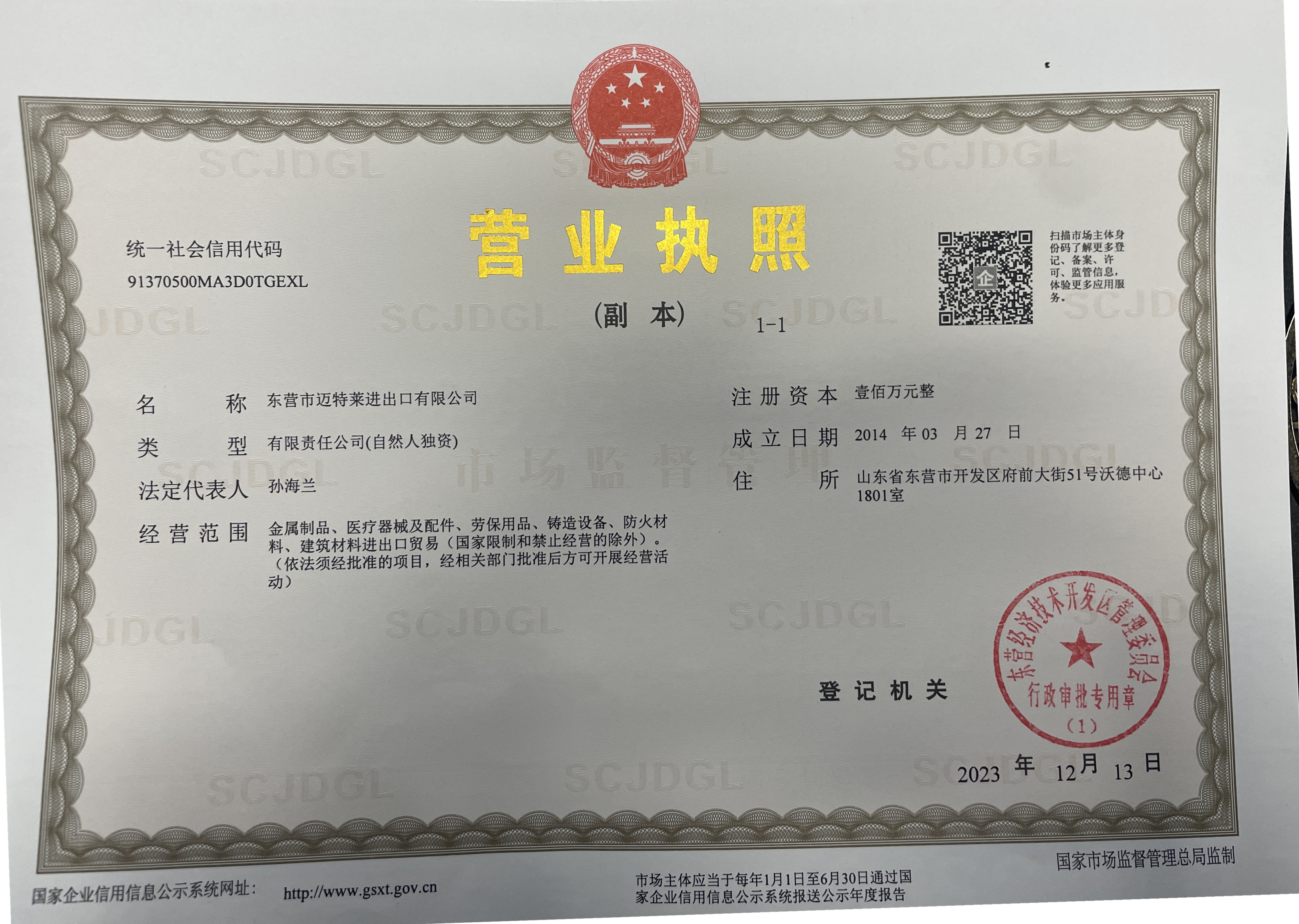
About UsMTL has been focusing on investment casting, including not only carbon steel metal components, but also stainless steel products and alloy steel products.

-
-
FactoryMTL has been focusing on investment casting, including not only carbon steel metal components, but also stainless steel products and alloy steel products.
-
NewsMTL has been focusing on investment casting, including not only carbon steel metal components, but also stainless steel products and alloy steel products.
10 Key Advantages of Using Automotive Investment Castings
Jul 25,2026
10 Key Advantages of Using Automotive Investment Castings Introduction to Automotive Investment Castings Automotive investment castings have become an essential component in modern manufacturing processes. This method allows for the creation of high-precision, complex shapes that meet the demands of today’s automotive industry. Made from a variety of metals, including aluminum, steel, and titanium
10 Key Advantages of Using Automotive Investment Castings
Introduction to Automotive Investment Castings
Automotive investment castings have become an essential component in modern manufacturing processes. This method allows for the creation of high-precision, complex shapes that meet the demands of today’s automotive industry. Made from a variety of metals, including aluminum, steel, and titanium, investment castings are known for their durability and excellent mechanical properties. In this article, we’ll explore the **10 key advantages** of using automotive investment castings, highlighting their benefits in terms of efficiency, quality, and overall production costs.
Table of Contents
1. Enhanced Precision and Quality Control
2. Cost-Effectiveness in High-Volume Production
3. Complex Geometries and Design Flexibility
4. Material Versatility and Optimal Performance
5. Reduced Waste and Eco-Friendly Manufacturing
6. Improved Mechanical Properties of Castings
7. Streamlined Manufacturing Processes
8. Faster Time to Market
9. Superior Surface Finish
10. Increased Reliability and Durability
11. Frequently Asked Questions
12. Conclusion
1. Enhanced Precision and Quality Control
One of the foremost advantages of automotive investment castings is their **enhanced precision**. This manufacturing technique allows for the production of parts that are incredibly detailed and consistent in dimensions. The process involves creating a wax pattern, which is then coated with a ceramic material to form a shell. Once the shell is hardened, the wax is melted away, leaving behind a mold for the molten metal. This meticulous process results in high tolerances and minimizes the need for secondary machining operations, ensuring that components meet stringent quality standards.
2. Cost-Effectiveness in High-Volume Production
Investment casting is particularly advantageous for **high-volume production** runs. The initial setup cost for creating molds and patterns can be substantial; however, when producing large quantities, the cost per unit decreases significantly. This economic efficiency makes investment castings a preferred choice for manufacturers aiming to balance quality with affordability. The ability to produce multiple parts simultaneously reduces labor costs, further enhancing profitability in mass production scenarios.
3. Complex Geometries and Design Flexibility
Automotive parts often require intricate designs that would be challenging or impossible to achieve with traditional manufacturing methods. Investment casting excels in producing **complex geometries**, allowing engineers to create parts with varying thicknesses, internal cavities, and elaborate designs. This flexibility not only aids in design creativity but also leads to innovations in component functionality and integration within larger systems.
4. Material Versatility and Optimal Performance
Investment casting accommodates a wide variety of materials, including carbon steel, stainless steel, and various alloys. This **material versatility** allows manufacturers to choose the optimal material for each application, based on factors such as strength, corrosion resistance, and weight. Utilizing the right material enhances the performance and lifespan of automotive components, contributing to overall vehicle reliability.
5. Reduced Waste and Eco-Friendly Manufacturing
The investment casting process is characterized by **minimal waste generation**. Since the process allows for precise control over the amount of metal used, manufacturers can significantly reduce scrap material. Additionally, advancements in technology have made it possible to recycle materials effectively, further promoting environmentally friendly practices. By choosing investment casting, companies can align themselves with sustainable manufacturing principles, appealing to eco-conscious consumers.
6. Improved Mechanical Properties of Castings
The mechanical properties of investment castings are often superior compared to those produced by other methods. The controlled cooling process during casting leads to a refined microstructure, resulting in improved **tensile strength, ductility, and hardness**. These enhanced properties are crucial for automotive applications, where components must endure extreme conditions and stresses.
7. Streamlined Manufacturing Processes
Investment casting can significantly **streamline the manufacturing process** by consolidating multiple components into a single casting. This not only simplifies assembly but also reduces the number of parts needed, which can cut lead times and labor costs. By minimizing the complexity of assembly procedures, manufacturers can achieve better overall efficiency in production.
8. Faster Time to Market
In the competitive automotive industry, getting products to market quickly is essential. Investment casting allows for a **faster time to market** due to its efficient manufacturing processes and the ability to rapidly create prototypes. This speed can be a decisive factor for companies striving to stay ahead of competitors, as they can introduce new designs and innovations more swiftly.
9. Superior Surface Finish
The quality of the surface finish is a significant consideration for automotive components, both for aesthetic and functional reasons. Investment casting produces parts with a **superior surface finish**, often eliminating the need for extensive post-processing. The fine detail achievable in the casting process provides a smooth finish that enhances the appearance of the final product while also contributing to better performance through reduced friction and wear.
10. Increased Reliability and Durability
Durability is paramount in automotive applications, where components are exposed to harsh conditions. The **increased reliability and durability** of parts produced through investment casting ensures that they can withstand rigorous use over time. This reliability leads to less frequent replacements and repairs, ultimately contributing to lower maintenance costs for consumers and manufacturers alike.
Frequently Asked Questions
1. What industries benefit from automotive investment castings?
Automotive investment castings are primarily utilized in the automotive industry but also find applications in aerospace, defense, and industrial machinery due to their precision and durability.
2. How do investment castings compare to traditional casting methods?
Investment castings offer higher precision and better surface finish compared to traditional casting methods. They also reduce waste and accommodate more complex designs.
3. Are investment castings more expensive than other manufacturing methods?
While the initial setup costs can be higher, the long-term cost-effectiveness in high-volume production often makes investment castings more economical than other methods.
4. What materials are commonly used in automotive investment castings?
Common materials include aluminum alloys, carbon steels, stainless steels, and high-performance alloys, chosen based on specific application requirements.
5. How does investment casting contribute to sustainability in manufacturing?
Investment casting generates less waste, allows for material recycling, and optimizes the use of resources, making it a more sustainable manufacturing option.
Conclusion
In conclusion, automotive investment castings offer a multitude of benefits that make them a preferred choice in the manufacturing of automotive components. From enhanced precision and cost-effectiveness to improved mechanical properties and reduced waste, the advantages are substantial. By understanding these key benefits, manufacturers can make informed decisions that lead to improved product quality, operational efficiency, and overall competitiveness in the market. Investing in automotive investment castings not only supports innovation but also aligns with sustainable practices crucial for the future of the industry.
CONTACT US
Office Add:No. 51 Fuqian St., EDZ, Dongying, Shandong, 257091 China
Plant Add:No. 88 Lingzhihou St., EDZ, Gaomi, Shandong, 261500 China


POPULAR PRODUCTS
CONSULTAR
Copyright : Dongying Maitlai Import and Export Co., Ltd. Powerby : CEGLOBAL | SEO | Privacy agreement