-
About UsMTL has been focusing on investment casting, including not only carbon steel metal components, but also stainless steel products and alloy steel products.

-
-
FactoryMTL has been focusing on investment casting, including not only carbon steel metal components, but also stainless steel products and alloy steel products.
-
NewsMTL has been focusing on investment casting, including not only carbon steel metal components, but also stainless steel products and alloy steel products.
Exploring the World of Valve Hardware Castings: A Key Component in Machinery Manufacturing
Jul 10,2026
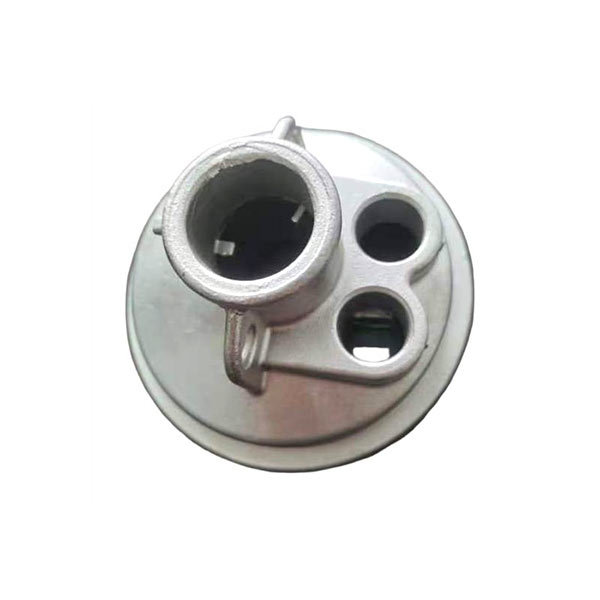
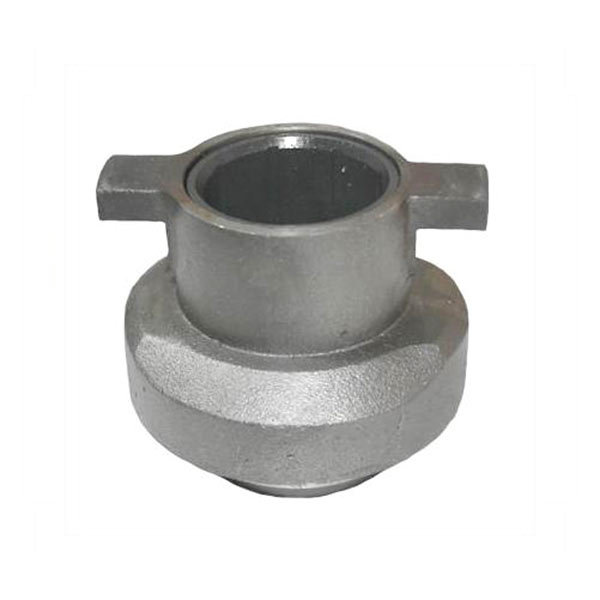
Valve hardware castings play a crucial role in the manufacturing and machining of mechanical hardware, especially within the realms of casting and forging. These castings serve as foundational components in various machinery, contributing to the operational efficiency and performance of a wide array of systems. Understanding valve hardware castings is essential for professionals in the industry, a
At its core, valve hardware casting involves shaping molten metal into specific forms that are essential for valve production. This process requires precision and expertise, as the castings must meet stringent specifications to ensure reliable functionality in their intended applications. Common materials used in valve hardware castings include various grades of cast iron, aluminum, and bronze, chosen for their durability, strength, and resistance to corrosion.
One of the primary advantages of using castings in valve manufacturing is the ability to create complex shapes that would be difficult or impossible to produce using machining alone. This capability not only reduces material waste but also minimizes the need for extensive machining processes, ultimately lowering production costs and time. Additionally, castings can provide excellent dimensional stability, which is vital for maintaining the integrity and performance of the final product.
Moreover, valve hardware castings are integral to a variety of industries, including oil and gas, water treatment, and power generation. Each of these sectors demands high-quality, reliable components that can withstand harsh operating conditions. Therefore, manufacturers must adhere to strict quality control measures throughout the casting process to ensure that the finished products meet industry standards and customer requirements.
In recent years, advancements in casting technologies have further improved the production of valve hardware castings. Techniques such as computer-aided design (CAD) and computer numerically controlled (CNC) machining allow for greater accuracy and repeatability, enhancing the overall quality of the castings. Furthermore, the adoption of environmentally friendly practices in the casting process is becoming increasingly important, as manufacturers seek to reduce their environmental impact.
In conclusion, valve hardware castings are indispensable components within the machinery manufacturing sector. Their unique characteristics and benefits make them essential for producing reliable and efficient valves across various applications. Understanding the intricacies of valve hardware castings not only aids in optimizing production processes but also enhances the overall performance of the equipment they are designed for, solidifying their role in the ever-evolving landscape of manufacturing.
CONTACT US
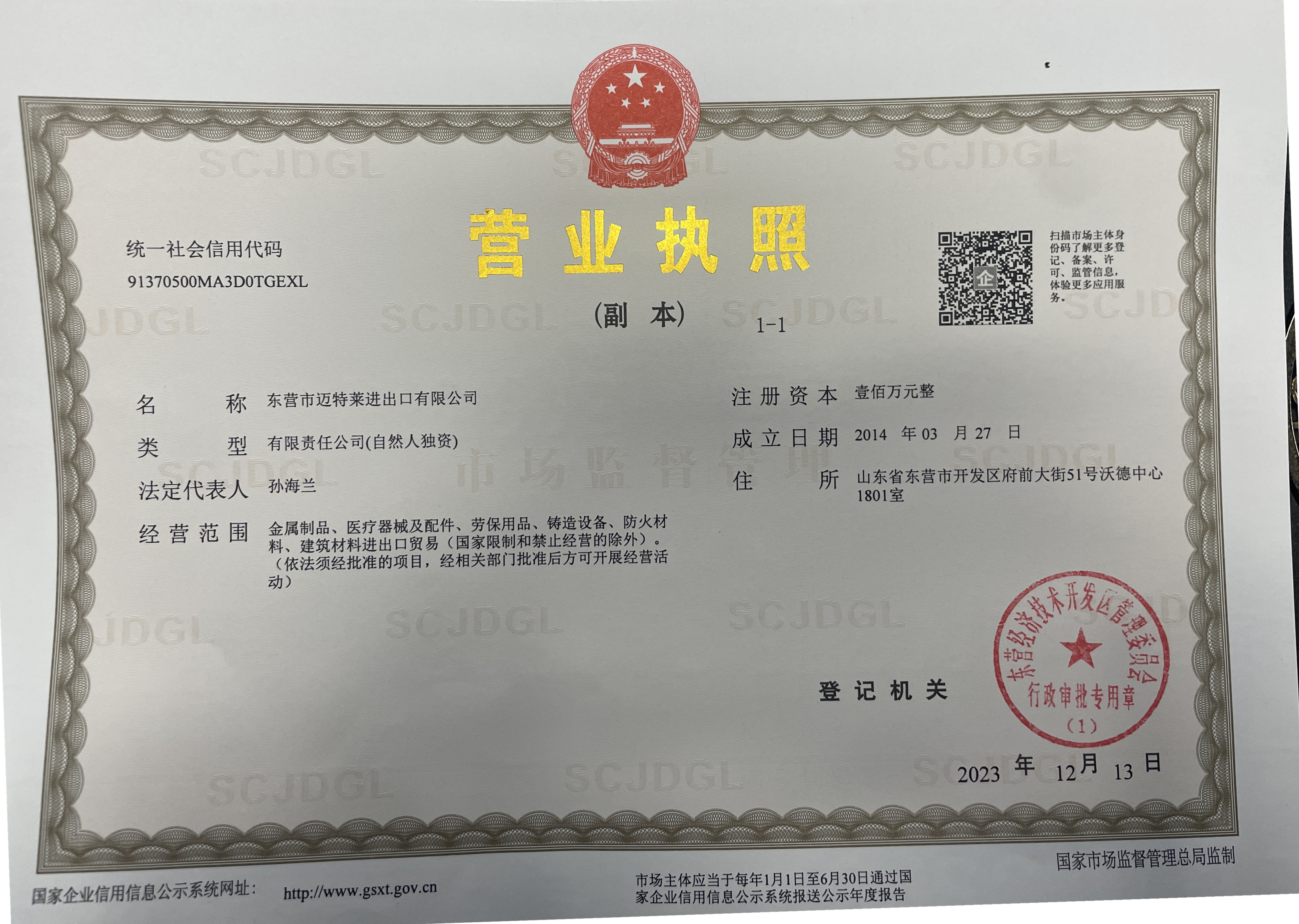
Office Add:No. 51 Fuqian St., EDZ, Dongying, Shandong, 257091 China
Plant Add:No. 88 Lingzhihou St., EDZ, Gaomi, Shandong, 261500 China


POPULAR PRODUCTS
CONSULTAR
Copyright : Dongying Maitlai Import and Export Co., Ltd. Powerby : CEGLOBAL | SEO | Privacy agreement