
-
About UsMTL has been focusing on investment casting, including not only carbon steel metal components, but also stainless steel products and alloy steel products.

-
-
FactoryMTL has been focusing on investment casting, including not only carbon steel metal components, but also stainless steel products and alloy steel products.
-
NewsMTL has been focusing on investment casting, including not only carbon steel metal components, but also stainless steel products and alloy steel products.
How to Select the Right Stainless Steel Valve Castings for Your Needs
Oct 05,2026
How to Select the Right Stainless Steel Valve Castings for Your Needs Table of Contents Introduction to Stainless Steel Valve Castings Understanding Different Types of Stainless Steel Valves Key Considerations for Selecting Stainless Steel Valve Castings The Importance of Material Specifications Common Applications of Stainless Steel Valve Castings How to Evaluate Manufacturer Quality
How to Select the Right Stainless Steel Valve Castings for Your Needs
Table of Contents
- Introduction to Stainless Steel Valve Castings
- Understanding Different Types of Stainless Steel Valves
- Key Considerations for Selecting Stainless Steel Valve Castings
- The Importance of Material Specifications
- Common Applications of Stainless Steel Valve Castings
- How to Evaluate Manufacturer Quality
- Cost Considerations for Stainless Steel Valve Castings
- FAQs about Stainless Steel Valve Castings
- Conclusion
Introduction to Stainless Steel Valve Castings
When it comes to industrial applications, selecting the right components is crucial for ensuring system efficiency and reliability. **Stainless steel valve castings** are essential elements in various industries due to their corrosion resistance, durability, and strength. Understanding how to choose the right castings can significantly impact the performance and longevity of your systems.
Understanding Different Types of Stainless Steel Valves
Stainless steel valves come in several varieties, each designed for specific applications. The most common types include:
Gate Valves
Gate valves are used primarily for on/off control of fluid flow. They are not ideal for throttling, thus making them suitable for applications where full flow is required.
Ball Valves
Ball valves are widely recognized for their excellent sealing capabilities and ease of operation. They can handle high-pressure applications and provide quick shut-off.
Globe Valves
Globe valves are known for their throttling capabilities. They provide precise control over flow rates and are ideal for regulating fluid flow.
Check Valves
Check valves allow fluid to flow in one direction, preventing backflow. They are critical in systems where backpressure could cause damage.
Each valve type has distinct operational characteristics, making it essential to select the right one based on your specific needs.
Key Considerations for Selecting Stainless Steel Valve Castings
Choosing the right stainless steel valve castings involves several critical factors. Here’s a breakdown to guide your selection process:
1. Application Requirements
Identify the specific application where the valve will be used. Factors such as temperature, pressure, and the type of fluid (liquid or gas) play a significant role in the selection process.
2. Material Composition
Different grades of stainless steel, such as 304, 316, and 321, offer varying levels of corrosion resistance and strength. For example, 316 stainless steel is often used in marine applications due to its superior resistance to chlorides.
3. Size and Connection Type
Ensure that the valve size matches the piping system specifications. Additionally, consider the connection type (flanged, threaded, or welded) to ensure compatibility with existing systems.
4. Flow Characteristics
Evaluate the flow characteristics of the valve to ensure optimal performance. Each valve type has unique flow paths and restrictions that can affect overall efficiency.
5. Maintenance and Longevity
Consider how much maintenance the valve will require over its lifespan. Choosing a valve that minimizes maintenance needs can result in lower operational costs.
The Importance of Material Specifications
Material specifications are vital in determining the durability and performance of stainless steel valve castings. Selecting the right material involves understanding:
Grade Selection
The grade of stainless steel affects corrosion resistance, strength, and overall performance. For harsh environments, opt for higher grades like 316 or duplex stainless steel.
Manufacturing Standards
Ensure the manufacturer adheres to industry standards such as ASTM or ASME. These standards guarantee the material's integrity and performance in demanding applications.
Common Applications of Stainless Steel Valve Castings
Stainless steel valve castings are utilized across various industries due to their versatility. Some common applications include:
1. Oil and Gas Industry
Stainless steel valves are critical in managing the flow of oil and gas, ensuring safety and efficiency in extraction and transportation.
2. Chemical Processing
In chemical plants, stainless steel valves handle corrosive substances, making corrosion resistance a priority in selection.
3. Water Treatment Facilities
These facilities require reliable valve systems to manage the flow of water and various treatments, ensuring safe delivery to consumers.
4. Food and Beverage Industry
Stainless steel valves are essential for maintaining hygiene and safety in food processing systems, where contaminants must be avoided.
How to Evaluate Manufacturer Quality
Choosing a reputable manufacturer is crucial for acquiring high-quality stainless steel valve castings. Consider the following criteria:
1. Industry Experience
Manufacturers with extensive experience typically have a proven track record of delivering reliable products.
2. Certifications and Compliance
Verify that the manufacturer holds relevant certifications, such as ISO 9001, which indicate adherence to quality management standards.
3. Customer Reviews and Testimonials
Research customer feedback to gauge the manufacturer’s reputation and the performance of their products in real-world applications.
Cost Considerations for Stainless Steel Valve Castings
Cost is a significant factor when selecting stainless steel valve castings. However, it’s essential to balance cost with quality and performance. Here are key aspects to consider:
1. Initial Investment vs. Long-Term Savings
While high-quality valves may require a higher initial investment, they can lead to long-term savings through reduced maintenance and increased efficiency.
2. Lifecycle Costs
Calculate the total lifecycle costs, including installation, maintenance, and potential replacement, to make a more informed financial decision.
FAQs about Stainless Steel Valve Castings
1. What are the most common grades of stainless steel used for valve castings?
The most commonly used grades include 304 and 316 stainless steel, with 316 being preferred for applications requiring higher corrosion resistance.
2. How do I determine the right size of valve for my system?
The right valve size should match the diameter of your piping system, and flow requirements should be considered for optimal performance.
3. Can stainless steel valves be used in high-pressure applications?
Yes, stainless steel valves are often designed for high-pressure environments, but it's crucial to choose the right type and grade for your specific application.
4. What maintenance do stainless steel valves require?
Regular inspections for wear and tear, as well as cleaning to prevent buildup, are essential for maintaining the longevity of stainless steel valves.
5. Are there any limitations to using stainless steel valves?
While stainless steel offers excellent corrosion resistance, it may not be suitable for extreme temperatures or highly acidic environments without proper grade selection.
Conclusion
Selecting the right stainless steel valve castings requires careful consideration of various factors, including application requirements, material specifications, and manufacturer quality. Understanding the different types of valves available and their specific characteristics will help ensure optimal performance and longevity in your systems. By prioritizing quality and adherence to industry standards, you can make informed decisions that lead to successful operational outcomes. Whether you are working in the oil and gas industry, chemical processing, or any other sector, the right valve selection will ultimately contribute to your efficiency and effectiveness.
PREVIOUS:

CONTACT US
Office Add:No. 51 Fuqian St., EDZ, Dongying, Shandong, 257091 China
Plant Add:No. 88 Lingzhihou St., EDZ, Gaomi, Shandong, 261500 China


POPULAR PRODUCTS
CONSULTAR
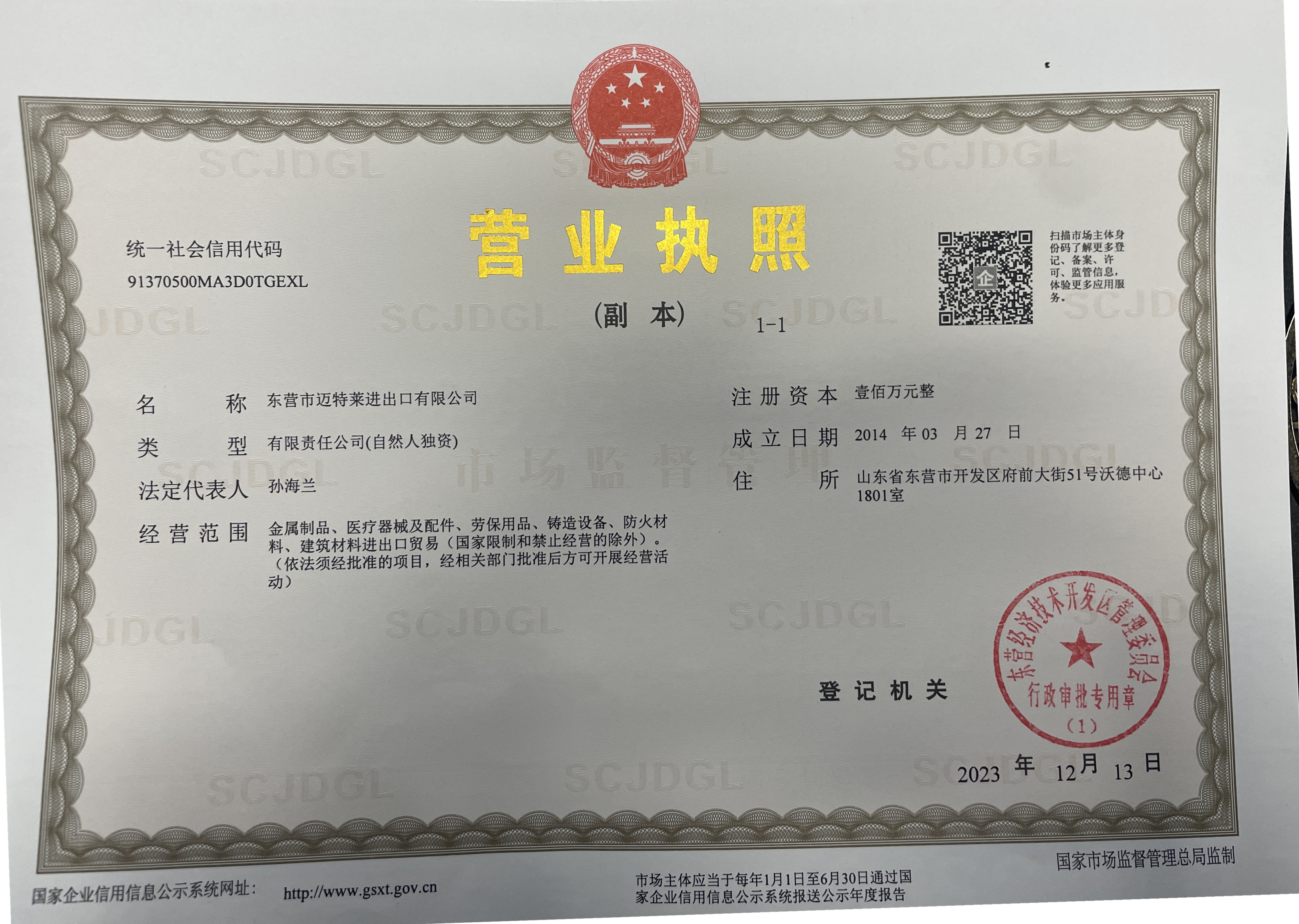
Copyright : Dongying Maitlai Import and Export Co., Ltd. Powerby : CEGLOBAL | SEO | Privacy agreement