
-
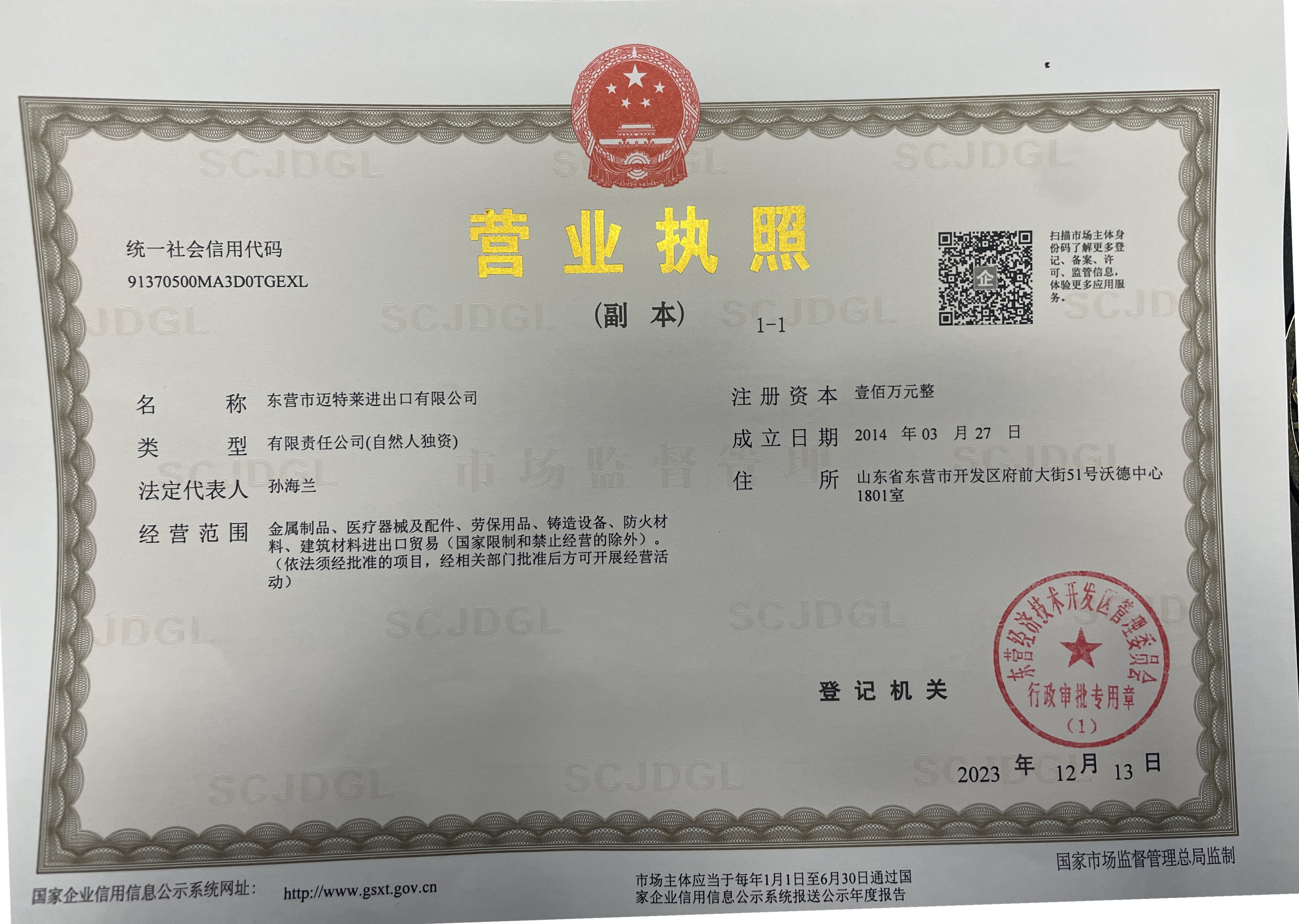
About UsMTL has been focusing on investment casting, including not only carbon steel metal components, but also stainless steel products and alloy steel products.

-
-
FactoryMTL has been focusing on investment casting, including not only carbon steel metal components, but also stainless steel products and alloy steel products.
-
NewsMTL has been focusing on investment casting, including not only carbon steel metal components, but also stainless steel products and alloy steel products.
Top Advantages of Choosing Stainless Steel for Valve Castings
Jul 13,2026
Top Advantages of Choosing Stainless Steel for Valve Castings Introduction to Stainless Steel in Valve Manufacturing The selection of materials in industrial applications, particularly in valve castings, plays a crucial role in performance, longevity, and overall operational efficiency. Among various materials, **stainless steel** stands out due to its unique properties. Recognized for its resis
Top Advantages of Choosing Stainless Steel for Valve Castings
Introduction to Stainless Steel in Valve Manufacturing
The selection of materials in industrial applications, particularly in valve castings, plays a crucial role in performance, longevity, and overall operational efficiency. Among various materials, **stainless steel** stands out due to its unique properties. Recognized for its resistance to rust and corrosion, stainless steel not only enhances the durability of valve castings but also provides a range of additional advantages that make it the preferred choice for many industries.
Table of Contents
- 1. Exceptional Corrosion Resistance
- 2. Increased Durability and Lifespan
- 3. Low Maintenance Requirements
- 4. High-Temperature Resistance
- 5. Versatility in Applications
- 6. Eco-Friendly and Sustainable Material
- 7. Cost-Effectiveness in the Long Run
- 8. Conclusion
- 9. Frequently Asked Questions
1. Exceptional Corrosion Resistance
One of the most significant advantages of stainless steel is its outstanding **corrosion resistance**. This property is attributed to the presence of chromium, which forms a protective layer on the surface of the steel. This layer prevents moisture and oxygen from penetrating the material, thereby inhibiting rust and corrosion. For industries such as **oil and gas**, **chemical processing**, and **water treatment**, where valves are frequently exposed to harsh environments, the choice of stainless steel is essential. The reduced likelihood of corrosion significantly extends the lifespan of the valves and reduces the need for frequent replacements.
2. Increased Durability and Lifespan
Stainless steel is known for its **inherent strength and toughness**. This durability translates into a longer lifespan for valve castings compared to those made from other materials. Stainless steel can withstand significant mechanical stress and pressure, making it ideal for high-intensity applications. Its ability to resist wear and tear ensures that equipment remains operational for extended periods, reducing downtime and increasing productivity across industries.
3. Low Maintenance Requirements
The low maintenance requirements of stainless steel valves contribute to their appeal in industrial applications. Unlike other materials that may require regular painting, coating, or other protective treatments, stainless steel maintains its integrity over time with minimal upkeep. This factor not only saves on maintenance costs but also minimizes operational interruptions. Industries benefit from the reduced need for repairs and replacements, which translates into enhanced efficiency and lower overall operational costs.
4. High-Temperature Resistance
Another significant advantage of stainless steel is its **ability to perform in high-temperature environments**. Many industrial processes involve extreme heat, which can compromise the integrity of certain materials. Stainless steel maintains its mechanical properties and does not become brittle at elevated temperatures, making it suitable for applications in sectors like power generation and petrochemicals. This high-temperature resistance allows for greater flexibility in design and application, ensuring valves remain functional and reliable in demanding situations.
5. Versatility in Applications
Stainless steel is a highly versatile material that can be tailored to meet the specific requirements of various applications. Available in different grades and finishes, it can be used for a wide range of valve types, including **ball valves**, **gate valves**, **globe valves**, and more. This versatility means that industries can rely on stainless steel for a multitude of applications, from water systems to high-pressure gas pipelines. The ability to customize stainless steel components ensures that they meet the specific needs of different operations, enhancing overall performance and efficiency.
6. Eco-Friendly and Sustainable Material
In today's eco-conscious world, the sustainability of materials is more important than ever. Stainless steel is 100% recyclable, making it an environmentally friendly choice for valve manufacturing. The recycling process requires less energy compared to producing new stainless steel, thereby reducing the carbon footprint associated with its production. By choosing stainless steel for valve castings, industries contribute to a more sustainable future, aligning their operations with global efforts to reduce waste and promote environmental responsibility.
7. Cost-Effectiveness in the Long Run
While the initial cost of stainless steel may be higher than that of other materials, its long-term benefits make it a **cost-effective option**. The durability, low maintenance, and extended lifespan of stainless steel valves lead to lower overall costs over time. Industries can save significantly on repair and replacement costs, as well as minimize downtime associated with equipment failure. When evaluating the total cost of ownership, stainless steel emerges as a smart investment that pays off in the long run.
8. Conclusion
Choosing stainless steel for valve castings offers a multitude of advantages that significantly enhance operational efficiency and longevity. From its exceptional corrosion resistance and durability to its low maintenance requirements and high-temperature performance, stainless steel is the material of choice for many industries. Its versatility, eco-friendliness, and long-term cost-effectiveness further solidify its position as a leading option in valve manufacturing. By investing in stainless steel, industries can ensure that their valves meet the demands of their operations while contributing to a sustainable future.
9. Frequently Asked Questions
What types of valves are commonly made from stainless steel?
Stainless steel is widely used for various types of valves, including ball valves, gate valves, globe valves, check valves, and more. Its versatility allows for use in both high-pressure and low-pressure applications.
How does stainless steel compare to other materials for valve manufacturing?
Stainless steel outperforms many other materials, such as carbon steel or plastic, due to its superior corrosion resistance, durability, and maintenance requirements, making it ideal for demanding industrial applications.
Can stainless steel valves be used in high-temperature environments?
Yes, stainless steel valves are well-suited for high-temperature environments, as they maintain their strength and integrity even under extreme heat, making them reliable in power generation and chemical processing.
Are stainless steel valves environmentally friendly?
Absolutely! Stainless steel is 100% recyclable, reducing waste and energy consumption associated with new production, making it a sustainable choice for industries concerned with environmental impact.
What is the lifespan of stainless steel valves?
The lifespan of stainless steel valves can vary based on application and maintenance but generally exceeds that of valves made from other materials due to their durability and resistance to wear and corrosion.
By understanding the advantages of stainless steel for valve castings, industries can make informed decisions that enhance their operational effectiveness and contribute to sustainability initiatives.
CONTACT US
Office Add:No. 51 Fuqian St., EDZ, Dongying, Shandong, 257091 China
Plant Add:No. 88 Lingzhihou St., EDZ, Gaomi, Shandong, 261500 China


POPULAR PRODUCTS
CONSULTAR
Copyright : Dongying Maitlai Import and Export Co., Ltd. Powerby : CEGLOBAL | SEO | Privacy agreement