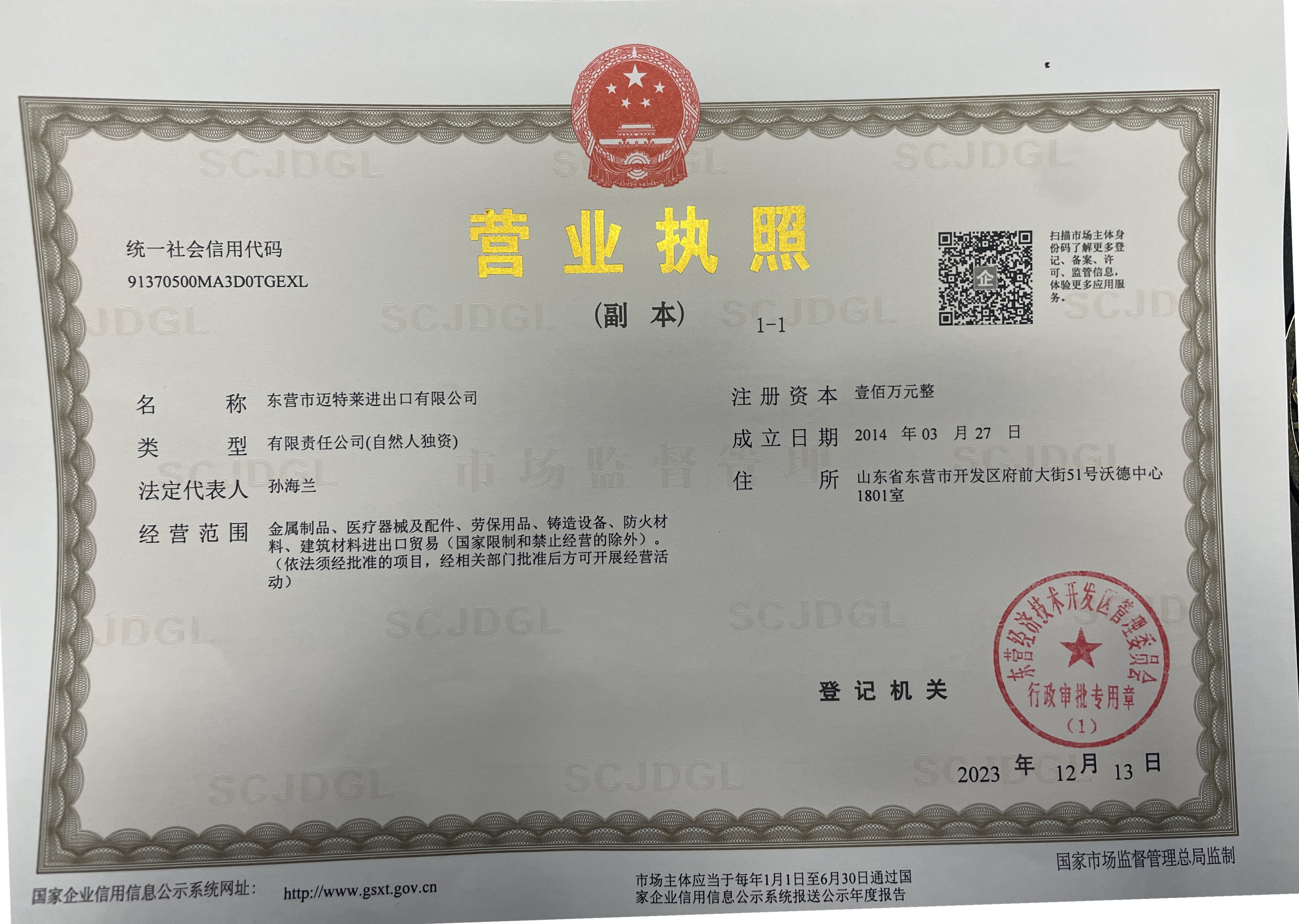

-
About UsMTL has been focusing on investment casting, including not only carbon steel metal components, but also stainless steel products and alloy steel products.

-
-
FactoryMTL has been focusing on investment casting, including not only carbon steel metal components, but also stainless steel products and alloy steel products.
-
NewsMTL has been focusing on investment casting, including not only carbon steel metal components, but also stainless steel products and alloy steel products.
A Beginner's Guide to Mechanical Hardware Castings Explained: Understanding the Essentials of Metal Fabrication
Jul 01,2026
A Beginner's Guide to Mechanical Hardware Castings Explained Table of Contents What is Mechanical Hardware Casting? History of the Casting Process Types of Casting Methods for Mechanical Hardware Sand Casting Investment Casting Die Casting Lost Wax Casting Materials Used in Mechanical Hardware Castings Adva
A Beginner's Guide to Mechanical Hardware Castings Explained
Table of Contents
- What is Mechanical Hardware Casting?
- History of the Casting Process
- Types of Casting Methods for Mechanical Hardware
- Materials Used in Mechanical Hardware Castings
- Advantages of Using Casting in Manufacturing
- Applications of Mechanical Hardware Castings
- Best Practices in Mechanical Hardware Casting
- Future of Casting Technology in Manufacturing
- Frequently Asked Questions (FAQs)
What is Mechanical Hardware Casting?
Mechanical hardware casting is a manufacturing process that involves pouring molten metal into a mold to create various components and parts used in different machinery and equipment. This technique allows for the creation of intricate shapes and designs, which would be challenging or impossible to achieve using traditional machining methods. The versatility of casting makes it an essential process in industries such as automotive, aerospace, and construction.
History of the Casting Process
The casting process dates back thousands of years, with the earliest known examples found in ancient civilizations such as Mesopotamia and Egypt. These societies utilized simple molds made from clay or stone to create bronze tools and ornaments. Over the centuries, the process evolved significantly, leading to the development of various casting methods and materials. The Industrial Revolution marked a turning point in casting technology, as innovations facilitated mass production and improved quality control. Today, mechanical hardware casting remains a cornerstone of modern manufacturing, with advanced techniques and materials driving efficiency and precision.
Types of Casting Methods for Mechanical Hardware
Understanding the different casting methods is crucial for selecting the appropriate technique for a specific application. The four primary casting methods include:
Sand Casting
Sand casting is one of the oldest and most widely used casting methods. It involves creating a mold from a mixture of sand, clay, and water. The process is cost-effective and suitable for producing both small and large quantities of parts. Sand casting is often used for producing automotive components, machinery parts, and decorative items.
Investment Casting
Investment casting, also known as lost-wax casting, involves creating a wax pattern which is then coated with a ceramic shell. Once the shell hardens, the wax is melted away, leaving a hollow mold. This method allows for high precision and excellent surface finishes, making it ideal for producing intricate components in the aerospace and medical industries.
Die Casting
Die casting is a process that uses high pressure to inject molten metal into a steel mold. This method is particularly effective for producing large volumes of small to medium-sized parts with excellent dimensional accuracy. Die casting is commonly used for manufacturing consumer electronics, automotive parts, and household appliances.
Lost Wax Casting
Lost wax casting is a variation of investment casting, where a wax pattern is coated with a refractory material to form a mold. This method is favored for its ability to create complex shapes and fine details. It is widely used in jewelry making, sculpture, and precision engineering.
Materials Used in Mechanical Hardware Castings
The choice of materials for casting plays a crucial role in the final product's quality and performance. Common materials used in mechanical hardware castings include:
- **Aluminum**: Lightweight and corrosion-resistant, aluminum is commonly used for automotive and aerospace components.
- **Steel**: Known for its strength and durability, steel is used in various applications, including construction and heavy machinery.
- **Bronze**: This alloy of copper and tin is valued for its wear resistance and is often used in marine applications.
- **Iron**: Cast iron is popular for its excellent machinability and is frequently used in engine blocks and pipes.
Selecting the right material depends on factors such as mechanical properties, corrosion resistance, and the intended application of the cast part.
Advantages of Using Casting in Manufacturing
Mechanical hardware casting offers several advantages that make it a preferred manufacturing method:
- **Complex Shapes**: Casting can create intricate geometries that would be difficult or impossible to achieve with machining alone.
- **Cost-Effective**: Once the mold is created, casting allows for the mass production of parts at a lower cost per unit.
- **Material Efficiency**: Casting can minimize waste by allowing for near-net shape production, reducing the need for extensive machining.
- **Versatility**: A wide range of materials can be used in casting, allowing manufacturers to select the best options for specific applications.
Applications of Mechanical Hardware Castings
Mechanical hardware castings are utilized in numerous industries and applications, including:
- **Automotive Industry**: Cast components such as engine blocks, transmission housings, and suspension parts are essential for vehicle performance and safety.
- **Aerospace Sector**: High-precision cast parts are critical for aircraft engines, landing gear, and structural components.
- **Construction Equipment**: Castings are used in heavy machinery such as excavators, bulldozers, and cranes for their durability and strength.
- **Consumer Goods**: Items ranging from kitchen appliances to tools often rely on cast components for functionality and design.
Best Practices in Mechanical Hardware Casting
To ensure quality and efficiency in the casting process, manufacturers should adhere to the following best practices:
1. **Mold Design**: Invest in accurate mold design to minimize defects and ensure proper filling of the mold.
2. **Material Selection**: Choose appropriate materials based on the desired properties and application requirements.
3. **Temperature Control**: Monitor the temperature of the molten metal to achieve optimal flow and minimize defects.
4. **Quality Control**: Implement rigorous quality control measures throughout the casting process to detect and rectify issues early.
Future of Casting Technology in Manufacturing
The future of mechanical hardware casting is poised for growth, driven by advancements in technology and materials. Innovations such as 3D printing for mold creation, the use of smart materials, and automation in casting processes are set to revolutionize the industry. Additionally, sustainability efforts are leading to more eco-friendly materials and processes, ensuring that casting remains a viable option in the quest for efficient and responsible manufacturing.
Frequently Asked Questions (FAQs)
1. What are the main advantages of mechanical hardware casting?
Mechanical hardware casting allows for the production of complex shapes, is cost-effective for mass production, and uses a variety of materials suitable for different applications.
2. What types of materials are predominantly used in casting?
Common materials include aluminum, steel, bronze, and iron, each chosen based on their specific mechanical properties and application requirements.
3. How does investment casting differ from sand casting?
Investment casting uses a wax pattern and a ceramic shell mold for high precision, while sand casting relies on a sand mixture for the mold, making it more cost-effective for larger, simpler parts.
4. What industries rely heavily on casting processes?
The automotive, aerospace, construction, and consumer goods industries heavily utilize casting processes for producing essential components.
5. What are the key factors affecting the quality of cast parts?
Key factors include mold design, material selection, temperature control during pouring, and adherence to quality control measures throughout the casting process.
Conclusion
Mechanical hardware casting is an indispensable aspect of modern manufacturing, transforming raw materials into functional and durable components across various industries. By understanding the different casting methods, materials, advantages, and best practices, both beginners and seasoned professionals can appreciate the intricacies involved in this process. As technology continues to evolve, the future of casting promises even greater innovations, ensuring its relevance in a rapidly advancing industrial landscape.

CONTACT US
Office Add:No. 51 Fuqian St., EDZ, Dongying, Shandong, 257091 China
Plant Add:No. 88 Lingzhihou St., EDZ, Gaomi, Shandong, 261500 China


POPULAR PRODUCTS
CONSULTAR
Copyright : Dongying Maitlai Import and Export Co., Ltd. Powerby : CEGLOBAL | SEO | Privacy agreement