
-
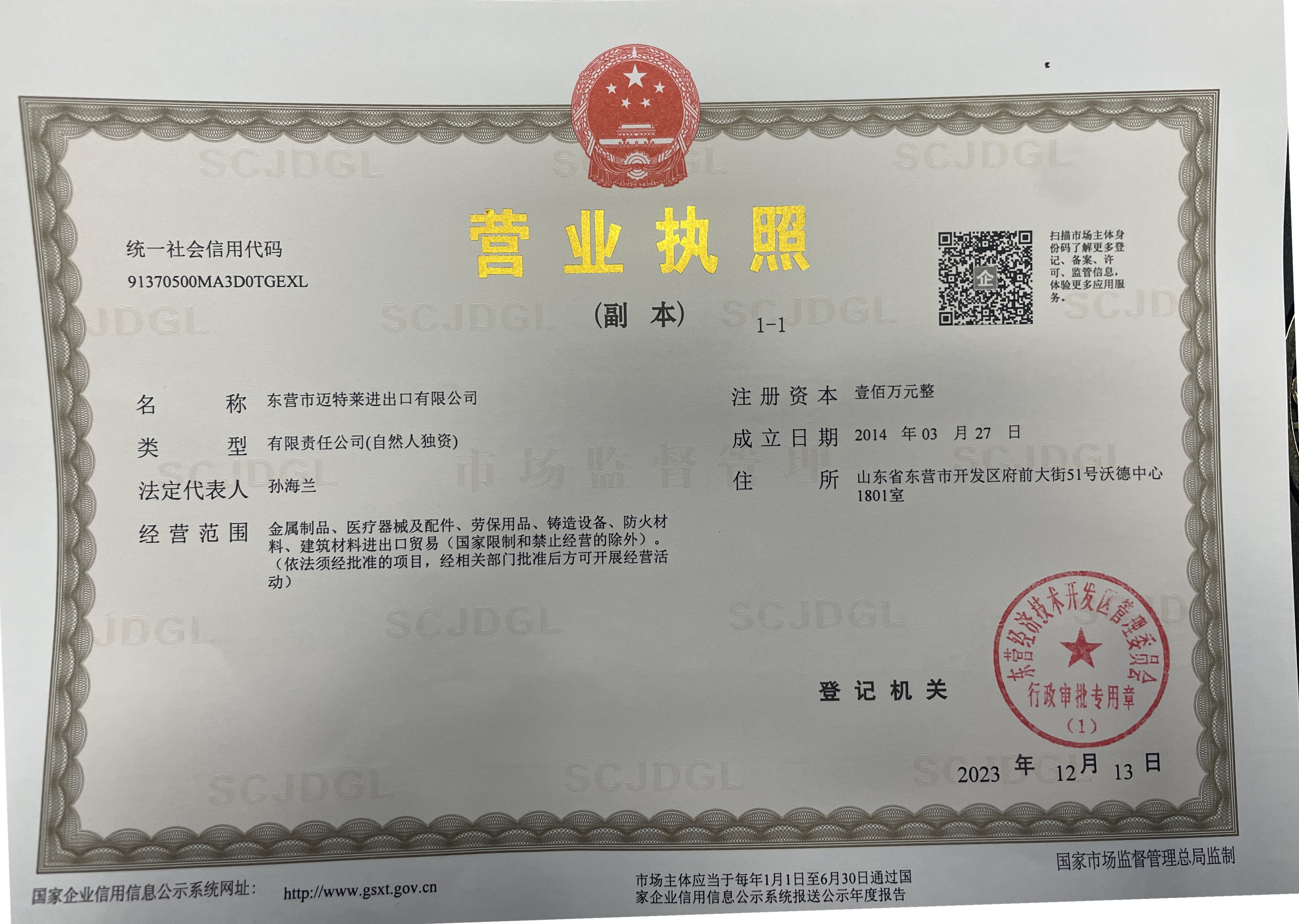
About UsMTL has been focusing on investment casting, including not only carbon steel metal components, but also stainless steel products and alloy steel products.

-
-
FactoryMTL has been focusing on investment casting, including not only carbon steel metal components, but also stainless steel products and alloy steel products.
-
NewsMTL has been focusing on investment casting, including not only carbon steel metal components, but also stainless steel products and alloy steel products.
Understanding High-Pressure Valve Castings: A Key Element in Mechanical Manufacturing
Jun 28,2026
High-pressure valve castings are critical components in various industrial applications where pressure regulation is crucial. These castings are designed to withstand significant pressure levels, making them ideal for industries such as oil and gas, water treatment, and chemical processing. The manufacturing process involves pouring molten metal into a mold to create a valve body that meets specif
One of the primary benefits of high-pressure valve castings is their ability to handle extreme conditions. They are engineered to resist corrosion, wear, and high temperatures, which are common challenges in many industrial environments. This durability extends the lifespan of the valves, reducing the need for frequent replacements and maintenance, which can be costly and time-consuming.
The casting process typically used for these valves is sand casting or investment casting. Sand casting involves creating a mold from sand, while investment casting uses a wax pattern that is coated with a ceramic material. Each method has its advantages; for instance, sand casting is generally more cost-effective for larger batches, while investment casting allows for more intricate designs and tighter tolerances.
One of the most crucial aspects of high-pressure valve castings is their precision. The manufacturing process must adhere to strict tolerances to ensure that each valve operates effectively and efficiently under pressure. This precision is vital not only for performance but also for safety, as any failure in a high-pressure system can lead to catastrophic consequences.
Additionally, high-pressure valve castings are often subjected to rigorous testing to ensure they meet industry standards. This testing includes pressure testing, leak testing, and material inspections to confirm that the castings can perform under expected conditions. Such thorough quality control measures help ensure that the final product is reliable and safe for use in critical applications.
In summary, high-pressure valve castings are indispensable in the manufacturing of mechanical hardware. Their ability to withstand high pressure and harsh conditions makes them suitable for various applications across multiple industries. By understanding the significance of these castings and the processes involved in their production, you can appreciate their role in enhancing the efficiency and safety of industrial operations. Whether you are involved in purchasing, engineering, or maintenance, recognizing the importance of high-pressure valve castings will help you make informed decisions in your professional endeavors.

CONTACT US
Office Add:No. 51 Fuqian St., EDZ, Dongying, Shandong, 257091 China
Plant Add:No. 88 Lingzhihou St., EDZ, Gaomi, Shandong, 261500 China


POPULAR PRODUCTS
CONSULTAR
Copyright : Dongying Maitlai Import and Export Co., Ltd. Powerby : CEGLOBAL | SEO | Privacy agreement