
-
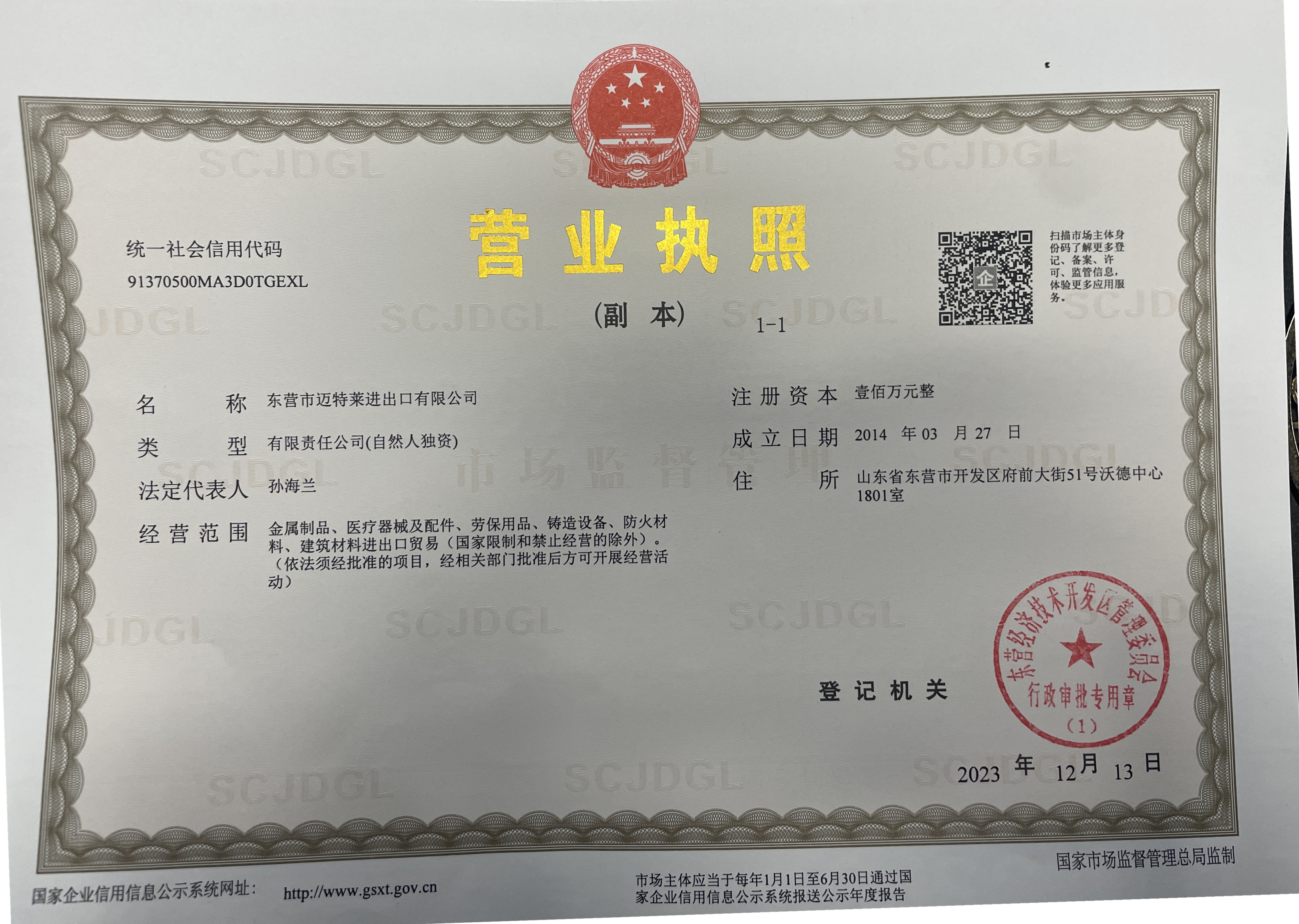
About UsMTL has been focusing on investment casting, including not only carbon steel metal components, but also stainless steel products and alloy steel products.

-
-
FactoryMTL has been focusing on investment casting, including not only carbon steel metal components, but also stainless steel products and alloy steel products.
-
NewsMTL has been focusing on investment casting, including not only carbon steel metal components, but also stainless steel products and alloy steel products.
Why High-Pressure Valve Castings Are Essential for Efficient Manufacturing
Dec 13,2025
Why High-Pressure Valve Castings Are Essential for Efficient Manufacturing Manufacturing processes are increasingly complex and require precision-engineered components to meet rising demands. Among these critical components, **high-pressure valve castings** play a pivotal role in ensuring that operations run smoothly. In this article, we will delve into the importance of high-pressure valve castin
Why High-Pressure Valve Castings Are Essential for Efficient Manufacturing
Manufacturing processes are increasingly complex and require precision-engineered components to meet rising demands. Among these critical components, **high-pressure valve castings** play a pivotal role in ensuring that operations run smoothly. In this article, we will delve into the importance of high-pressure valve castings, their manufacturing processes, and the various applications where they are indispensable.
Table of Contents
- 1. Understanding High-Pressure Valve Castings
- 2. The Manufacturing Process of High-Pressure Valve Castings
- 3. Key Materials Used in Valve Castings
- 4. Advantages of High-Pressure Valve Castings
- 5. Applications of High-Pressure Valve Castings in Different Industries
- 6. Future Trends in High-Pressure Valve Technology
- 7. FAQs About High-Pressure Valve Castings
- 8. Conclusion
1. Understanding High-Pressure Valve Castings
High-pressure valve castings are specialized components designed to control the flow of fluids and gases in various systems operating under high-pressure conditions. These valves play a crucial role in ensuring the safety and efficiency of manufacturing processes. They are employed in systems that require stringent control measures, especially in industries such as oil and gas, chemical processing, and power generation.
The primary function of high-pressure valves is to regulate, direct, and control the flow of fluids, gases, and slurries. The reliability and durability of these components are paramount, as failures can lead to catastrophic consequences, including environmental hazards, equipment damage, and significant economic losses.
2. The Manufacturing Process of High-Pressure Valve Castings
The manufacturing of high-pressure valve castings involves several intricate steps, each requiring precision and expertise. The process can be broadly categorized into the following stages:
2.1. Design and Engineering
The first step in the manufacturing process is the design and engineering of the valve. Engineers use advanced software tools to create 3D models that optimize performance under high-pressure conditions. Factors such as flow dynamics, thermal expansion, and material properties are taken into account to ensure that the final product meets all operational requirements.
2.2. Mold Creation
Once the design is finalized, the next step is to create molds for casting. High-precision molds are essential to ensure that the valve castings have the correct dimensions and surface finish. Molds can be made from various materials, including metal and sand, depending on the casting method chosen.
2.3. Melting and Pouring
In this step, the chosen metal alloy is melted in a furnace and poured into the prepared molds. The temperature and pouring technique must be carefully controlled to prevent defects such as porosity, cracks, or inclusions in the final product.
2.4. Cooling and Solidification
After pouring, the molten metal must cool and solidify. This process can be accelerated or controlled based on the properties desired in the finished casting. Proper cooling techniques can help avoid internal stresses that could weaken the component.
2.5. Finishing Operations
Once the valve has solidified, it undergoes several finishing operations, including machining, grinding, and surface treatment. These steps help achieve the precise dimensions and surface quality required for optimal performance. Additionally, quality assurance tests, such as pressure testing and non-destructive testing, are conducted to ensure that each valve meets stringent safety and performance standards.
3. Key Materials Used in Valve Castings
The materials selected for high-pressure valve castings are critical to their performance and longevity. Common materials include:
3.1. Cast Iron
Cast iron is often used in valve manufacturing due to its excellent wear resistance and machinability. It is suitable for various applications, particularly in industries where thermal resistance is crucial.
3.2. Stainless Steel
Stainless steel is favored for its corrosion resistance, durability, and strength. It is particularly useful in chemical processing environments where exposure to aggressive substances is common.
3.3. Alloys
Various metal alloys are also employed in valve castings to enhance specific properties such as strength, heat resistance, and toughness. Alloys can be tailored to meet the unique requirements of different applications.
4. Advantages of High-Pressure Valve Castings
High-pressure valve castings offer numerous advantages that contribute to their essential role in efficient manufacturing:
4.1. Enhanced Safety
High-pressure valve castings are designed to withstand extreme conditions, reducing the risk of leaks or failures that could pose safety hazards in industrial settings.
4.2. Improved Efficiency
These valves enable precise control of flow rates and pressure levels, allowing for optimized processes and reduced energy consumption.
4.3. Durability and Longevity
Manufactured from high-quality materials, high-pressure valve castings have a longer lifespan compared to standard valves, which leads to reduced maintenance and replacement costs.
4.4. Cost-Effectiveness
While the initial investment in high-pressure valve castings may be higher, their durability and efficiency translate into significant long-term savings for manufacturers.
4.5. Versatile Applications
High-pressure valves can be customized for a wide range of applications, making them suitable for various industries, from oil and gas to pharmaceuticals.
5. Applications of High-Pressure Valve Castings in Different Industries
High-pressure valve castings are integral to many industries, each benefiting from their unique properties:
5.1. Oil and Gas Industry
In the oil and gas sector, high-pressure valves are crucial for controlling the flow of crude oil and natural gas. Their reliability ensures safe and efficient operations, even in extreme conditions.
5.2. Chemical Processing
Chemical plants rely on high-pressure valve castings to manage the flow of reactive substances safely. These valves help prevent leaks and facilitate the safe handling of hazardous materials.
5.3. Power Generation
High-pressure valve castings are essential in power generation facilities, particularly in steam and gas turbines, where precise control of fluid flow is critical to maintain operational efficiency.
5.4. Water Treatment Plants
In water treatment facilities, these valves regulate the flow of water and chemicals, ensuring that the treatment processes adhere to safety and environmental standards.
5.5. Aerospace and Defense
High-pressure valve castings are also utilized in aerospace applications where reliability and performance under extreme conditions are paramount, ensuring the safety of aircraft and defense systems.
6. Future Trends in High-Pressure Valve Technology
As industries evolve, the demand for high-pressure valve castings is expected to increase. Emerging trends include:
6.1. Smart Valves
The integration of IoT technology into valve systems will provide real-time monitoring and control, enhancing operational efficiency and predictive maintenance.
6.2. Advanced Materials
Research into new materials, such as composite and hybrid materials, will likely lead to even more robust and lightweight valve castings.
6.3. Sustainability Initiatives
Manufacturers are increasingly focusing on sustainability, leading to the development of eco-friendly valve solutions that minimize environmental impact.
7. FAQs About High-Pressure Valve Castings
7.1. What are high-pressure valve castings?
High-pressure valve castings are engineered components used to control the flow of fluids and gases under high-pressure conditions, primarily in industrial applications.
7.2. What materials are used in high-pressure valve manufacturing?
Common materials include cast iron, stainless steel, and various metal alloys designed to enhance strength, durability, and corrosion resistance.
7.3. How do high-pressure valves improve manufacturing efficiency?
These valves provide precise control over flow rates and pressure levels, optimizing processes and reducing energy consumption.
7.4. In which industries are high-pressure valve castings commonly used?
High-pressure valve castings are prevalent in the oil and gas, chemical processing, power generation, water treatment, and aerospace industries.
7.5. What are the future trends in high-pressure valve technology?
Emerging trends include the development of smart valves with IoT integration, advanced materials for enhanced performance, and sustainable manufacturing practices.
8. Conclusion
High-pressure valve castings are fundamental components that enhance the efficiency, safety, and reliability of modern manufacturing processes. Their ability to withstand extreme conditions and their adaptability across various industries make them indispensable in today's manufacturing landscape. As technology continues to advance, the role of these castings will only become more crucial, paving the way for innovations that will shape the future of industrial operations. Investing in high-quality high-pressure valve castings not only benefits manufacturers in terms of performance but also contributes to safer and more efficient production environments.

CONTACT US
Office Add:No. 51 Fuqian St., EDZ, Dongying, Shandong, 257091 China
Plant Add:No. 88 Lingzhihou St., EDZ, Gaomi, Shandong, 261500 China


POPULAR PRODUCTS
CONSULTAR
Copyright : Dongying Maitlai Import and Export Co., Ltd. Powerby : CEGLOBAL | SEO | Privacy agreement