
-
About UsMTL has been focusing on investment casting, including not only carbon steel metal components, but also stainless steel products and alloy steel products.

-
-
FactoryMTL has been focusing on investment casting, including not only carbon steel metal components, but also stainless steel products and alloy steel products.
-
NewsMTL has been focusing on investment casting, including not only carbon steel metal components, but also stainless steel products and alloy steel products.
Understanding Gate Valve Investment Castings: A Key Component in Mechanical Manufacturing
Dec 10,2025
--- Gate valve investment castings are an essential element in the mechanical manufacturing and processing industry, particularly in applications where fluid flow control is critical. These castings are produced through the investment casting method, a technique that allows for the creation of complex shapes and high precision components. This process is particularly beneficial for manufacturing g
Gate valve investment castings are an essential element in the mechanical manufacturing and processing industry, particularly in applications where fluid flow control is critical. These castings are produced through the investment casting method, a technique that allows for the creation of complex shapes and high precision components. This process is particularly beneficial for manufacturing gate valves, which are designed to start or stop fluid flow, making them vital in various industries, including oil and gas, water treatment, and power generation.
Investment casting, also known as precision casting, involves creating a wax pattern that is coated with a ceramic material. Once the ceramic shell is formed, the wax is melted away, leaving a hollow mold that can withstand high temperatures during the metal pouring process. This technique offers several advantages, including the ability to produce intricate designs with tight tolerances and a smooth surface finish. As a result, gate valve investment castings can be manufactured to meet the stringent specifications required for reliable operation in demanding environments.
One of the key benefits of gate valve investment castings is their durability. These castings can be made from various materials, including stainless steel, carbon steel, and alloys, which are chosen based on the specific application and fluid characteristics. The use of high-quality materials ensures that the gate valves can withstand corrosive environments, high pressures, and extreme temperatures, thereby enhancing their lifespan and reliability.
Moreover, the investment casting process is highly efficient, enabling manufacturers to produce large quantities of gate valves with consistent quality. This efficiency not only reduces production costs but also allows for rapid prototyping and shorter lead times, which can be a significant advantage in today’s fast-paced market.
In addition to their mechanical properties, gate valve investment castings also offer design flexibility. Engineers can create customized solutions tailored to specific operational requirements, improving overall system performance. The ability to manufacture complex geometries also means that gate valves can be integrated more easily into existing systems, minimizing the need for extensive modifications or replacements.
In summary, gate valve investment castings represent a vital innovation within the mechanical manufacturing sector. Their combination of durability, precision, and efficiency makes them an indispensable choice for industries that rely on effective fluid flow management. By understanding the importance of these components, professionals in the manufacturing and engineering fields can make informed decisions that enhance operational efficiency and system reliability.

CONTACT US
Office Add:No. 51 Fuqian St., EDZ, Dongying, Shandong, 257091 China
Plant Add:No. 88 Lingzhihou St., EDZ, Gaomi, Shandong, 261500 China


POPULAR PRODUCTS
CONSULTAR
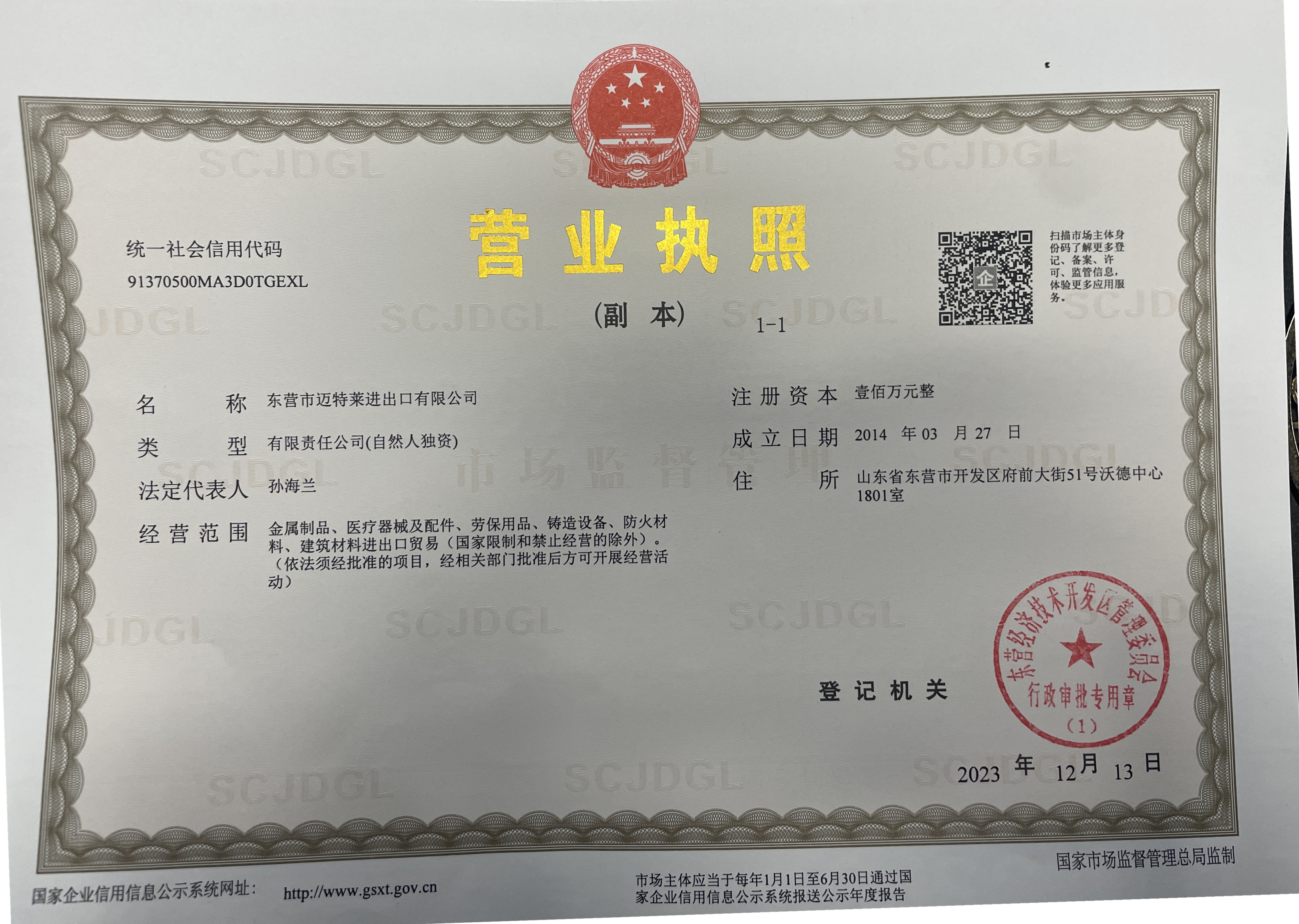
Copyright : Dongying Maitlai Import and Export Co., Ltd. Powerby : CEGLOBAL | SEO | Privacy agreement