
-
About UsMTL has been focusing on investment casting, including not only carbon steel metal components, but also stainless steel products and alloy steel products.

-
-
FactoryMTL has been focusing on investment casting, including not only carbon steel metal components, but also stainless steel products and alloy steel products.
-
NewsMTL has been focusing on investment casting, including not only carbon steel metal components, but also stainless steel products and alloy steel products.
Understanding Mechanical Hardware Castings: A Key Element in Manufacturing
Nov 04,2025
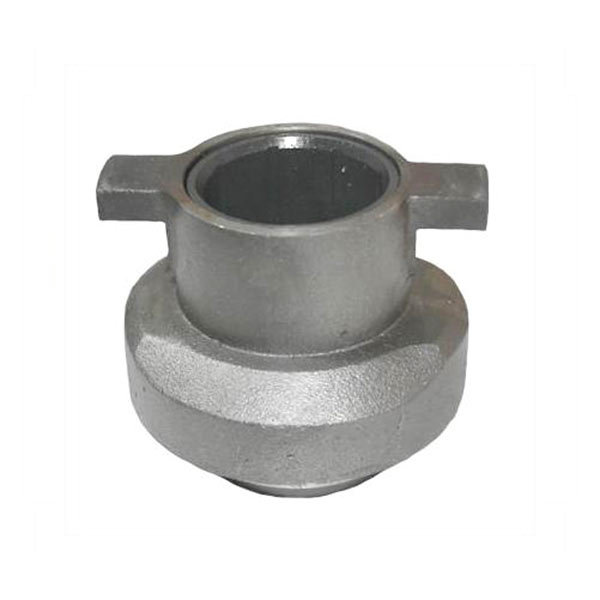
Mechanical hardware castings represent an essential aspect of the manufacturing industry, particularly in the fields of machining and metalworking. These castings are created by pouring molten metal into a mold to achieve the desired shape and properties. This process allows for the production of complex components that are integral to various mechanical systems. One of the main advantages of usin
One of the main advantages of using mechanical hardware castings is their ability to create intricate designs and shapes that are often difficult to achieve through other manufacturing methods, such as machining. By using casting techniques, manufacturers can produce parts with high precision and excellent surface finishes. This capability is particularly beneficial for industries that require components with tight tolerances and specific geometrical configurations.
The casting process itself can vary based on the material being used and the desired characteristics of the final product. Common materials for mechanical hardware castings include aluminum, steel, and iron, each offering different mechanical properties and advantages. For instance, aluminum castings are lightweight and resistant to corrosion, making them ideal for applications where weight savings are critical.
Quality assurance is another significant aspect of mechanical hardware castings. Rigorous testing and inspection processes are essential to ensure that the cast components meet the required standards and specifications. Techniques such as X-ray inspection and ultrasonic testing are often employed to detect internal defects that may compromise the integrity of the castings.
In addition to the technical aspects, it is vital to consider the economic implications of mechanical hardware castings. Casting can be a cost-effective solution for producing large quantities of components due to the relatively low cost of molds compared to other manufacturing processes. Additionally, the ability to manufacture complex parts in one piece reduces assembly time and costs, further enhancing efficiency in production.
Sustainability is also becoming an increasingly important consideration in the casting industry. Many manufacturers are exploring ways to minimize waste and improve energy efficiency in their casting processes. Innovations in materials and recycling practices are contributing to more sustainable production methods, aligning with global trends towards eco-friendliness in manufacturing.
In conclusion, mechanical hardware castings are a vital component of the manufacturing landscape. Understanding the processes, advantages, and challenges associated with mechanical hardware castings can empower professionals within the industry to make informed decisions that enhance production quality and efficiency. As technology advances, the potential for innovation in casting processes continues to grow, presenting exciting opportunities for future developments in manufacturing.

CONTACT US
Office Add:No. 51 Fuqian St., EDZ, Dongying, Shandong, 257091 China
Plant Add:No. 88 Lingzhihou St., EDZ, Gaomi, Shandong, 261500 China


POPULAR PRODUCTS
CONSULTAR
Copyright : Dongying Maitlai Import and Export Co., Ltd. Powerby : CEGLOBAL | SEO | Privacy agreement