-
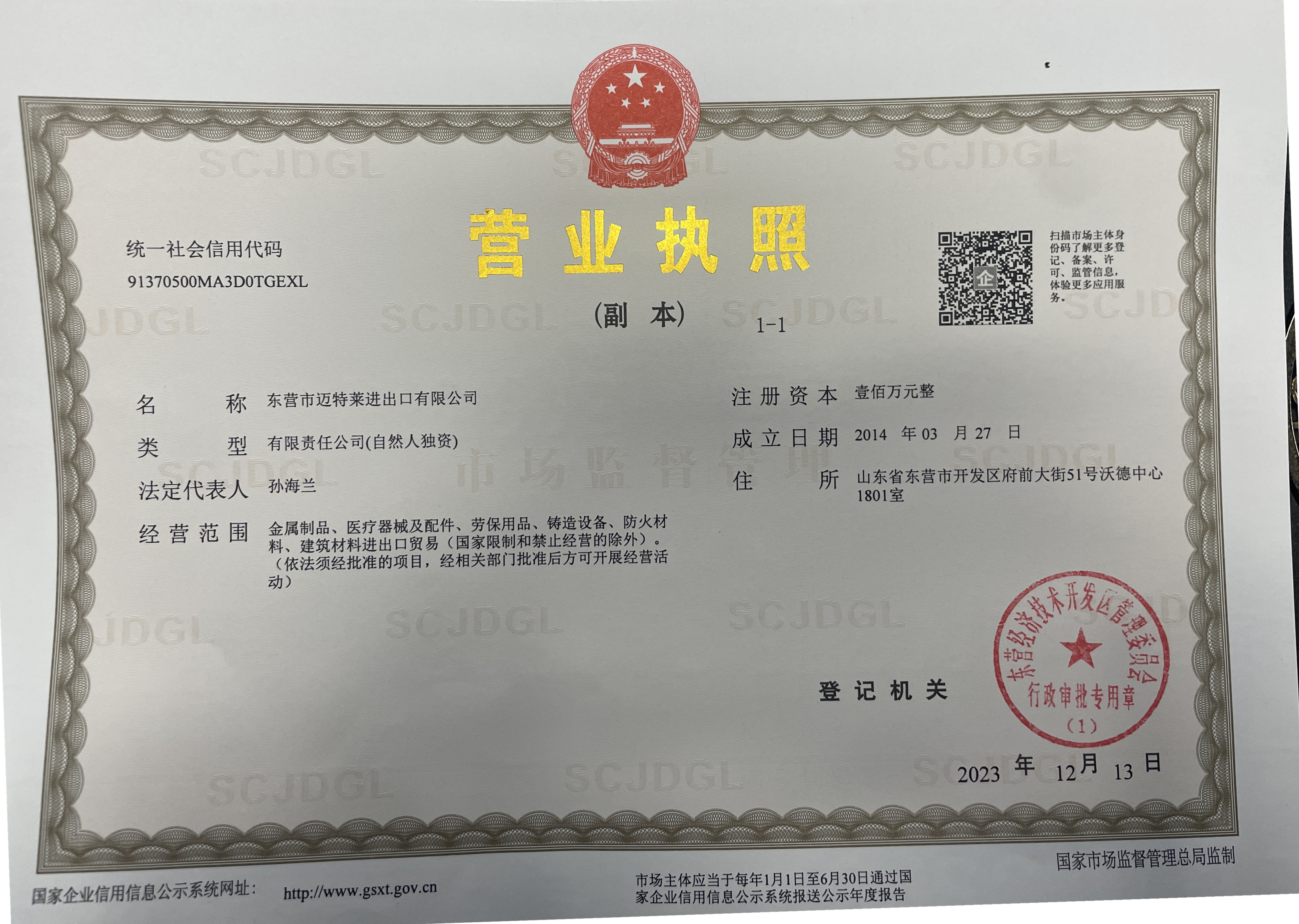
About UsMTL has been focusing on investment casting, including not only carbon steel metal components, but also stainless steel products and alloy steel products.

-
-
FactoryMTL has been focusing on investment casting, including not only carbon steel metal components, but also stainless steel products and alloy steel products.
-
NewsMTL has been focusing on investment casting, including not only carbon steel metal components, but also stainless steel products and alloy steel products.
Unlocking the Potential of Automotive Investment Castings in Precision Manufacturing
Oct 17,2025
Automotive investment castings have emerged as a pivotal element in the manufacturing and processing of mechanical hardware, particularly in the precision-driven automotive industry. This method, characterized by its ability to produce complex shapes with exceptional accuracy, offers numerous advantages that can significantly impact production efficiency and product quality. Investment casting, al
Investment casting, also known as lost-wax casting, is a process that allows manufacturers to create intricate components with remarkable dimensional precision. This is particularly crucial in automotive applications, where even minor discrepancies can lead to significant performance issues. By utilizing this technique, manufacturers can achieve tighter tolerances than traditional casting methods, which is essential for ensuring that components fit perfectly within complex automotive assemblies.
One of the most significant benefits of automotive investment castings is the ability to reduce material waste. The process involves creating a wax pattern which is then coated with a refractory material to form a mold. Once the mold is heated, the wax is melted away, leaving a hollow cavity for molten metal. This near-net-shape manufacturing approach minimizes excess material, leading to cost savings and a more sustainable production process. As industries increasingly focus on environmental responsibility, this feature makes investment casting an appealing option.
Moreover, automotive investment castings can accommodate a wide variety of metals, including aluminum, steel, and titanium, enabling manufacturers to select materials that best meet their performance requirements. This versatility is particularly beneficial in the automotive sector, where different components may demand distinct properties, such as strength, weight reduction, or corrosion resistance. The ability to tailor the material selection enhances overall vehicle performance and longevity.
In addition to these advantages, the investment casting process facilitates rapid prototyping and production runs. With advancements in 3D printing technology, manufacturers can quickly create wax patterns for testing and validation, reducing time-to-market. This agility is a considerable asset in today’s fast-paced automotive industry, where innovation and speed are critical for maintaining competitive advantage.
Furthermore, the aesthetic finish provided by investment castings often eliminates the need for extensive machining, thereby streamlining production. This not only speeds up the manufacturing process but also reduces overall production costs.
As the automotive industry continues to evolve with the rise of electric vehicles and smart technologies, the demand for high-quality, precision-engineered components will only grow. Automotive investment castings are well-positioned to play a crucial role in this transformation, offering manufacturers a pathway to enhance their production capabilities while meeting the stringent demands of modern vehicle design.
In summary, automotive investment castings represent a sophisticated solution for manufacturers looking to improve quality, reduce waste, and expedite production in the competitive automotive sector. Embracing this technology can lead to significant advancements in both efficiency and product excellence, making it an essential consideration for any serious player in the mechanical processing landscape.

CONTACT US
Office Add:No. 51 Fuqian St., EDZ, Dongying, Shandong, 257091 China
Plant Add:No. 88 Lingzhihou St., EDZ, Gaomi, Shandong, 261500 China


POPULAR PRODUCTS
CONSULTAR
Copyright : Dongying Maitlai Import and Export Co., Ltd. Powerby : CEGLOBAL | SEO | Privacy agreement