
-
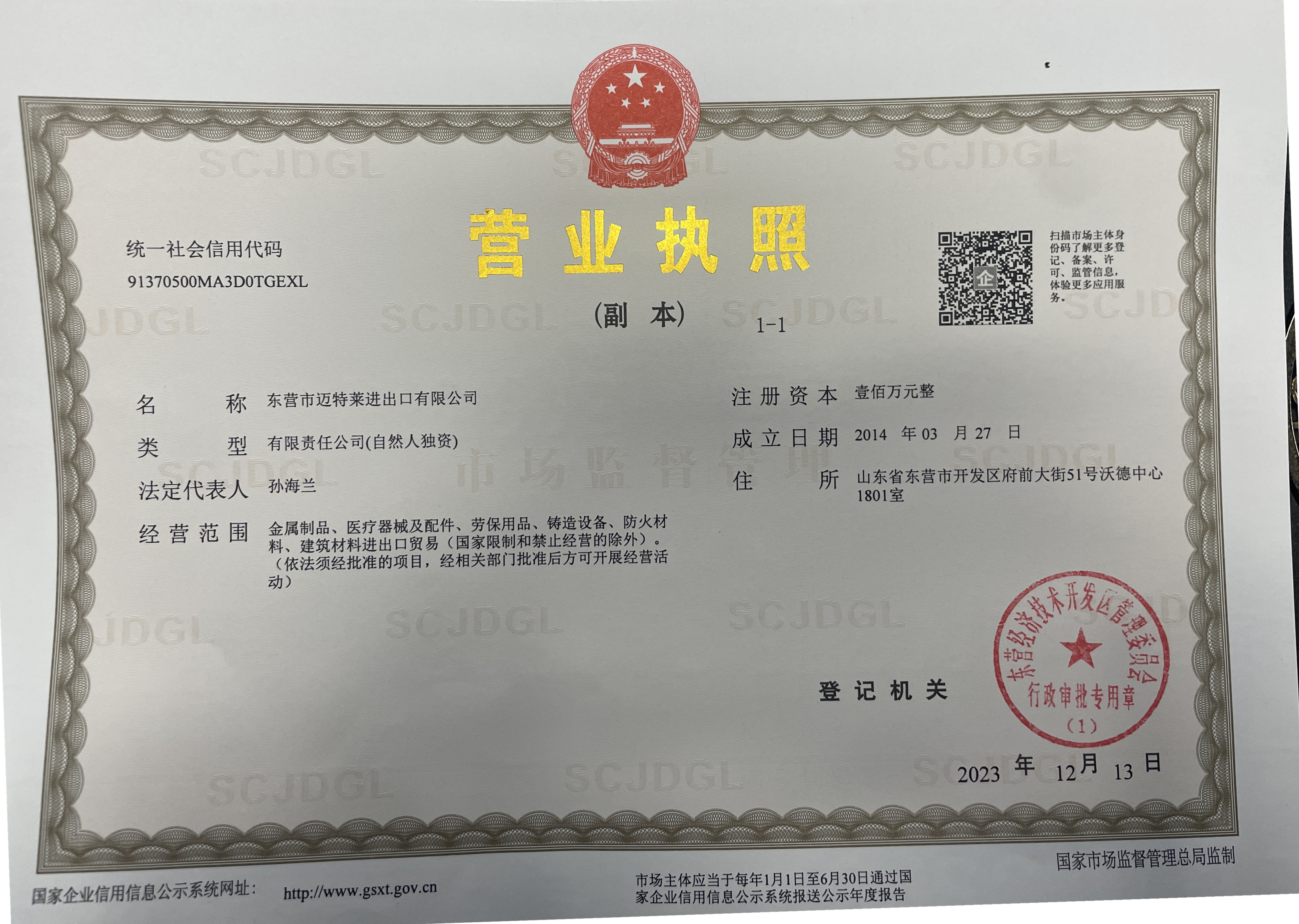
About UsMTL has been focusing on investment casting, including not only carbon steel metal components, but also stainless steel products and alloy steel products.

-
-
FactoryMTL has been focusing on investment casting, including not only carbon steel metal components, but also stainless steel products and alloy steel products.
-
NewsMTL has been focusing on investment casting, including not only carbon steel metal components, but also stainless steel products and alloy steel products.
Exploring High-Pressure Valve Castings: Essential Insights for Manufacturing and Mechanical Engineering
Oct 11,2025
High-pressure valve castings are critical components in various industrial applications, particularly in sectors that require robust and reliable valve systems. These castings are designed to withstand extreme conditions, including high pressure and temperature, making them essential in industries such as oil and gas, chemical processing, and power generation. The casting process involves pouring
The casting process involves pouring molten metal into a mold to create a specific shape. For high-pressure applications, the selection of materials is crucial. Common materials used for high-pressure valve castings include carbon steel, stainless steel, and various alloys. These materials are chosen for their strength, durability, and resistance to corrosion, ensuring that the valves can operate safely and efficiently under challenging conditions.
One of the primary advantages of using high-pressure valve castings is their ability to maintain structural integrity under significant stress. This is particularly important in applications where safety is paramount, such as in pipelines transporting hazardous materials. The design of these castings also allows for precise control over fluid flow, which is essential for maintaining operational efficiency in various processes.
Additionally, the manufacturing of high-pressure valve castings involves advanced techniques that enhance the performance of the final product. Techniques such as sand casting, investment casting, and die casting can be employed, depending on the specific requirements of the valve design. Each method has its unique benefits, such as the precision of investment casting or the cost-effectiveness of sand casting, allowing manufacturers to choose the best option for their needs.
Quality control is another critical aspect of high-pressure valve casting production. Rigorous testing, including pressure testing and non-destructive testing methods, ensures that each valve meets the stringent industry standards for performance and safety. This quality assurance not only helps prevent failures but also builds trust with end-users who rely on these components for their operations.
In conclusion, high-pressure valve castings play a vital role in the manufacturing and mechanical engineering sectors. Their ability to withstand extreme conditions, coupled with advanced manufacturing techniques and rigorous quality control measures, makes them indispensable in various applications. By understanding the key characteristics and benefits of these castings, manufacturers can make informed decisions that enhance both product reliability and operational efficiency. As industries continue to grow and evolve, the demand for high-quality valve castings will undoubtedly rise, emphasizing the importance of this critical component in modern industrial processes.

CONTACT US
Office Add:No. 51 Fuqian St., EDZ, Dongying, Shandong, 257091 China
Plant Add:No. 88 Lingzhihou St., EDZ, Gaomi, Shandong, 261500 China


POPULAR PRODUCTS
CONSULTAR
Copyright : Dongying Maitlai Import and Export Co., Ltd. Powerby : CEGLOBAL | SEO | Privacy agreement