
-
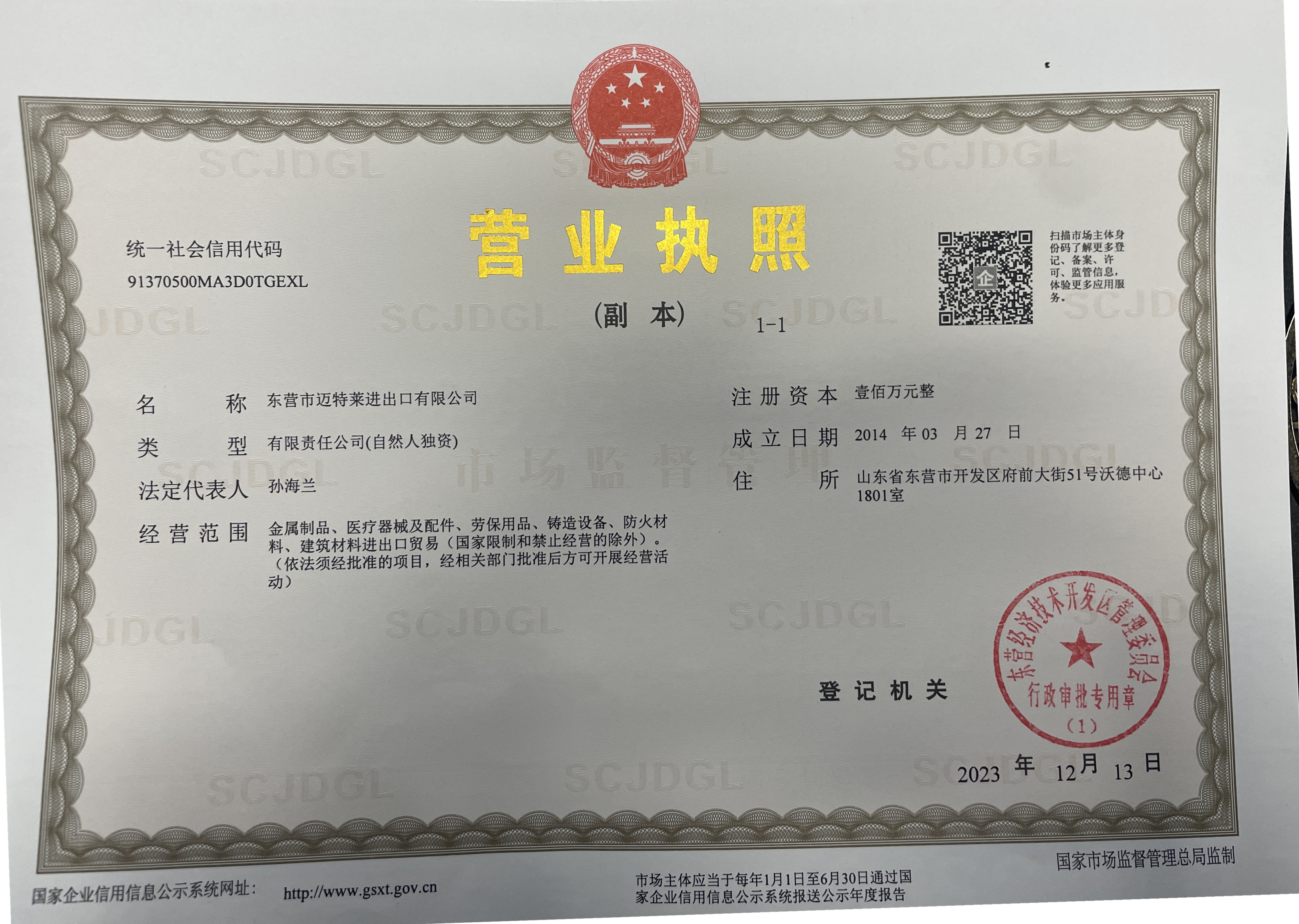
About UsMTL has been focusing on investment casting, including not only carbon steel metal components, but also stainless steel products and alloy steel products.

-
-
FactoryMTL has been focusing on investment casting, including not only carbon steel metal components, but also stainless steel products and alloy steel products.
-
NewsMTL has been focusing on investment casting, including not only carbon steel metal components, but also stainless steel products and alloy steel products.
Future-Proofing Mechanical Designs with Gate Valve Investment Castings
Oct 08,2025
Future-Proofing Mechanical Designs with Gate Valve Investment Castings Table of Contents 1. Understanding Gate Valve Investment Castings 2. The Importance of Future-Proofing Mechanical Designs 3. Benefits of Using Gate Valve Investment Castings 4. Key Applications of Gate Valve Investment Castings 4.1 Oil and Gas Industry 4.2 Water Management Systems 4.3 Chemical Processing 5. Innovations in Gate
Future-Proofing Mechanical Designs with Gate Valve Investment Castings
Table of Contents
1. Understanding Gate Valve Investment Castings
2. The Importance of Future-Proofing Mechanical Designs
3. Benefits of Using Gate Valve Investment Castings
4. Key Applications of Gate Valve Investment Castings
4.1 Oil and Gas Industry
4.2 Water Management Systems
4.3 Chemical Processing
5. Innovations in Gate Valve Investment Casting Technology
6. Comparing Traditional Casting Methods with Investment Casting
7. Best Practices for Designing with Gate Valve Investment Castings
8. FAQs about Gate Valve Investment Castings
9. Conclusion
1. Understanding Gate Valve Investment Castings
Gate valves are crucial components in various mechanical systems, designed to control the flow of fluids efficiently. Investment casting, also known as precision casting, is a manufacturing process that yields high-quality, complex shapes with minimal waste. This method uses a wax pattern coated in a ceramic shell, which, once heated, leaves a hollow cavity for molten metal. The resulting gate valve castings exhibit exceptional dimensional accuracy and surface finish, making them ideal for demanding applications.
2. The Importance of Future-Proofing Mechanical Designs
As industries evolve, so do the demands placed on mechanical systems. Future-proofing designs means anticipating changes in technology, regulations, and market conditions. By opting for gate valve investment castings, manufacturers can create products that not only meet current specifications but are also adaptable for future requirements. This adaptability ensures longevity and reduces the need for costly redesigns.
3. Benefits of Using Gate Valve Investment Castings
Gate valve investment castings offer several advantages that contribute to their increasing popularity in mechanical design:
- **Enhanced Durability**: The strength of investment castings allows them to withstand extreme conditions, including high pressure and temperature variations.
- **Design Flexibility**: The precision of the casting process enables intricate designs that might be challenging to achieve with other manufacturing methods.
- **Cost-Effectiveness**: Although initial costs may be higher, the long-term savings from reduced maintenance and extended product life are significant.
- **Reduced Waste**: Investment casting produces less scrap material compared to traditional methods, making it environmentally friendly.
4. Key Applications of Gate Valve Investment Castings
Gate valve investment castings are utilized across various industries, demonstrating their versatility and effectiveness.
4.1 Oil and Gas Industry
In the oil and gas sector, gate valves regulate the flow of crude oil and natural gas. Their reliability is crucial, as any failure can lead to catastrophic consequences. Investment castings ensure that gate valves can handle the harsh conditions often encountered in this industry, including corrosive environments and extreme pressures.
4.2 Water Management Systems
Water management systems require dependable components to ensure the consistent flow of water. Gate valves made through investment casting provide the necessary strength and reliability, enabling efficient operation in municipal water systems, irrigation, and wastewater treatment facilities.
4.3 Chemical Processing
Chemical processing plants rely on gate valves to control the flow of various chemicals safely. Investment castings can be tailored to meet specific chemical compatibility requirements, ensuring safety and efficiency in these critical applications.
5. Innovations in Gate Valve Investment Casting Technology
The field of investment casting is continually evolving, with innovations driving improvements in quality, efficiency, and sustainability. Recent advancements include:
- **3D Printing for Pattern Making**: Utilizing 3D printing technology for creating patterns allows for rapid prototyping and design iterations, significantly reducing lead times.
- **Advanced Materials**: The development of new alloys enhances the performance characteristics of gate valves, increasing their resistance to wear, corrosion, and thermal stress.
- **Automated Processes**: Automation in the casting process improves consistency and reduces human error, leading to enhanced quality control.
6. Comparing Traditional Casting Methods with Investment Casting
When evaluating casting methods, it's essential to understand the differences and advantages of investment casting over traditional methods like sand casting or die casting:
- **Precision and Detail**: Investment casting offers superior accuracy and surface finish, suitable for intricate designs.
- **Material Selection**: A broader range of materials can be used in investment casting, allowing for specialized applications.
- **Production Efficiency**: While traditional methods may have lower upfront costs, investment casting reduces the need for extensive machining, leading to lower overall production costs.
7. Best Practices for Designing with Gate Valve Investment Castings
To maximize the benefits of gate valve investment castings, designers should consider the following best practices:
1. **Collaborate Early with Casting Engineers**: Engaging with casting experts during the design phase can help identify potential issues and optimize the design for manufacturability.
2. **Focus on Simplicity**: While investment casting allows for complexity, designs should prioritize simplicity where possible, reducing potential weak points.
3. **Incorporate Tolerances Wisely**: Understanding the capabilities of the investment casting process can guide the selection of tolerances that balance performance with manufacturability.
4. **Test and Validate**: Prototyping and rigorous testing of designs can prevent costly adjustments later in the production process.
8. FAQs about Gate Valve Investment Castings
What materials are commonly used in gate valve investment castings?
Investment castings typically utilize stainless steel, carbon steel, and specialized alloys tailored for specific applications.
How does investment casting improve the durability of gate valves?
The precision of the investment casting process minimizes weaknesses and defects, resulting in stronger components capable of withstanding harsh environments.
Can investment castings be used for large-scale production?
Yes, investment casting is suitable for both small and large-scale production runs, making it versatile for various manufacturing needs.
What advancements are being made in gate valve investment casting technology?
Recent innovations include 3D printing for patterns, new material development, and automation in the casting process to enhance quality and efficiency.
How do you choose the right casting method for your project?
Selecting the appropriate casting method depends on factors such as complexity, material requirements, production volume, and cost considerations.
9. Conclusion
In the realm of mechanical design, future-proofing is not just a trend but a necessity. Gate valve investment castings provide a robust solution that meets contemporary demands while paving the way for future advancements. Their benefits—such as durability, versatility, and reduced environmental impact—make them indispensable in industries ranging from oil and gas to water management and chemical processing. As technology continues to evolve, embracing these innovations will ensure that mechanical designs remain resilient and adaptable, keeping pace with the changing landscape of industrial requirements. By prioritizing investment casting in design strategies, manufacturers can achieve greater efficiency, sustainability, and reliability in their products, ultimately securing a competitive edge in the market.

CONTACT US
Office Add:No. 51 Fuqian St., EDZ, Dongying, Shandong, 257091 China
Plant Add:No. 88 Lingzhihou St., EDZ, Gaomi, Shandong, 261500 China


POPULAR PRODUCTS
CONSULTAR
Copyright : Dongying Maitlai Import and Export Co., Ltd. Powerby : CEGLOBAL | SEO | Privacy agreement