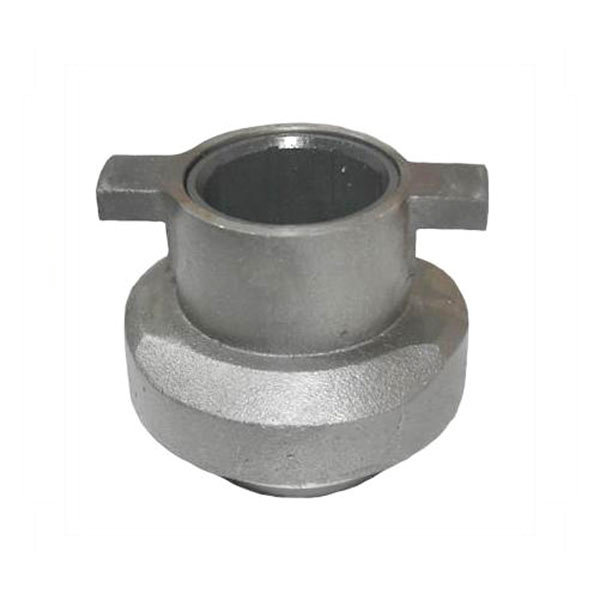
The global precision machined parts industry is experiencing robust growth as advanced manufacturing technologies, automation, and high-performance engineering requirements continue to evolve. Precision machined parts are essential components used across a wide range of industries, including aerospace, automotive, medical devices, electronics, robotics, and industrial machinery. Their ability to meet extremely tight tolerances and complex design requirements makes them indispensable in modern engineering applications.
One of the primary drivers of market expansion is the increasing demand for high-precision components in the aerospace and automotive sectors. In aerospace applications, precision machined parts are used in critical systems such as engines, landing gear, navigation systems, and structural components. These parts must withstand extreme conditions, including high pressure, temperature fluctuations, and mechanical stress, while maintaining flawless performance. Similarly, the automotive industry relies heavily on precision components for engines, transmissions, braking systems, and electric vehicle platforms, where accuracy and reliability directly impact safety and efficiency.
The rise of electric vehicles (EVs) is further accelerating demand for precision machined parts. EVs require highly specialized components for battery systems, electric drivetrains, thermal management systems, and lightweight structural parts. Manufacturers are increasingly turning to advanced machining technologies to produce lightweight yet durable components that improve energy efficiency and vehicle performance. As global EV adoption continues to grow, the need for precision engineering is expected to expand significantly.
In the medical sector, precision machined parts play a vital role in the production of surgical instruments, diagnostic equipment, implants, and laboratory devices. The healthcare industry demands extremely high standards of accuracy, biocompatibility, and reliability. CNC-machined components ensure consistency and safety in critical medical applications, where even minor deviations can have significant consequences. The growing demand for minimally invasive surgical tools and advanced medical devices is further driving innovation in this field.
Technological advancements in computer numerical control (CNC) machining have revolutionized the production of precision machined parts. Modern CNC machines offer multi-axis capabilities, high-speed operation, and automated tool changes, enabling the production of highly complex geometries with exceptional accuracy. Integration of digital design software, simulation tools, and real-time monitoring systems has further improved efficiency, reduced waste, and enhanced quality control.
Materials science is also playing an important role in the development of precision machined parts. Manufacturers are increasingly working with advanced materials such as titanium alloys, high-grade stainless steel, aluminum alloys, and engineering plastics. These materials offer a combination of strength, corrosion resistance, and lightweight properties, making them suitable for demanding applications. The ability to machine these materials with precision is a key factor in meeting industry requirements.
Customization is becoming a major trend in the precision machining industry. Customers across various sectors are seeking tailored solutions that meet specific design, performance, and environmental requirements. Manufacturers are responding by offering flexible production capabilities, rapid prototyping services, and small-batch manufacturing options. This shift toward customization allows for greater innovation and faster product development cycles.
The global market for precision machined parts is highly competitive, with strong growth observed in regions such as North America, Europe, and Asia-Pacific. Asia-Pacific, in particular, has become a major manufacturing hub due to its advanced production capabilities, cost efficiency, and strong industrial base. Countries such as China, Japan, and South Korea are leading producers of precision components, serving both domestic and international markets.
Despite strong growth, the industry faces challenges such as rising raw material costs, supply chain disruptions, and the need for highly skilled labor. Maintaining consistent quality while scaling production remains a key concern for manufacturers. In response, companies are investing in automation, artificial intelligence, and smart manufacturing technologies to improve productivity and reduce operational costs.
Looking ahead, the precision machined parts industry is expected to continue its upward trajectory as global demand for high-performance components increases. The integration of digital manufacturing, advanced materials, and automation will further enhance production capabilities. As industries continue to demand greater accuracy, efficiency, and customization, precision machined parts will remain a fundamental element of modern industrial development and technological innovation.