-
About UsMTL has been focusing on investment casting, including not only carbon steel metal components, but also stainless steel products and alloy steel products.

-
-
FactoryMTL has been focusing on investment casting, including not only carbon steel metal components, but also stainless steel products and alloy steel products.
-
NewsMTL has been focusing on investment casting, including not only carbon steel metal components, but also stainless steel products and alloy steel products.
Unlocking the Potential of Mechanical Hardware Castings in Manufacturing
Apr 29,2026
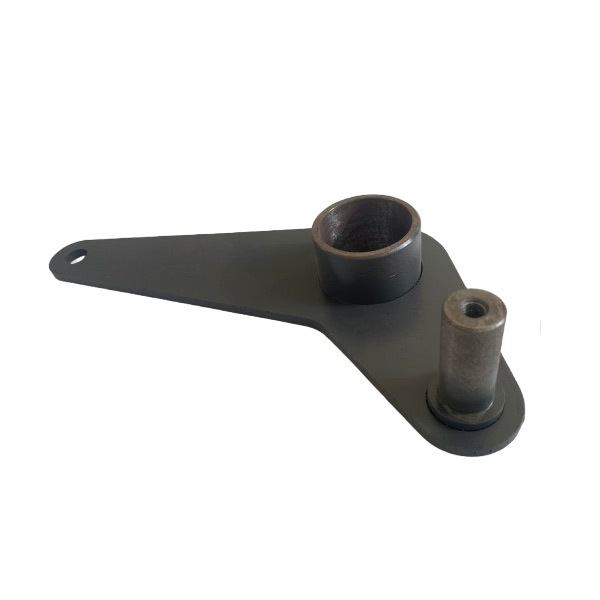
Mechanical hardware castings play a crucial role in the manufacturing sector, particularly in the fields of machining and metalworking. These castings refer to the process of pouring molten metal into a mold to create components that are essential for a variety of machines and equipment. The precision and versatility of mechanical hardware castings make them indispensable for industries such as au
One of the primary advantages of mechanical hardware castings is the ability to produce complex geometries and intricate designs that may be difficult or impossible to achieve through traditional machining methods. This flexibility allows manufacturers to create lightweight yet durable components, which is vital in achieving efficiency in modern machinery. Additionally, casting processes can accommodate a wide range of materials, including ferrous and non-ferrous metals, allowing manufacturers to select the optimal material for specific applications.
Quality control in the casting process is paramount. Implementing stringent quality assurance protocols ensures that the final products meet the required specifications and industry standards. Techniques such as non-destructive testing (NDT) can be employed to detect any internal defects in the castings, thus preventing costly failures and ensuring reliability in end-use applications.
Moreover, advancements in technology have greatly enhanced the capabilities of mechanical hardware castings. For instance, the use of 3D printing in developing casting patterns has streamlined the manufacturing process, reducing lead times and material waste. This innovative approach not only accelerates production but also allows for rapid prototyping, which is increasingly important in today's fast-paced manufacturing environment.
Collaboration among designers, engineers, and foundry experts is essential to maximize the benefits of mechanical hardware castings. Early involvement of all stakeholders in the design phase can lead to better optimization of the casting process, resulting in improved product performance and reduced costs. It is also crucial to stay updated with industry trends and technological advancements to remain competitive in the market.
In conclusion, mechanical hardware castings are a vital component in the manufacturing process, offering numerous benefits such as design flexibility, material versatility, and improved production efficiency. By understanding the intricacies of casting processes and fostering collaboration among industry professionals, manufacturers can unlock the full potential of mechanical hardware castings, ultimately leading to enhanced product quality and business success.

CONTACT US
Office Add:No. 51 Fuqian St., EDZ, Dongying, Shandong, 257091 China
Plant Add:No. 88 Lingzhihou St., EDZ, Gaomi, Shandong, 261500 China


POPULAR PRODUCTS
CONSULTAR
Copyright : Dongying Maitlai Import and Export Co., Ltd. Powerby : CEGLOBAL | SEO | Privacy agreement