
-
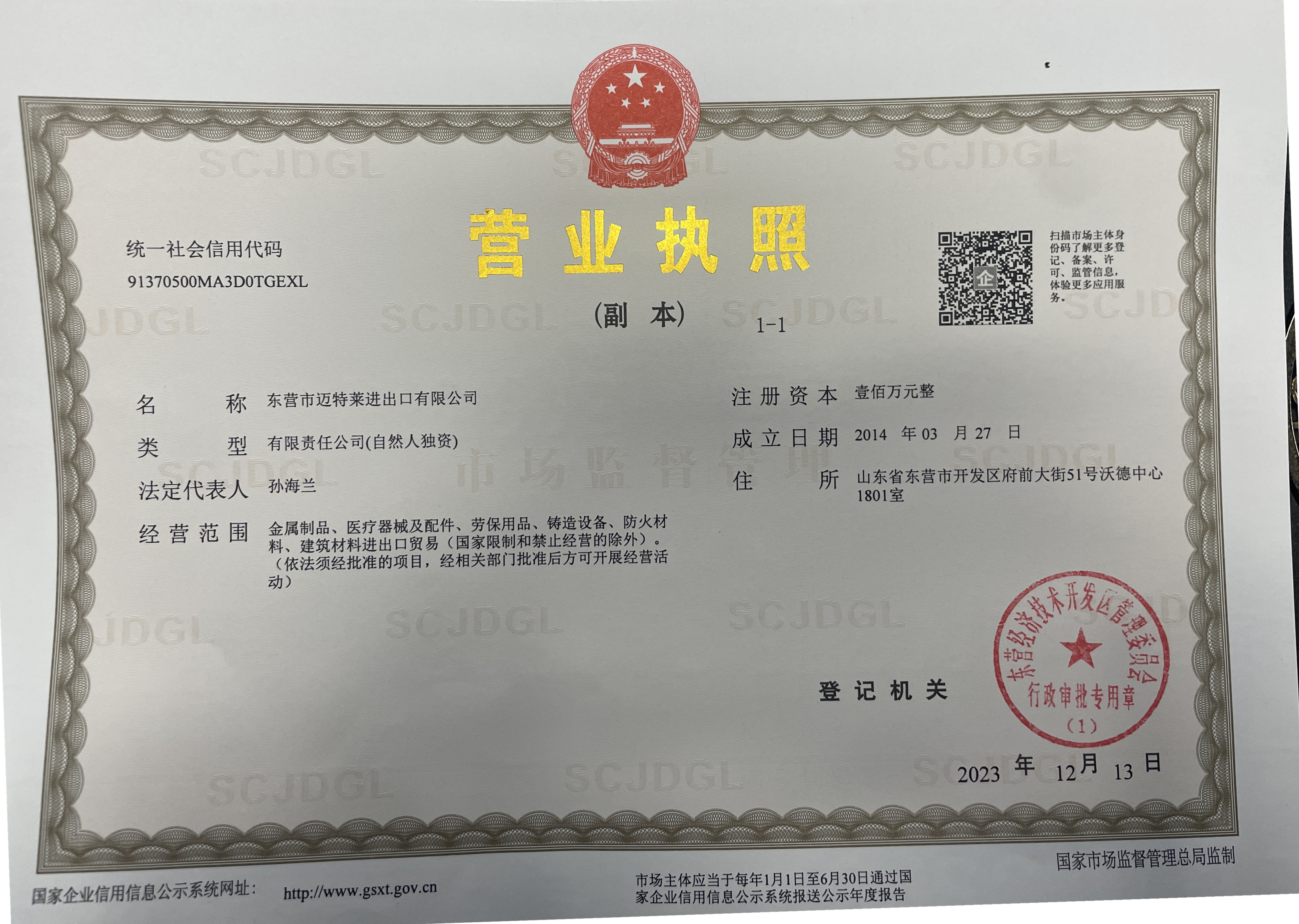
About UsMTL has been focusing on investment casting, including not only carbon steel metal components, but also stainless steel products and alloy steel products.

-
-
FactoryMTL has been focusing on investment casting, including not only carbon steel metal components, but also stainless steel products and alloy steel products.
-
NewsMTL has been focusing on investment casting, including not only carbon steel metal components, but also stainless steel products and alloy steel products.
Exploring the Manufacturing Process of High-Pressure Valve Castings: A Comprehensive Guide
Jun 07,2026
Exploring the Manufacturing Process of High-Pressure Valve Castings Table of Contents Introduction to High-Pressure Valve Castings The Importance of High-Pressure Valves in Industry The Casting Process Explained Mold Making Techniques Melting and Pouring Techniques Quality Control Measures in Casting Finishing Processes for High-P
Exploring the Manufacturing Process of High-Pressure Valve Castings
Table of Contents
- Introduction to High-Pressure Valve Castings
- The Importance of High-Pressure Valves in Industry
- The Casting Process Explained
- Quality Control Measures in Casting
- Finishing Processes for High-Pressure Valves
- Applications of High-Pressure Valve Castings
- Challenges in the Manufacturing Process
- Future Trends in Valve Casting Technology
- Frequently Asked Questions
- Conclusion
Introduction to High-Pressure Valve Castings
High-pressure valve castings play a critical role in various industries, including oil and gas, chemical processing, and water treatment. The manufacturing process for these components is complex and requires precision engineering and advanced techniques to ensure functionality under extreme conditions. This guide dissects the manufacturing process of high-pressure valve castings, shedding light on the various stages involved.
The Importance of High-Pressure Valves in Industry
High-pressure valves are vital for controlling fluid dynamics in high-stakes environments. They regulate the flow of gases and liquids in systems that experience significant pressure fluctuations. The reliability of these valves directly impacts safety, efficiency, and operational costs for industrial facilities. Understanding the manufacturing process is crucial for ensuring that these components meet stringent safety and performance standards.
The Casting Process Explained
The casting process for high-pressure valve components involves several critical steps, each demanding technical expertise and precision.
Mold Making Techniques
Mold making is the first step in the casting process. The molds must be designed to withstand high pressures and temperatures. There are several techniques for mold making:
1. **Sand Casting**: This traditional method involves creating a mold from sand mixed with a binder. It is cost-effective and suitable for low-volume production runs.
2. **Investment Casting**: Also known as lost-wax casting, this method involves creating a wax model that is coated with a ceramic material. Once the ceramic hardens, the wax is melted away, leaving a detailed mold. This technique is ideal for producing complex geometries with superior surface finishes.
3. **Die Casting**: This precision method is used for high-volume production. Molten metal is injected into a steel mold at high pressure, allowing for faster production rates and tighter tolerances.
Each method has its own set of advantages and is chosen based on factors like production volume, material properties, and cost considerations.
Melting and Pouring Techniques
Once the molds are prepared, the next phase involves melting the metal and pouring it into the molds. The choice of metal greatly influences the properties of the finished valve. Common materials include:
- **Stainless Steel**: Known for its corrosion resistance and durability, it is widely used in high-pressure applications.
- **Carbon Steel**: Offers good mechanical properties and is often used where cost is a factor.
- **Alloys**: Special alloys may be employed for specific applications requiring exceptional strength or resistance to extreme environments.
The melting process involves heating the metal until it reaches its liquid state, which typically occurs in an electric furnace or induction furnace. Pouring must be accurately controlled to prevent defects such as air pockets or uneven solidification.
Quality Control Measures in Casting
Quality control is paramount in the manufacturing of high-pressure valve castings. Several critical measures ensure that the final product meets stringent standards:
1. **Material Inspection**: Before casting, the raw materials undergo rigorous testing. This includes checking for impurities and verifying chemical compositions.
2. **Dimensional Inspection**: After casting, the dimensions of the valves are measured against specifications. Automated systems may be used for precision measurements.
3. **Non-Destructive Testing (NDT)**: Techniques such as ultrasonic testing and radiographic inspection are employed to identify internal flaws without damaging the component.
4. **Pressure Testing**: Valves are often subjected to pressure tests to ensure they can withstand operational stresses without leaking.
Adhering to these quality control measures minimizes the risk of failures and enhances the reliability of high-pressure valves in service.
Finishing Processes for High-Pressure Valves
The finishing processes for high-pressure valve castings are essential for achieving the desired performance and aesthetic qualities. Key finishing steps include:
- **Machining**: This process involves removing excess material to achieve precise dimensions and surface finishes. CNC machining is commonly used for its accuracy.
- **Surface Treatment**: Various treatments, such as shot peening or anodizing, may be applied to enhance corrosion resistance and surface durability.
- **Assembly**: For valves that consist of multiple components, careful assembly is critical. Proper sealing and alignment prevent leaks and ensure functional reliability.
These finishing processes are vital to prepare the valves for the harsh conditions they will face in operation.
Applications of High-Pressure Valve Castings
High-pressure valve castings find applications in numerous industries. Some notable examples include:
- **Oil and Gas**: High-pressure valves are crucial for controlling the flow of crude oil, natural gas, and other fluids in pipelines and processing facilities.
- **Chemical Processing**: In this sector, valves manage the flow of reactive chemicals, making safety and reliability paramount.
- **Water Treatment**: High-pressure valves are essential for regulating water supply and ensuring efficient treatment processes.
Each application demands specific valve characteristics, such as pressure tolerance, material compatibility, and operational efficiency.
Challenges in the Manufacturing Process
While the manufacturing of high-pressure valve castings presents numerous opportunities, it also comes with challenges:
- **Material Variability**: Ensuring consistent quality can be difficult due to variations in raw materials, which can affect performance and reliability.
- **Complex Designs**: As industries demand increasingly complex designs for valves, manufacturers must invest in advanced technologies and skilled labor to meet these needs.
- **Cost Management**: Balancing quality with production costs is an ongoing challenge that manufacturers must navigate to remain competitive.
By addressing these challenges, manufacturers can enhance their production processes and deliver superior products.
Future Trends in Valve Casting Technology
The future of high-pressure valve casting technology is poised for exciting advancements. Key trends include:
1. **Additive Manufacturing**: 3D printing is emerging as a viable option for creating complex valve geometries with reduced waste and shorter lead times.
2. **Smart Valves**: The integration of IoT technology is leading to the development of smart valves that can monitor performance in real-time, allowing for predictive maintenance.
3. **Sustainable Practices**: There is a growing emphasis on sustainable manufacturing practices, including the use of recycled materials and energy-efficient processes.
These trends are shaping the future landscape of high-pressure valve manufacturing, pushing the boundaries of what is possible.
Frequently Asked Questions
What materials are commonly used for high-pressure valve castings?
Stainless steel, carbon steel, and various alloys are commonly used due to their strength and resistance to corrosion.
What industries utilize high-pressure valve castings?
High-pressure valve castings are essential in oil and gas, chemical processing, water treatment, and power generation industries.
How do quality control measures impact the manufacturing process?
Quality control ensures that the final product meets safety and performance standards, reducing the risk of operational failures.
What are the benefits of using investment casting for high-pressure valves?
Investment casting allows for intricate designs and superior surface finishes, making it ideal for high-precision applications.
What trends are shaping the future of high-pressure valve manufacturing?
Trends such as additive manufacturing, smart valve technology, and sustainable practices are poised to revolutionize the industry.
Conclusion
The manufacturing process of high-pressure valve castings is a complex interplay of technology, precision, and quality control. By understanding each stage of this process, from mold making to finishing, professionals in the industry can better appreciate the intricacies involved. As advancements continue to emerge in materials and manufacturing techniques, the future of high-pressure valves looks promising, paving the way for enhanced performance and reliability across various applications. Embrace these changes to stay ahead in the competitive landscape of manufacturing high-pressure valve castings.
CONTACT US
Office Add:No. 51 Fuqian St., EDZ, Dongying, Shandong, 257091 China
Plant Add:No. 88 Lingzhihou St., EDZ, Gaomi, Shandong, 261500 China


POPULAR PRODUCTS
CONSULTAR
Copyright : Dongying Maitlai Import and Export Co., Ltd. Powerby : CEGLOBAL | SEO | Privacy agreement