-
About UsMTL has been focusing on investment casting, including not only carbon steel metal components, but also stainless steel products and alloy steel products.

-
-
FactoryMTL has been focusing on investment casting, including not only carbon steel metal components, but also stainless steel products and alloy steel products.
-
NewsMTL has been focusing on investment casting, including not only carbon steel metal components, but also stainless steel products and alloy steel products.
Unlocking the Potential of Automotive Investment Castings in Modern Manufacturing
May 23,2026
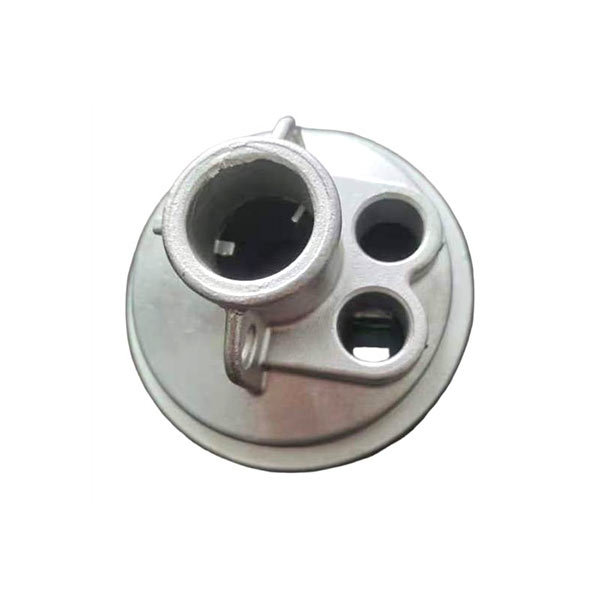
Investment casting, also known as lost-wax casting, is a highly precise method used extensively in the automotive industry. This technique involves creating a wax pattern of the desired component, which is then coated in a ceramic shell. Once the shell hardens, the wax is melted away, leaving a cavity into which molten metal is poured. The result is a high-quality component that meets stringent di
One of the primary advantages of automotive investment castings is their ability to produce intricate geometries that would be difficult or impossible to achieve with traditional manufacturing methods. This capability allows for the design of lighter and more efficient components, which is particularly crucial in the automotive sector, where weight reduction can significantly impact fuel efficiency and overall vehicle performance. Additionally, investment castings often require less post-processing, leading to reduced production times and costs.
The materials used in automotive investment casting also play a pivotal role in the industry's evolution. Common materials include aluminum, stainless steel, and various alloys, each chosen for its specific properties such as strength, corrosion resistance, and thermal stability. The flexibility in material selection enables manufacturers to tailor components to meet specific performance requirements, enhancing the durability and functionality of automotive parts.
As the automotive industry moves toward more sustainable practices, investment casting is well-positioned to support this transition. The precision of investment casting can lead to reduced waste, as more components can be manufactured from a single pour. This method also allows for the recycling of materials, helping manufacturers adhere to environmentally friendly practices.
Furthermore, advancements in technology, such as the integration of computer-aided design (CAD) and 3D printing for pattern creation, are revolutionizing the investment casting process. These technologies improve the accuracy and efficiency of the casting process, enabling rapid prototyping and faster turnaround times for new parts.
In conclusion, automotive investment castings represent a critical component of modern manufacturing in the automotive industry. Their ability to produce complex, high-quality parts with reduced waste and improved efficiency makes them an attractive option for manufacturers looking to enhance their competitive edge. As technology continues to advance and sustainability becomes increasingly important, the role of investment castings in automotive manufacturing will undoubtedly grow, offering opportunities for innovation and improved performance.
CONTACT US
Office Add:No. 51 Fuqian St., EDZ, Dongying, Shandong, 257091 China
Plant Add:No. 88 Lingzhihou St., EDZ, Gaomi, Shandong, 261500 China


POPULAR PRODUCTS
CONSULTAR
Copyright : Dongying Maitlai Import and Export Co., Ltd. Powerby : CEGLOBAL | SEO | Privacy agreement