-
About UsMTL has been focusing on investment casting, including not only carbon steel metal components, but also stainless steel products and alloy steel products.

-
-
FactoryMTL has been focusing on investment casting, including not only carbon steel metal components, but also stainless steel products and alloy steel products.
-
NewsMTL has been focusing on investment casting, including not only carbon steel metal components, but also stainless steel products and alloy steel products.
Exploring the Advantages of Automotive Investment Castings in Modern Manufacturing
Apr 11,2026
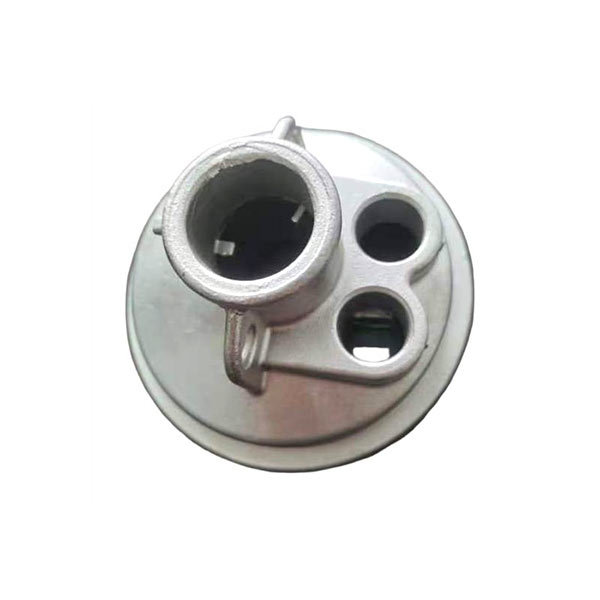
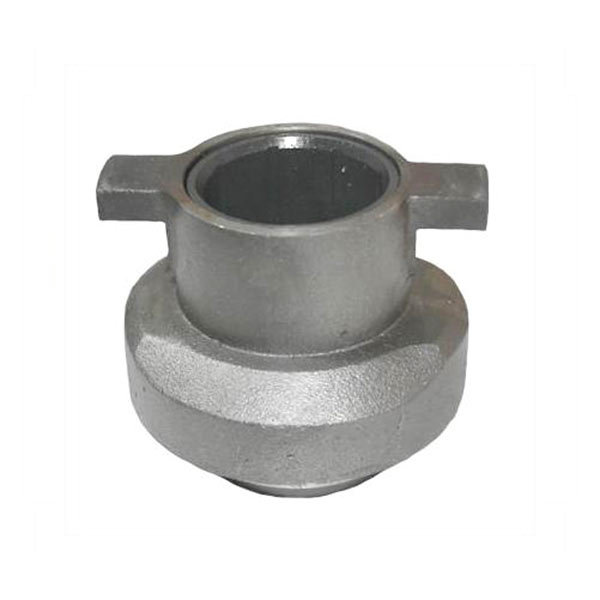
In the realm of manufacturing, particularly in the mechanical and metalworking domains, the process of automotive investment castings stands out as a pivotal technique for producing high-precision components. This method, also known as lost-wax casting, involves creating a wax model of the desired part, which is then coated with a ceramic material to create a mold. Once the mold is formed, the wax
One of the primary advantages of automotive investment castings is their ability to produce highly intricate and detailed components. This precision allows manufacturers to create parts that meet strict tolerances, which is essential for automotive applications where safety and performance are non-negotiable. Moreover, the smooth surface finish achieved through this casting method often reduces the need for extensive machining, leading to lower production costs and shorter lead times.
Another significant benefit of investment castings is their versatility in material selection. A wide array of metals, including aluminum, steel, and alloys, can be utilized to produce components that cater to diverse performance requirements. For instance, aluminum investment castings are particularly popular in the automotive sector due to their lightweight nature and resistance to corrosion, making them ideal for engine components, transmission housings, and other critical parts.
Investment castings also contribute to sustainability in manufacturing. The process generates less waste compared to traditional manufacturing methods, as the wax models can be reused, and the precision of the cast parts often minimizes the need for further processing. Additionally, the ability to produce lighter components can lead to fuel efficiency improvements in vehicles, aligning with the industry's push towards more sustainable practices.
Moreover, as the automotive industry continues to evolve with trends such as electric vehicles and advanced driver-assistance systems, the demand for innovative manufacturing techniques like automotive investment castings will only grow. By adopting this technology, manufacturers can remain competitive and responsive to the changing landscape, ensuring they meet the needs of modern vehicles while maintaining high standards of quality and efficiency.
In conclusion, automotive investment castings play a crucial role in the manufacturing of high-quality components for the automotive industry. Their precision, material versatility, sustainability benefits, and adaptability to industry trends make them an invaluable asset for manufacturers aiming to thrive in a competitive market. Understanding the intricacies and advantages of this casting method allows professionals in the field to leverage these insights for enhanced production capabilities and superior product offerings.
CONTACT US
Office Add:No. 51 Fuqian St., EDZ, Dongying, Shandong, 257091 China
Plant Add:No. 88 Lingzhihou St., EDZ, Gaomi, Shandong, 261500 China


POPULAR PRODUCTS
CONSULTAR
Copyright : Dongying Maitlai Import and Export Co., Ltd. Powerby : CEGLOBAL | SEO | Privacy agreement