
-
About UsMTL has been focusing on investment casting, including not only carbon steel metal components, but also stainless steel products and alloy steel products.

-
-
FactoryMTL has been focusing on investment casting, including not only carbon steel metal components, but also stainless steel products and alloy steel products.
-
NewsMTL has been focusing on investment casting, including not only carbon steel metal components, but also stainless steel products and alloy steel products.
Understanding Mechanical Hardware Castings: A Guide for Manufacturing Professionals
Feb 04,2026
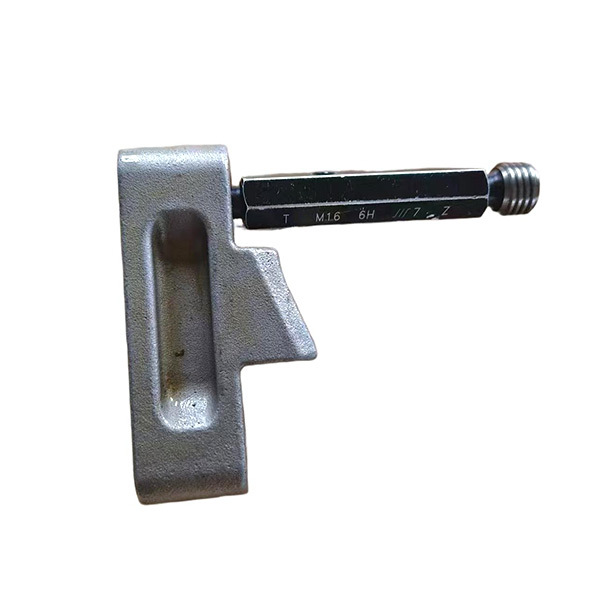
Mechanical hardware castings play a vital role in the manufacturing and machining industry, particularly in the realms of mechanical hardware processing and casting and forging. These castings are produced by pouring molten metal into molds, which then solidify to form a specific shape and structure. Understanding the intricacies of mechanical hardware castings is essential for professionals aimin
One of the primary advantages of using mechanical hardware castings is the ability to create complex geometries that are often difficult to achieve through traditional machining methods. This can significantly reduce the need for secondary operations, thereby streamlining the manufacturing process. Common materials used in mechanical castings include aluminum, iron, and various alloys, each selected based on their specific properties and the requirements of the final product.
To ensure the highest quality in mechanical hardware castings, several best practices should be adhered to. First and foremost, selecting the right mold material is crucial. Molds can be made from sand, metal, or other materials, and the choice will depend on factors such as the complexity of the design, the volume of production, and the desired surface finish.
Moreover, controlling the pouring temperature is essential to avoid defects such as shrinkage or porosity. Proper temperature management ensures that the molten metal flows smoothly into the mold, filling all cavities without trapping air or causing uneven solidification. Additionally, maintaining a consistent cooling rate can help in minimizing stress and distortion in the final casting.
Another important aspect to consider is the design of the casting. Engaging in effective design practices, such as incorporating draft angles and fillets, can enhance mold release and reduce stress concentrations. Collaboration with design engineers early in the development process can lead to better casting outcomes and minimize costs associated with redesigns.
In conclusion, mechanical hardware castings are a cornerstone of the manufacturing sector, offering both versatility and efficiency. By understanding the fundamental principles of casting processes, material selection, and design considerations, professionals in the manufacturing and machining industries can significantly enhance their operational capabilities. Continuous education and adaptation to new technologies will further ensure that your practices remain competitive in an ever-evolving market.
PREVIOUS:

CONTACT US
Office Add:No. 51 Fuqian St., EDZ, Dongying, Shandong, 257091 China
Plant Add:No. 88 Lingzhihou St., EDZ, Gaomi, Shandong, 261500 China


POPULAR PRODUCTS
CONSULTAR
Copyright : Dongying Maitlai Import and Export Co., Ltd. Powerby : CEGLOBAL | SEO | Privacy agreement