
-
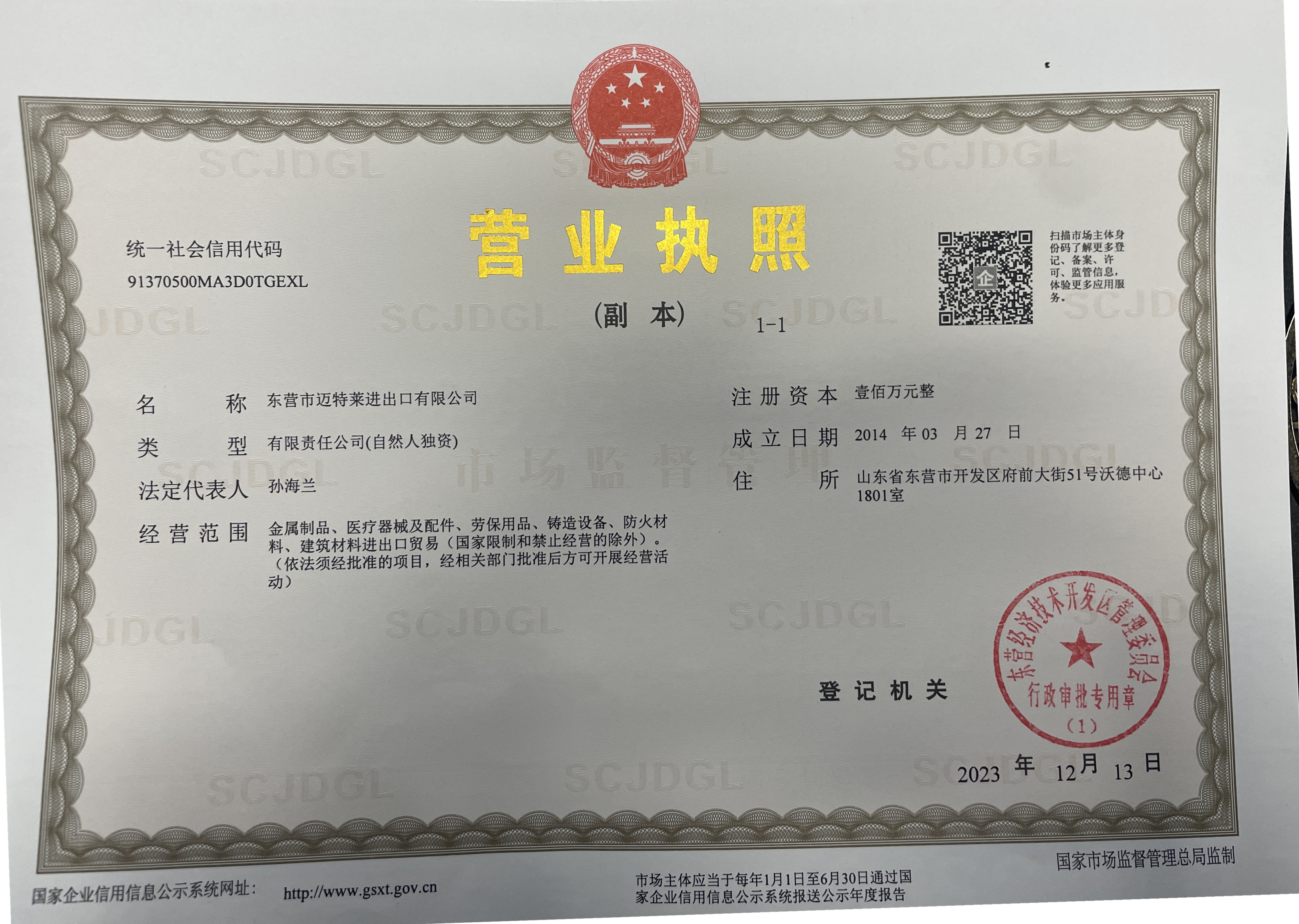
About UsMTL has been focusing on investment casting, including not only carbon steel metal components, but also stainless steel products and alloy steel products.

-
-
FactoryMTL has been focusing on investment casting, including not only carbon steel metal components, but also stainless steel products and alloy steel products.
-
NewsMTL has been focusing on investment casting, including not only carbon steel metal components, but also stainless steel products and alloy steel products.
The Critical Role of High-Pressure Valve Castings in Modern Mechanical Engineering
Feb 01,2026
The Critical Role of High-Pressure Valve Castings in Modern Mechanical Engineering Table of Contents Introduction to High-Pressure Valve Castings Understanding Valve Castings in Detail The Manufacturing Process of High-Pressure Valve Castings Melting and Pouring Techniques Cooling and Finishing Processes Applications of High-Pressure Valve
The Critical Role of High-Pressure Valve Castings in Modern Mechanical Engineering
Table of Contents
- Introduction to High-Pressure Valve Castings
- Understanding Valve Castings in Detail
- The Manufacturing Process of High-Pressure Valve Castings
- Applications of High-Pressure Valve Castings
- Benefits of High-Pressure Valve Castings
- Challenges in High-Pressure Valve Casting
- Future Trends in High-Pressure Valve Casting Technology
- Conclusion
- Frequently Asked Questions (FAQs)
Introduction to High-Pressure Valve Castings
In the realm of modern mechanical engineering, **high-pressure valve castings** play a pivotal role. These castings are integral components in various systems, ensuring that fluids under high pressure can be effectively controlled and managed. As industries evolve and demand more efficient solutions, understanding the significance of these castings becomes essential.
High-pressure valve castings are designed to withstand immense pressure and temperature fluctuations. Their primary function is to regulate the flow of liquids and gases in various applications, making them crucial in fields ranging from oil and gas to water treatment.
Understanding Valve Castings in Detail
**Valve castings** are formed through a process that involves pouring molten metal into a mold. This method creates a solid metal piece that possesses the intricate designs necessary for specific functions.
### h3>Types of Valve Castings
Common types of valve castings include:
- **Globe Valves**: These valves regulate flow and are commonly used in pipelines.
- **Ball Valves**: Known for their durability and excellent sealing capabilities, ball valves are often used in high-pressure applications.
- **Gate Valves**: These are utilized to start or stop the flow of fluids, providing minimal pressure drop.
- **Check Valves**: These ensure that the flow of fluid occurs in one direction only, preventing backflow.
Each type of valve casting has unique characteristics that dictate its application and performance in mechanical systems.
The Manufacturing Process of High-Pressure Valve Castings
The manufacturing process for high-pressure valve castings involves several intricate steps, each crucial for ensuring the final product meets industry standards.
### h3 id="melting-and-pouring">Melting and Pouring Techniques
The first step in the casting process is melting the raw materials, typically high-grade metals like steel or bronze. The metal is heated to a specific temperature, ensuring it is completely molten.
Once the metal reaches the desired viscosity, it is poured into pre-prepared molds that shape the valve according to its design specifications. Precision is key during this stage as any imperfections can lead to significant issues down the line.
### h3 id="cooling-and-finishing">Cooling and Finishing Processes
After pouring, the molds are allowed to cool. The cooling process must be carefully controlled to prevent issues such as warping or cracking. Once the metal has solidified, the castings are removed from the molds.
Post-cooling, finishing processes such as machining, grinding, and polishing are conducted to achieve the required surface finish and dimensional accuracy. This step is critical for ensuring proper sealing and functionality in high-pressure applications.
Applications of High-Pressure Valve Castings
High-pressure valve castings find their application across various industries. Their robustness and reliability make them ideal for demanding environments.
### h3 id="oil-and-gas-industry">Oil and Gas Industry
In the oil and gas sector, high-pressure valve castings are essential for managing the flow of crude oil and natural gas. These valves ensure safe operation in extraction, transportation, and refining processes.
### h3 id="water-treatment">Water Treatment Facilities
Water treatment plants utilize high-pressure valve castings to regulate the flow of treated water. These valves must withstand corrosive conditions while ensuring clean water is distributed effectively.
### h3 id="chemical-processing">Chemical Processing Plants
In chemical processing, high-pressure valve castings must handle a variety of aggressive chemicals and extreme temperatures. The ability to provide precise control over fluid flow is vital in maintaining safety and efficiency in these operations.
Benefits of High-Pressure Valve Castings
Implementing high-pressure valve castings offers several advantages, making them a preferred choice in many mechanical engineering applications.
- **Durability and Longevity**: High-quality materials and precise manufacturing processes result in valves that can withstand harsh conditions, ensuring a long operational life.
- **Enhanced Performance**: These castings provide excellent sealing capabilities, reducing leaks and improving efficiency.
- **Cost-Effectiveness**: Although initial costs may be higher, the durability and reliability of high-pressure valve castings often lead to reduced maintenance costs over time.
- **Flexibility in Design**: Manufacturers can customize valve castings to meet specific application requirements, enhancing their functionality.
Challenges in High-Pressure Valve Casting
Despite their many benefits, high-pressure valve castings are not without challenges.
- **Material Selection**: Choosing the right materials that can withstand high pressures and corrosive environments is critical and can be complex.
- **Manufacturing Precision**: Any deviation during the manufacturing process can lead to failures, making quality control essential.
- **Cost Variability**: Fluctuations in raw material prices can impact overall production costs, affecting profitability.
Addressing these challenges requires a strong focus on quality assurance and innovative manufacturing practices.
Future Trends in High-Pressure Valve Casting Technology
The future of high-pressure valve castings in mechanical engineering looks promising, with advancements in technology paving the way for improved performance and efficiency.
- **3D Printing**: Additive manufacturing is emerging as a game-changer, allowing for rapid prototyping and customized designs while reducing waste.
- **Smart Valves**: Integration of IoT technologies in valves enables real-time monitoring and automation, enhancing operational efficiency.
- **Advanced Materials**: Research into new materials, such as composites and superalloys, is ongoing to develop even more robust and lightweight valve castings.
These trends indicate a shift towards more sustainable and efficient practices in the manufacturing of high-pressure valve castings.
Conclusion
High-pressure valve castings are vital components in modern mechanical engineering, impacting various industries through their robust performance and reliability. Their unique manufacturing processes, diverse applications, and inherent benefits demonstrate their significance in today's engineering landscape. As technology continues to evolve, the future of high-pressure valve castings promises exciting advancements that will further enhance their role in the industry.
Frequently Asked Questions (FAQs)
1. What are high-pressure valve castings used for?
High-pressure valve castings are primarily used to control the flow of fluids and gases in various applications such as oil and gas, water treatment, and chemical processing.
2. How are high-pressure valve castings manufactured?
They are manufactured through a process that involves melting metal, pouring it into molds, and then cooling and finishing the castings to achieve precise specifications.
3. What materials are used in high-pressure valve castings?
Common materials include high-grade metals like steel, bronze, and other alloys that can withstand extreme pressure and corrosive environments.
4. What are the advantages of using high-pressure valve castings?
The advantages include durability, enhanced performance, cost-effectiveness, and flexibility in design, making them ideal for demanding applications.
5. What challenges are faced in the production of high-pressure valve castings?
Challenges include material selection, ensuring manufacturing precision, and managing cost variability due to fluctuating raw material prices.

CONTACT US
Office Add:No. 51 Fuqian St., EDZ, Dongying, Shandong, 257091 China
Plant Add:No. 88 Lingzhihou St., EDZ, Gaomi, Shandong, 261500 China


POPULAR PRODUCTS
CONSULTAR
Copyright : Dongying Maitlai Import and Export Co., Ltd. Powerby : CEGLOBAL | SEO | Privacy agreement