-
About UsMTL has been focusing on investment casting, including not only carbon steel metal components, but also stainless steel products and alloy steel products.

-
-
FactoryMTL has been focusing on investment casting, including not only carbon steel metal components, but also stainless steel products and alloy steel products.
-
NewsMTL has been focusing on investment casting, including not only carbon steel metal components, but also stainless steel products and alloy steel products.
Precision Casting: Advanced Manufacturing for High‑Performance Metal Components
Feb 11,2026
Precision casting, also called investment casting, is a high‑precision manufacturing process for complex metal parts. It produces near-net-shape components with excellent surface finish and tight tolerances. Suitable for steel, stainless steel, aluminum, and alloys, it enables intricate geometries, reduces machining, and supports aerospace, automotive, and industrial applications.
What Is Precision Casting
Precision casting, also known as investment casting or lost wax casting, is a specialized metal forming process that produces high‑precision, complex parts with excellent surface quality and dimensional accuracy. This method is widely used for components in aerospace, automotive, oil & gas, machinery, and valve industries. The process begins with a detailed wax model replicating the final part design. This wax pattern is coated with ceramic material to form a shell. Once the ceramic shell hardens and the wax melts away, molten metal is poured into the cavity to form the casting.
Key Advantages of Precision Casting
High Dimensional Accuracy and Surface Finish — Precision casting parts are often near net-shape, with tight dimensional tolerances and smooth surfaces, reducing the need for secondary machining.
Complex Geometry Capability — The process can produce intricate shapes, thin walls, internal passages, undercuts, and detailed features that are difficult or impossible to achieve through forging, machining, or sand casting alone.
Wide Material Versatility — A broad range of ferrous and non-ferrous alloys, including carbon steel, stainless steel, aluminum alloys, copper alloys, titanium, and superalloys, can be used to meet different mechanical, thermal, and chemical requirements.
Reduced Manufacturing Costs — Near-net shape production minimizes material waste and machining time, cutting costs and lead times for complex parts.
Precision Casting Components at MTL Castings
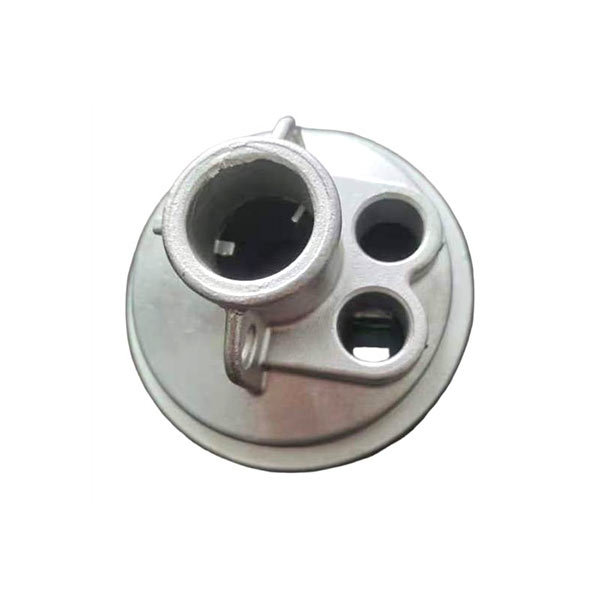
MTL Castings offers precision casting components made from stainless steel, carbon steel, aluminum, brass, and other alloys. Surface treatments include polishing, electroplating, powder coating, anodizing, and galvanization. The process supports output weights up to 100 kg per part and up to 25,000 kg total annually, with applications across shipbuilding, oil & gas, power generation, manufacturing, and automotive industries.
Precision Casting Process – Step by Step
- Design & Pattern Making — Based on the final part design, a wax pattern is created. Modern processes may use 3D-printed molds to enhance flexibility.
- Shell Building — The wax pattern is coated repeatedly with fine ceramic slurry and refractory materials to form a strong shell.
- Dewaxing — After shell hardening, the wax is melted and drained, leaving a hollow ceramic mold.
- Pouring & Casting — Molten metal is poured into the preheated ceramic shell; cooling and solidification complete the casting.
- Finishing — After shell removal, parts undergo cleaning, heat treatment (if required), machining, surface finishing, and quality inspection.
Typical Applications
Precision casting is ideal for parts with tight tolerances and complex geometries, such as valve bodies, turbine blades, automotive components, transmission housings, aerospace parts, and custom industrial hardware. Its ability to handle diverse materials and reduce secondary machining makes it a preferred choice in high-performance industries.
Challenges and Quality Control
Quality depends on mold accuracy, thermal control, and material handling. Proper process design, skilled manufacturing, and rigorous inspection are essential to ensure dimensional accuracy, defect-free surfaces, and material integrity throughout production.

CONTACT US
Office Add:No. 51 Fuqian St., EDZ, Dongying, Shandong, 257091 China
Plant Add:No. 88 Lingzhihou St., EDZ, Gaomi, Shandong, 261500 China


POPULAR PRODUCTS
CONSULTAR
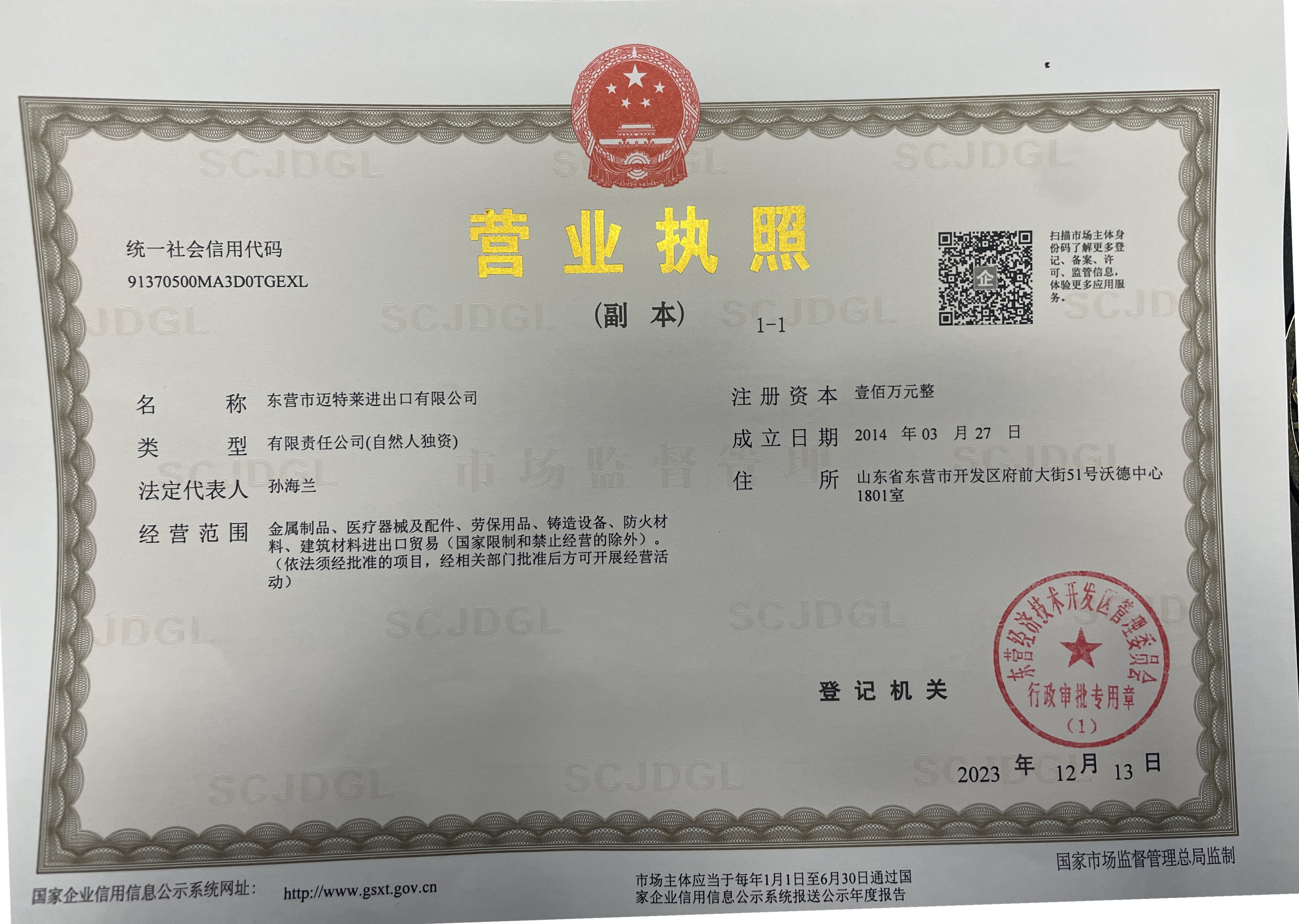
Copyright : Dongying Maitlai Import and Export Co., Ltd. Powerby : CEGLOBAL | SEO | Privacy agreement