
-
About UsMTL has been focusing on investment casting, including not only carbon steel metal components, but also stainless steel products and alloy steel products.

-
-
FactoryMTL has been focusing on investment casting, including not only carbon steel metal components, but also stainless steel products and alloy steel products.
-
NewsMTL has been focusing on investment casting, including not only carbon steel metal components, but also stainless steel products and alloy steel products.
The Essential Guide to Valve Hardware Castings in Mechanical Manufacturing
Aug 21,2026
In the manufacturing and processing industry, specifically in the realms of mechanical hardware and casting, valve hardware castings play an indispensable role. These castings are integral components found in various applications, from industrial machinery to automotive systems. Understanding the fundamentals of valve hardware castings can significantly enhance your operational efficiency and prod
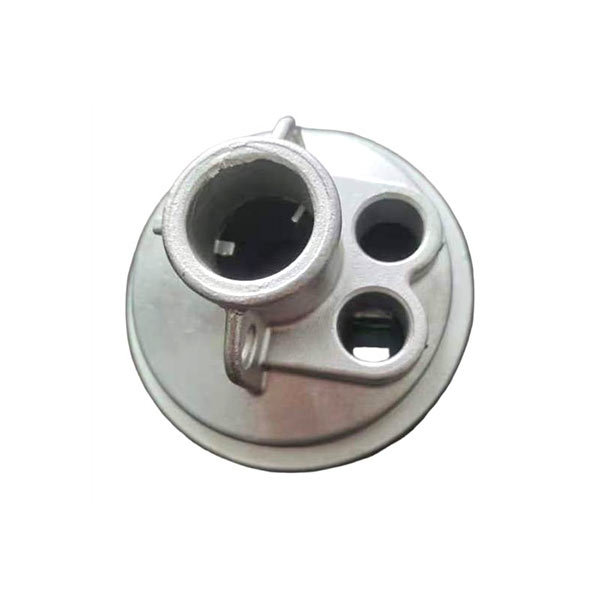
Valve hardware castings are typically produced using various metal alloys, which are selected based on the specific application requirements, such as strength, corrosion resistance, and thermal stability. Common materials for valve castings include ductile iron, cast steel, and aluminum alloys. Each material offers distinct advantages; for instance, ductile iron is known for its excellent tensile strength and wear resistance, making it suitable for heavy-duty applications.
The manufacturing process of valve hardware castings generally involves several stages: pattern making, molding, pouring, and finishing. The initial step, pattern making, involves creating a mold that reflects the exact specifications of the valve design. Accurate patterns are crucial for ensuring that the final product exhibits the desired dimensions and surface finish.
Once the patterns are prepared, they are placed in a molding material, typically sand, to create the mold cavity. After the mold is set, molten metal is poured into the cavity under controlled conditions. This step is critical, as it affects the integrity of the casting. The cooling phase follows, during which the molten metal solidifies and takes on the shape of the mold.
After cooling, the castings undergo finishing processes. These may include machining, cleaning, and surface treatment to achieve the required tolerances and surface properties. Machining is particularly important as it allows for the precise shaping of features such as valve seats and mounting surfaces, ensuring that the valves perform efficiently in their designated applications.
In terms of applications, valve hardware castings are utilized in diverse sectors, including oil and gas, water treatment, and HVAC systems. Their reliability and ability to withstand harsh operating conditions make them essential components in these industries.
As sustainability becomes a focal point in manufacturing, many companies are exploring eco-friendly practices in foundry operations. This includes the use of recycled materials and energy-efficient processes, which not only reduce waste but also improve the overall environmental impact of valve hardware castings.
In summary, valve hardware castings are a critical element in mechanical manufacturing, with their selection and production processes significantly affecting the performance and longevity of the final products. Understanding these aspects can provide professionals with a competitive edge, ensuring the delivery of high-quality, reliable components in their respective industries.

CONTACT US
Office Add:No. 51 Fuqian St., EDZ, Dongying, Shandong, 257091 China
Plant Add:No. 88 Lingzhihou St., EDZ, Gaomi, Shandong, 261500 China


POPULAR PRODUCTS
CONSULTAR
Copyright : Dongying Maitlai Import and Export Co., Ltd. Powerby : CEGLOBAL | SEO | Privacy agreement