-
About UsMTL has been focusing on investment casting, including not only carbon steel metal components, but also stainless steel products and alloy steel products.

-
-
FactoryMTL has been focusing on investment casting, including not only carbon steel metal components, but also stainless steel products and alloy steel products.
-
NewsMTL has been focusing on investment casting, including not only carbon steel metal components, but also stainless steel products and alloy steel products.
Understanding Valve Hardware Castings: Essential Insights for Manufacturing
Jan 23,2026
Valve hardware castings are an integral part of the manufacturing process, particularly in the production of various mechanical components. These castings are essential for creating valves, which play a critical role in regulating the flow of fluids and gases in numerous applications. Understanding the intricacies of valve hardware castings can provide manufacturers with significant advantages in
The process of creating valve hardware castings typically involves several key steps, starting with the design phase. Engineers must consider the specific requirements of the valve application, including pressure, temperature, and fluid type. This information informs the design of the mold and the choice of materials, which are pivotal in achieving optimal functionality and durability.
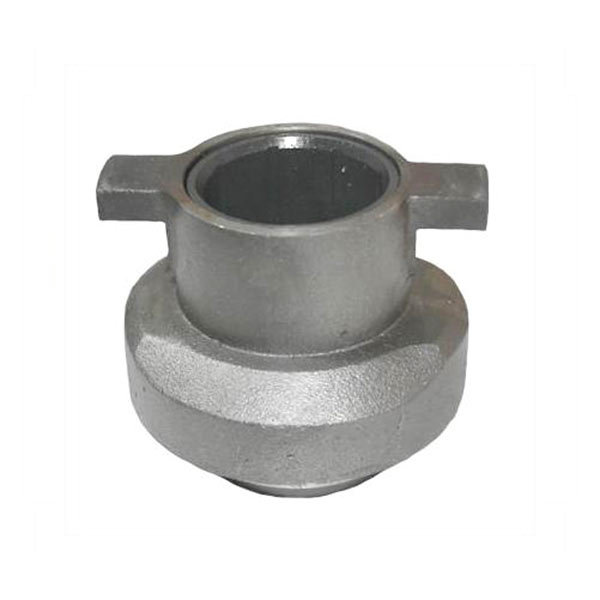
One of the primary benefits of utilizing valve hardware castings is the ability to produce complex shapes and designs that might be challenging or expensive to achieve through other manufacturing methods. The casting process allows for intricate details and precise dimensions, ensuring that the final product meets the stringent specifications often demanded in industrial applications.
Moreover, valve hardware castings can be made from a variety of materials, including ferrous and non-ferrous metals, depending on the intended application. Each material offers unique properties, such as corrosion resistance, strength, and thermal stability, which can be tailored to suit specific operational environments. This versatility is a significant advantage in industries ranging from oil and gas to water treatment and beyond.
Quality control is another critical consideration in the production of valve hardware castings. Manufacturers must implement rigorous testing and inspection protocols to ensure that the castings meet industry standards and performance criteria. Techniques such as non-destructive testing can be employed to identify any defects or irregularities that could compromise the functionality of the valves.
Additionally, sustainability has become an increasingly important aspect of the casting industry. Many manufacturers are exploring eco-friendly practices, such as using recycled materials or adopting energy-efficient processes. These efforts not only reduce the environmental impact but can also lead to cost savings and enhanced brand reputation.
In conclusion, valve hardware castings play a fundamental role in the manufacturing and machining sectors. By understanding the processes, benefits, and quality considerations associated with these castings, manufacturers can better appreciate their significance and make informed decisions that will enhance their operational efficiency and product quality. As the industry continues to evolve, staying abreast of advancements in casting technology will be paramount for achieving long-term success.

CONTACT US
Office Add:No. 51 Fuqian St., EDZ, Dongying, Shandong, 257091 China
Plant Add:No. 88 Lingzhihou St., EDZ, Gaomi, Shandong, 261500 China


POPULAR PRODUCTS
CONSULTAR
Copyright : Dongying Maitlai Import and Export Co., Ltd. Powerby : CEGLOBAL | SEO | Privacy agreement