-
About UsMTL has been focusing on investment casting, including not only carbon steel metal components, but also stainless steel products and alloy steel products.

-
-
FactoryMTL has been focusing on investment casting, including not only carbon steel metal components, but also stainless steel products and alloy steel products.
-
NewsMTL has been focusing on investment casting, including not only carbon steel metal components, but also stainless steel products and alloy steel products.
Unlocking the Potential of Automotive Investment Castings in the Manufacturing Industry
Aug 15,2026
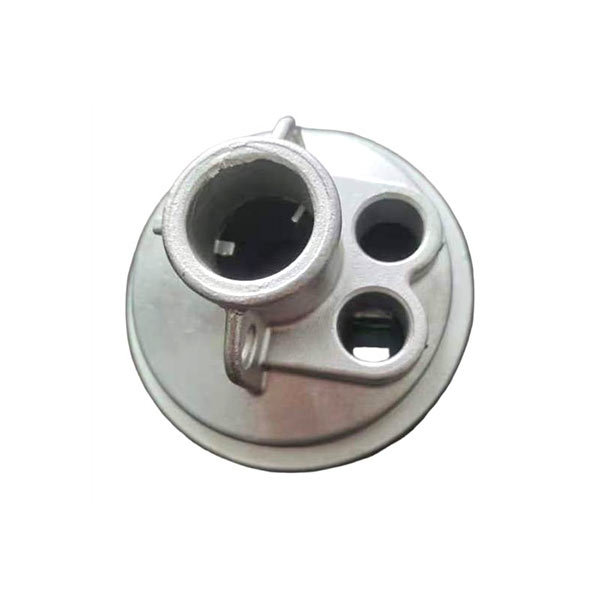
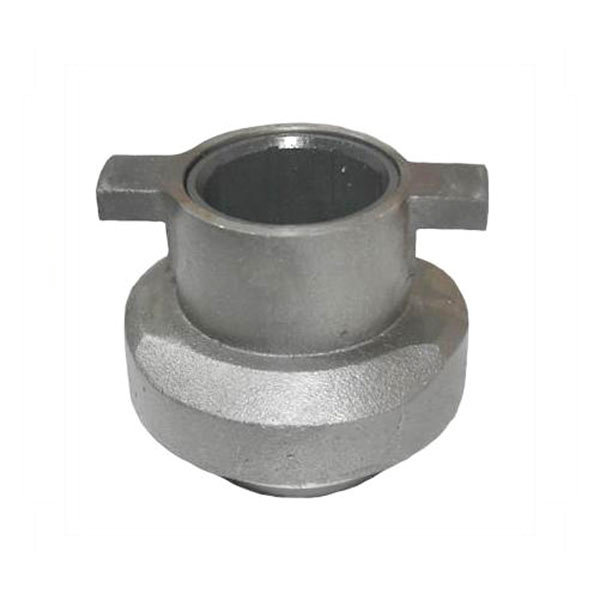
Automotive investment castings represent a pivotal technology in the manufacturing sector, particularly for precision components required in the automotive industry. This process, often referred to as lost-wax casting, allows for the creation of complex geometries that are not achievable through traditional manufacturing methods. The automotive industry has increasingly embraced this technique due
One of the primary benefits of automotive investment castings is the high level of precision they offer. The process begins with creating a wax model of the desired component, which is then coated with a ceramic material. Once the ceramic hardens, the wax is melted away, leaving a mold that perfectly captures the intricate details of the original design. This method allows for tighter tolerances compared to other casting methods, making it particularly suited for high-performance automotive applications where precision is paramount.
Another advantage is the material efficiency that investment casting provides. By using this method, manufacturers can produce components with thinner walls and less material without compromising strength. This not only reduces material costs but also contributes to lighter automotive parts, enhancing overall vehicle performance and fuel efficiency. In the competitive automotive market, reducing the weight of components is critical for meeting efficiency standards and improving the longevity of vehicles.
Additionally, automotive investment castings can utilize a wide range of alloys, including metals like aluminum, magnesium, and various steel grades. This versatility allows engineers to select materials that best suit the performance requirements of specific applications, whether that be strength, corrosion resistance, or thermal stability. Moreover, the investment casting process allows for the integration of multiple features into a single component, minimizing assembly time and potential points of failure.
The scalability of automotive investment castings also makes it appealing for both small-scale and large-scale production. Manufacturers can produce low volumes of highly specialized parts or ramp up to produce thousands of components with consistent quality. This adaptability is essential in the fast-paced automotive industry, where demand can fluctuate rapidly based on market trends and consumer preferences.
In conclusion, automotive investment castings stand out as a superior manufacturing method within the mechanical processing and casting sectors. By leveraging the precision, material efficiency, and adaptability of this technology, manufacturers can meet the ever-evolving demands of the automotive industry, ensuring both performance and reliability in their products. Understanding these advantages can empower businesses to make informed decisions about their manufacturing processes and ultimately lead to more innovative automotive solutions.
CONTACT US
Office Add:No. 51 Fuqian St., EDZ, Dongying, Shandong, 257091 China
Plant Add:No. 88 Lingzhihou St., EDZ, Gaomi, Shandong, 261500 China


POPULAR PRODUCTS
CONSULTAR
Copyright : Dongying Maitlai Import and Export Co., Ltd. Powerby : CEGLOBAL | SEO | Privacy agreement